When the body’s alarm has nowhere to go
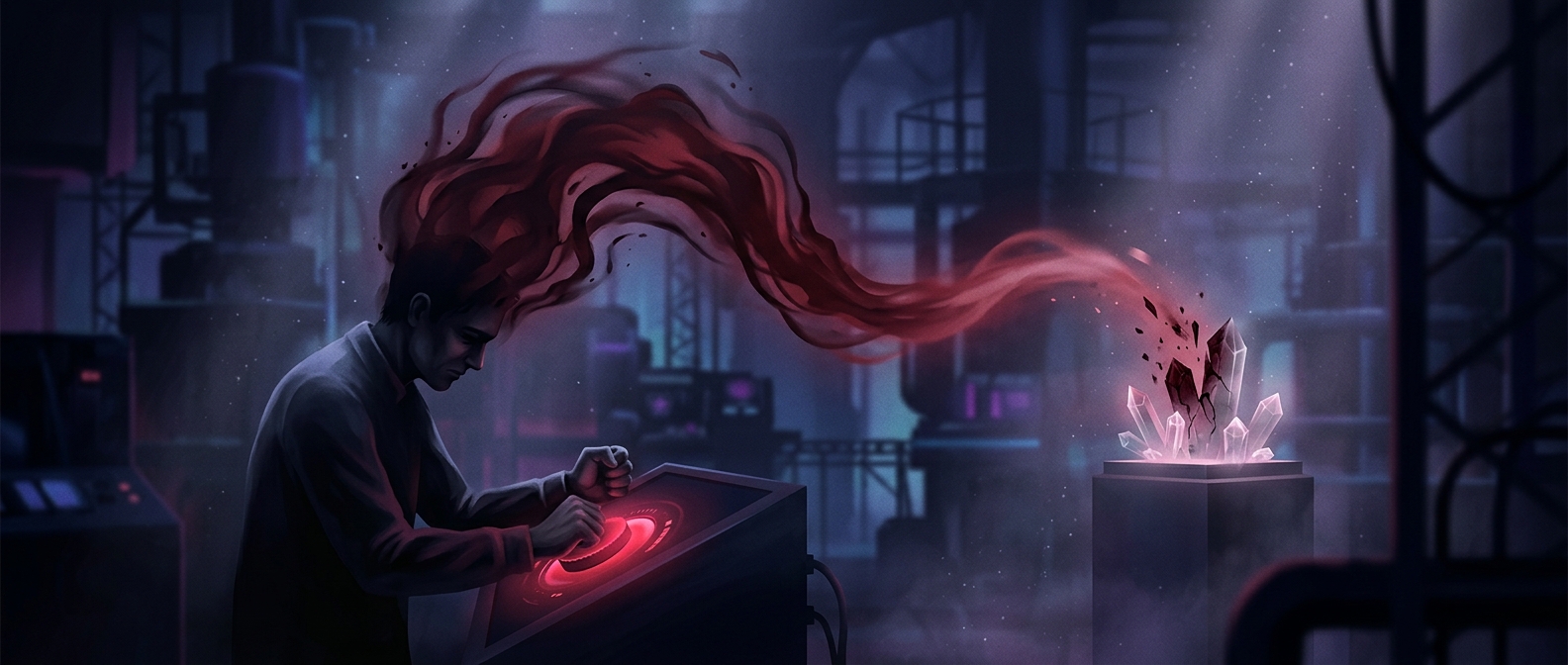
A tense encounter can set off many of the same bodily changes as excitement: faster breathing, tightened muscles, and a surge of readiness to act. Those changes are often called arousal. They prepare the body for a demanding moment, but they do not come labeled with a single emotion. The mind has to interpret what is happening—and sometimes its response does not match the situation’s social meaning.
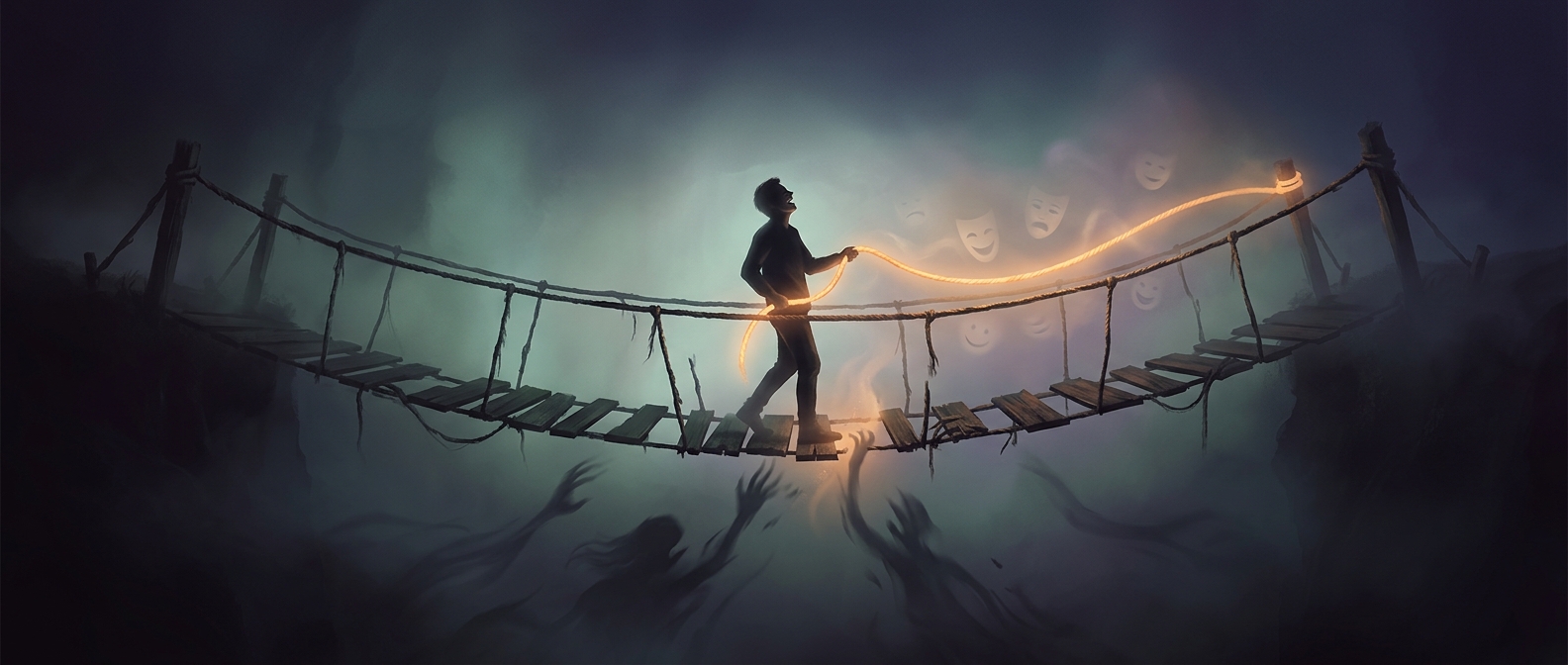
Laughter may emerge as one way of handling that excess activation. It can interrupt a rising sense of strain, much as a nervous person might fidget or speak too quickly. That does not mean the person finds a funeral or confrontation amusing. The laugh may reflect the body’s state more than a judgment about what is happening.
Why the reaction feels so out of place
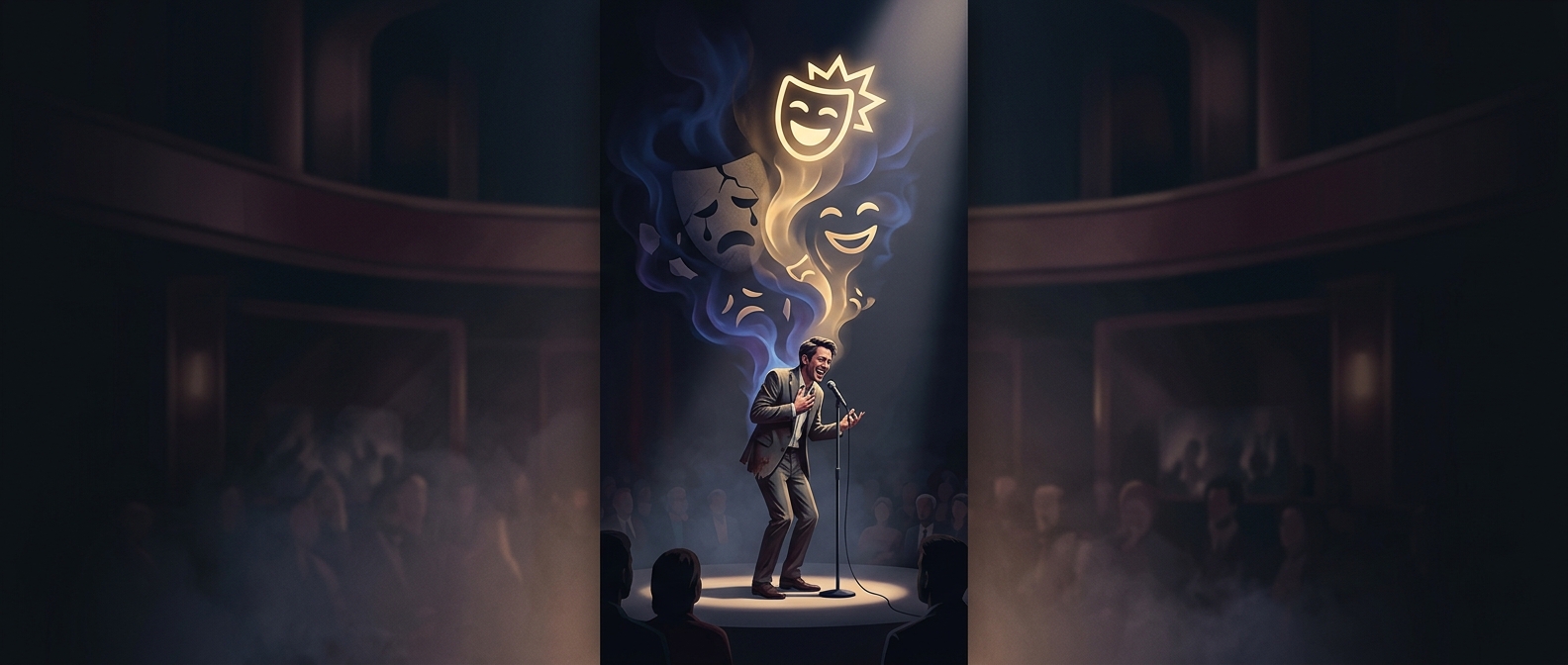
People usually expect laughter to signal amusement, so hearing it during grief or conflict creates a second jolt: the person laughing may feel confused or ashamed, while others may read the sound as disrespect. That mismatch can make the moment even more tense. Trying hard to clamp down on a laugh can also make someone more self-conscious, keeping attention fixed on the very reaction they want to stop.
A nervous laugh is therefore not a reliable guide to what someone believes or feels. In a charged moment, a person can be distressed and still laugh; the sound is an imperfect outward signal, not a verdict on the seriousness of the event. What looks like the wrong response may be the body trying to manage a difficult one.