Why anger changes targets
Anger creates pressure to act: confront, correct, or push back against whatever seems to have caused the harm. But acting on that impulse has a social cost. If the person who upset you has power over your job, reputation, or safety, your mind may register the confrontation as risky before you consciously weigh it. You may hold back—not because the anger has disappeared, but because expressing it feels too costly.
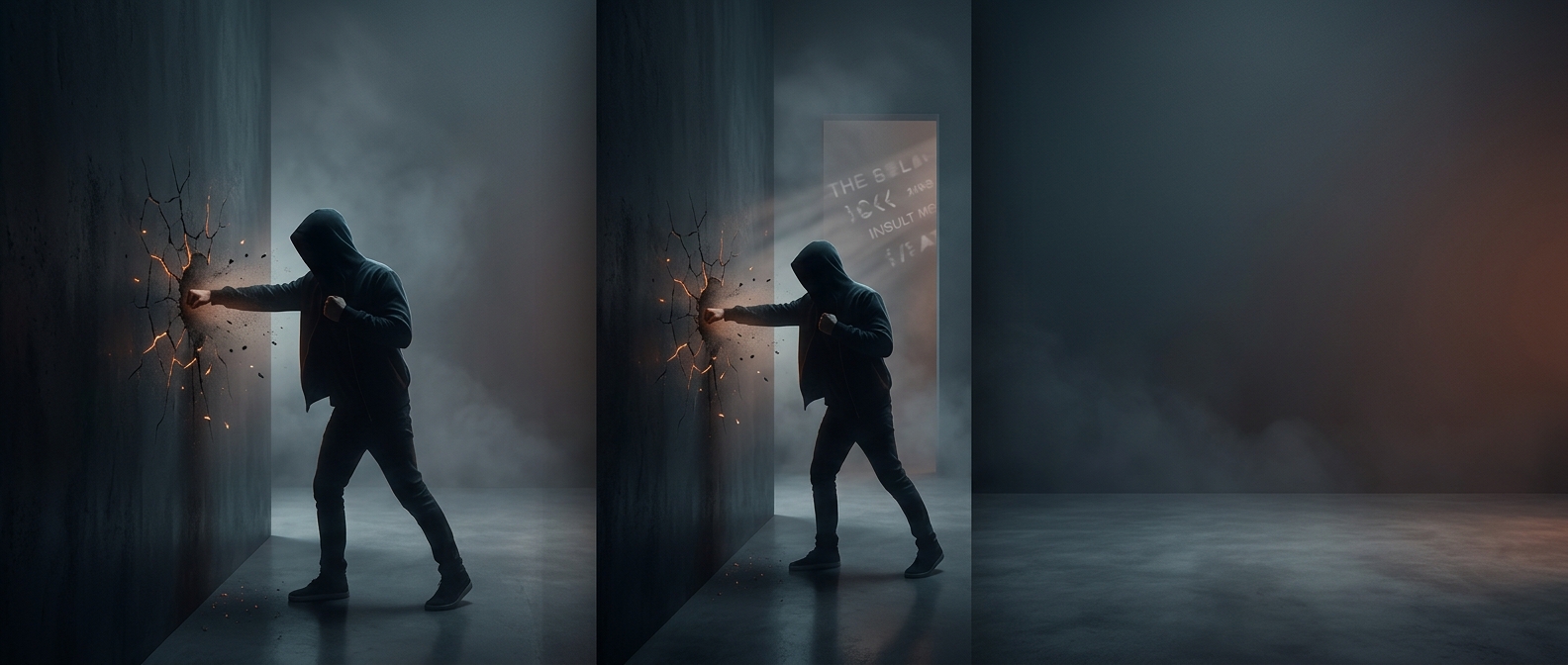
The emotion can then spill into a lower-risk interaction. A partner, child, or roommate may be nearby and unlikely to retaliate in the same way, so a minor annoyance from them becomes the occasion for a sharp response. In psychology, this pattern is often called displacement: an emotional reaction aimed at a safer substitute rather than its original source.
The trigger is not the whole cause
That does not mean the safer person truly caused the intensity of the reaction. The immediate trigger may be a forgotten errand or a small interruption, while the strength of the response reflects the earlier conflict still occupying attention and keeping the body keyed up. The mismatch—small provocation, oversized anger—is a clue that more than one moment is involved.
Redirecting anger can briefly protect someone from a risky confrontation, but it does not settle the original problem. It can also damage trust with the person who receives the outburst. Noticing the mismatch creates a useful pause: Am I reacting to what just happened, or carrying something here from somewhere else? That question may not erase the anger, but it can prevent a workday’s conflict from becoming a family member’s punishment.