When the Familiar Felt More Manageable
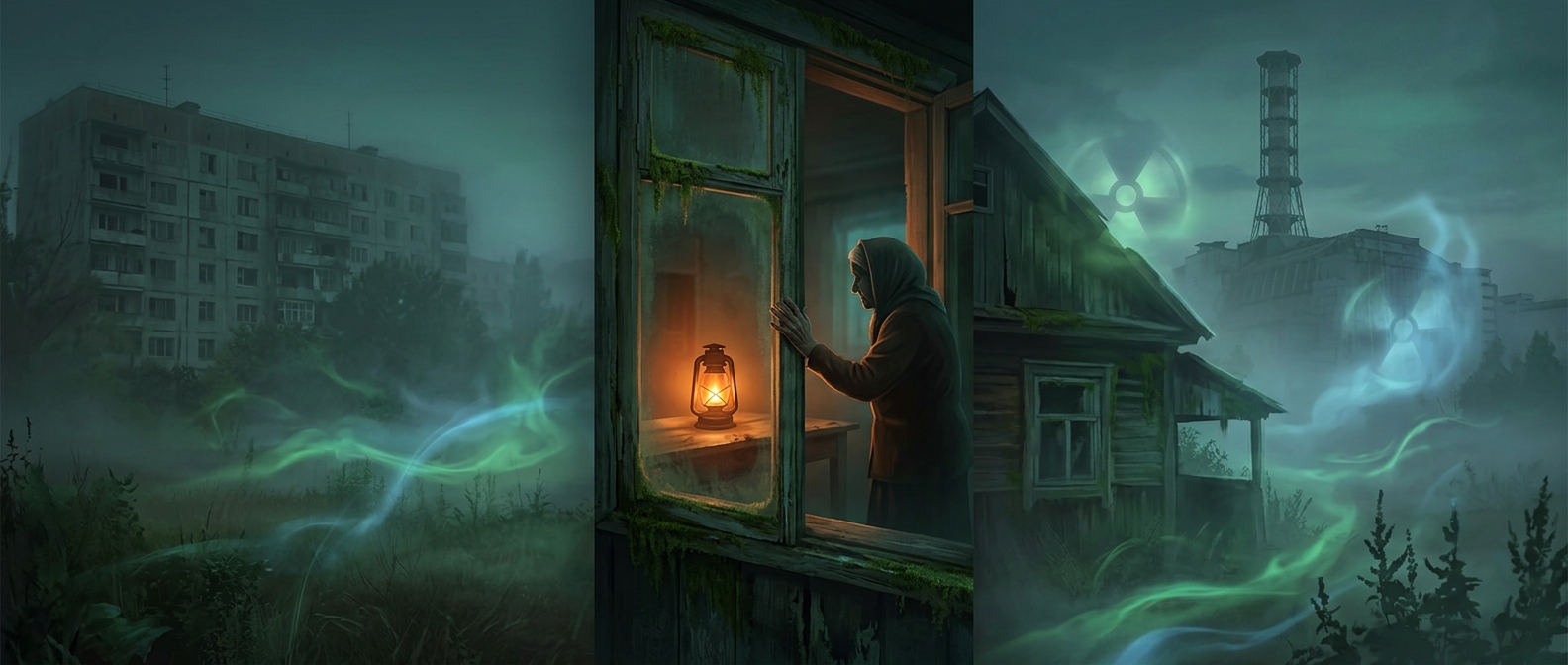
For some people evacuated after the 1986 Chernobyl disaster, returning was not simply a choice between safety and danger. It was a choice between an invisible hazard in a familiar landscape and the immediate disruption of life elsewhere. Radiation cannot be seen, smelled, or judged by ordinary daily experience, so its risks can be difficult to connect to a particular field, house, or routine. Displacement, by contrast, was concrete: familiar surroundings and social ties were gone, and ordinary decisions were being made under someone else’s rules.
That contrast can shape how people judge risk. A danger that is hard to perceive may feel less pressing than losses that are felt every day. This does not mean returnees necessarily misunderstood radiation or believed it was harmless. It means that safety is not experienced as a single number: people also weigh independence, belonging, and the costs of starting over.
Place Attachment Is More Than Nostalgia
A home carries practical knowledge as well as memories. People know how to reach neighbors, tend land, manage household tasks, and read the local seasons. That familiarity can make life feel more predictable and controllable, especially after a sudden evacuation has disrupted routines. In psychology, place attachment describes the emotional and practical bonds people form with a setting through repeated experience and relationships.
Leaving can therefore threaten a person’s sense of identity, not just remove a roof. Returning may restore some agency—the feeling of being able to direct one’s own life—even when it does not remove the physical risk. For older residents in particular, a new place could mean rebuilding daily life late in life, while the abandoned home remained a tangible connection to people and years of experience.
A Choice Shaped by Competing Harms
These decisions were personal, not a single verdict on the danger. Radiation exposure depended on where someone lived and what they did there, while the emotional and social costs of displacement also differed from person to person. The returnees’ choices show why people may accept a risk they cannot readily see when the alternative is a loss they encounter every morning: a familiar home can feel safer in the human sense, even when it is not safer in the physical one.