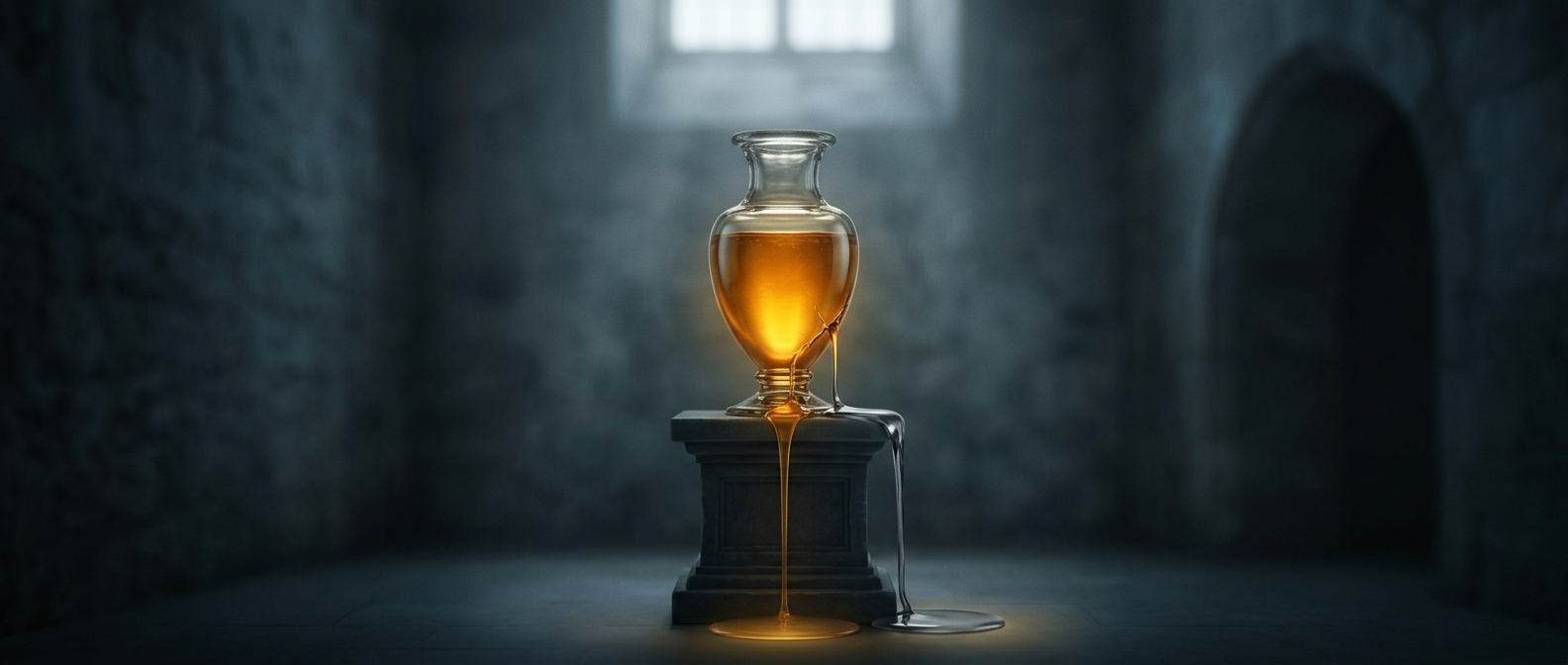
A romance measured in lunar time
The bleakness in the old explanation comes from the moon’s changing shape. It appears to grow brighter toward the full moon, then shrink from view. By comparing newlywed happiness to that cycle, the image turns a celebration into something temporary: sweetness swells, peaks, and fades.
“ Honey” supplies the sweetness; “moon” suggests a passing span of time. Together, the word can sound less like a promise of lasting bliss than a name for a brief season of pleasure. The idea was not necessarily that affection must disappear on a schedule, but that early delight—like a lunar phase—would not stay at its brightest forever.
A shadow behind the celebration
That interpretation gives the word its sting. A honeymoon is usually treated as the opening chapter of married life, but the older image makes it a distinct interval, set apart from what comes afterward. The contrast is easy to recognize: the newlyweds’ unusually intense attention to one another belongs to a beginning, while ordinary life eventually returns.
The metaphor’s quiet prediction is therefore less a verdict on marriage than a reminder about beginnings. Even the name for a couple’s sweetest stretch can imply that its glow is a phase—not the whole story.