When the brain’s filters change
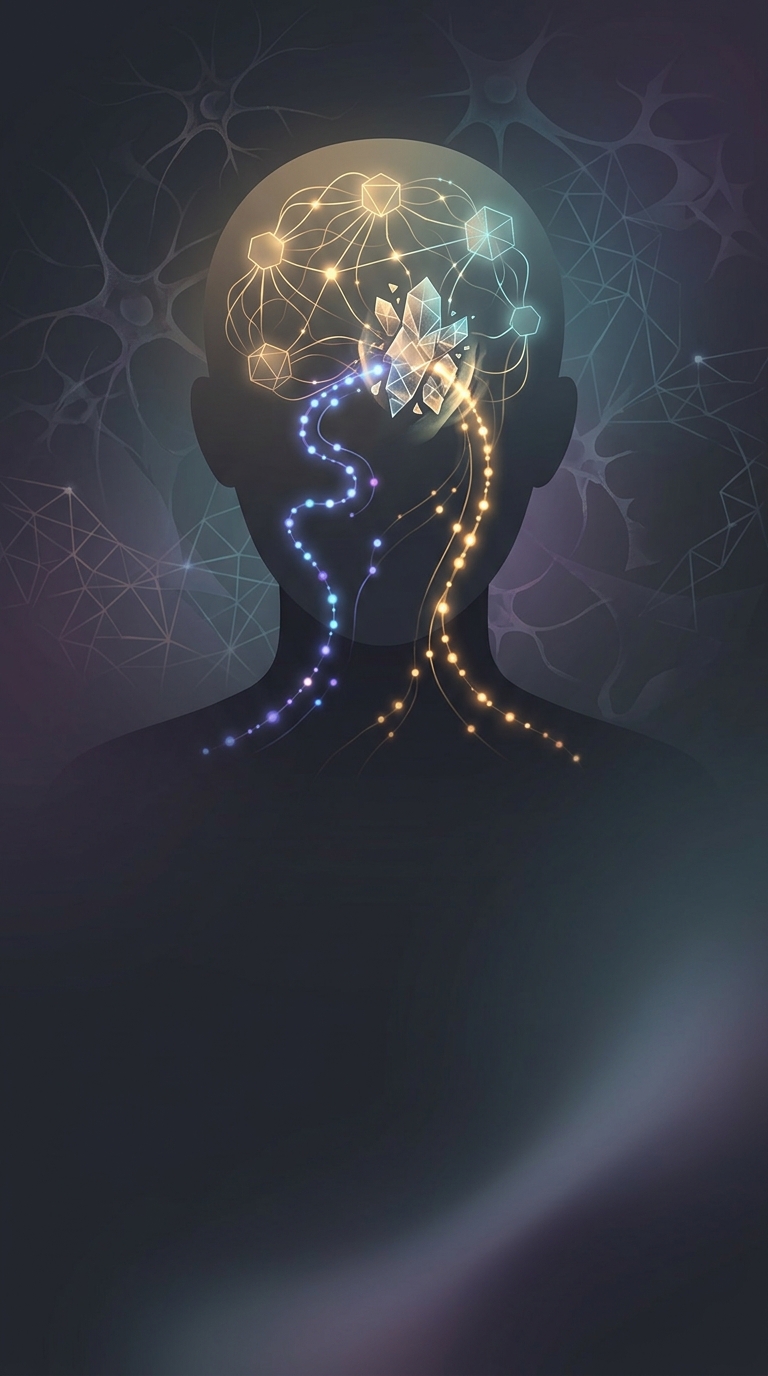
The brain does not give every incoming detail equal weight. It continually selects what deserves attention, suppressing much of the fine-grained information that would otherwise compete for awareness. After an injury, that balance can shift. Changes to networks involved in attention and inhibition—the ability to hold back a response or ignore a distraction—may allow details or patterns to stand out that once passed unnoticed.
That shift can feel like a new talent appearing all at once. A person might become intensely focused on drawing, music, or numerical patterns, and produce work with unusual precision. But heightened access to detail is not the same as a complete skill arriving fully formed: practice, prior experience, and the time spent concentrating on the activity can all matter.
A change in attention, not a brain upgrade
One proposed explanation is disinhibition: when some of the brain’s usual restraints are weakened, other information or abilities may become more prominent. The injury does not simply improve the brain; it can also disrupt memory, movement, judgment, or everyday independence. Any striking ability exists alongside those possible losses, not as compensation that makes the injury beneficial.
Researchers use the term acquired savant syndrome for rare cases in which exceptional abilities emerge after brain injury or illness. The label describes a pattern, not one settled mechanism. Different injuries affect different brain systems, so there is no single route by which trauma produces a particular talent.
The surprising consequence is that ability can depend partly on what the mind filters out: alter those filters, and something previously unnoticed may become the focus of sustained attention. That possibility is real, but it is not predictable—and it does not make brain trauma a safe path to extraordinary skill.