Familiarity Can Arrive Without a Memory
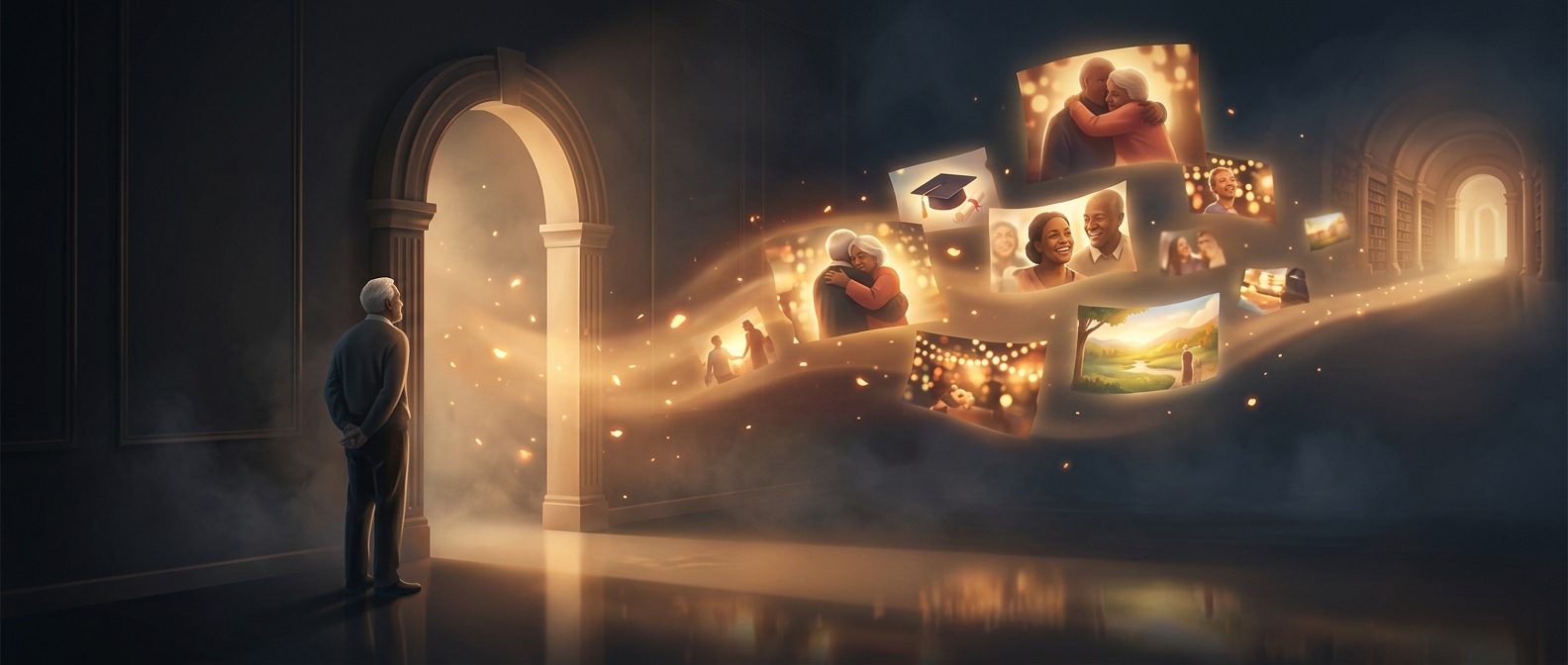
Memory is not one indivisible act. The brain can register that something feels familiar without bringing back a specific episode that explains why. Psychologists often describe these as two parts of remembering: familiarity, a general sense of recognition, and recollection, the recovery of details such as where or when an experience occurred.
Déjà vu is unsettling because the first signal appears to fire without the second. A room, conversation, or arrangement of objects seems known, but no matching event comes to mind. The feeling is real; the implied history may not be.
When a Present Scene Gets the Wrong Tag
One explanation is that the brain briefly misclassifies the current scene as familiar. Ordinary perception takes in many details at once, and those details can overlap with patterns encountered before: a layout, a phrase, or the way light falls across a room. A resemblance may be registered even when the earlier experience is too vague or inaccessible to identify.
Another possibility is a momentary timing mismatch in how the brain processes information. If one part of a scene is registered slightly out of step with another, the later processing can feel like a second encounter. These are proposed explanations, not a settled account of every episode; déjà vu is difficult to study because it is brief and usually happens unexpectedly.
Why the Feeling Can Be So Convincing
The sense of familiarity is a judgment, not a replay of the past. When it arrives strongly, the mind naturally searches for a source—yet the missing details leave that search empty. The result is a distinctive contradiction: confidence that the moment is known, paired with no memory that can justify the confidence.
That gap is what makes déjà vu more than ordinary recognition. A familiar face usually comes with clues about who it is; déjà vu can make an entire present moment feel repeated while offering nothing concrete to retrieve.