Why Your Own Chores Feel More Visible
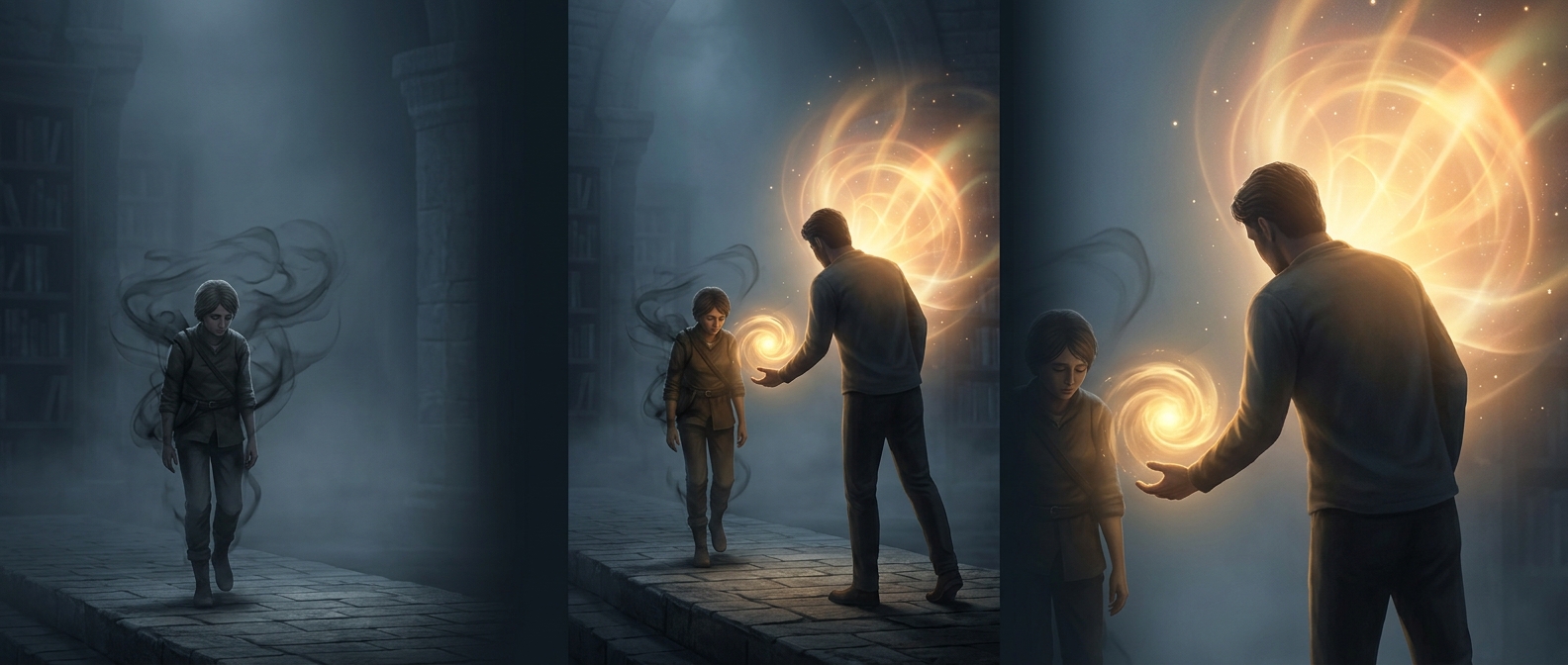
A chore leaves a different kind of memory depending on who did it. When you scrub the sink, you experience the interruption, the effort, and the time it takes. When a roommate does it, you may see only a clean sink later—if you notice the change at all. The work is vivid to the person performing it and easy for everyone else to miss.
That imbalance shapes recall. People can mentally replay their own shopping trip or laundry load, while another person’s work may never register as a distinct event. Each roommate can therefore make an honest estimate based on an incomplete record, not a deliberate attempt to claim credit.
The Hidden Work Is Hardest to Count
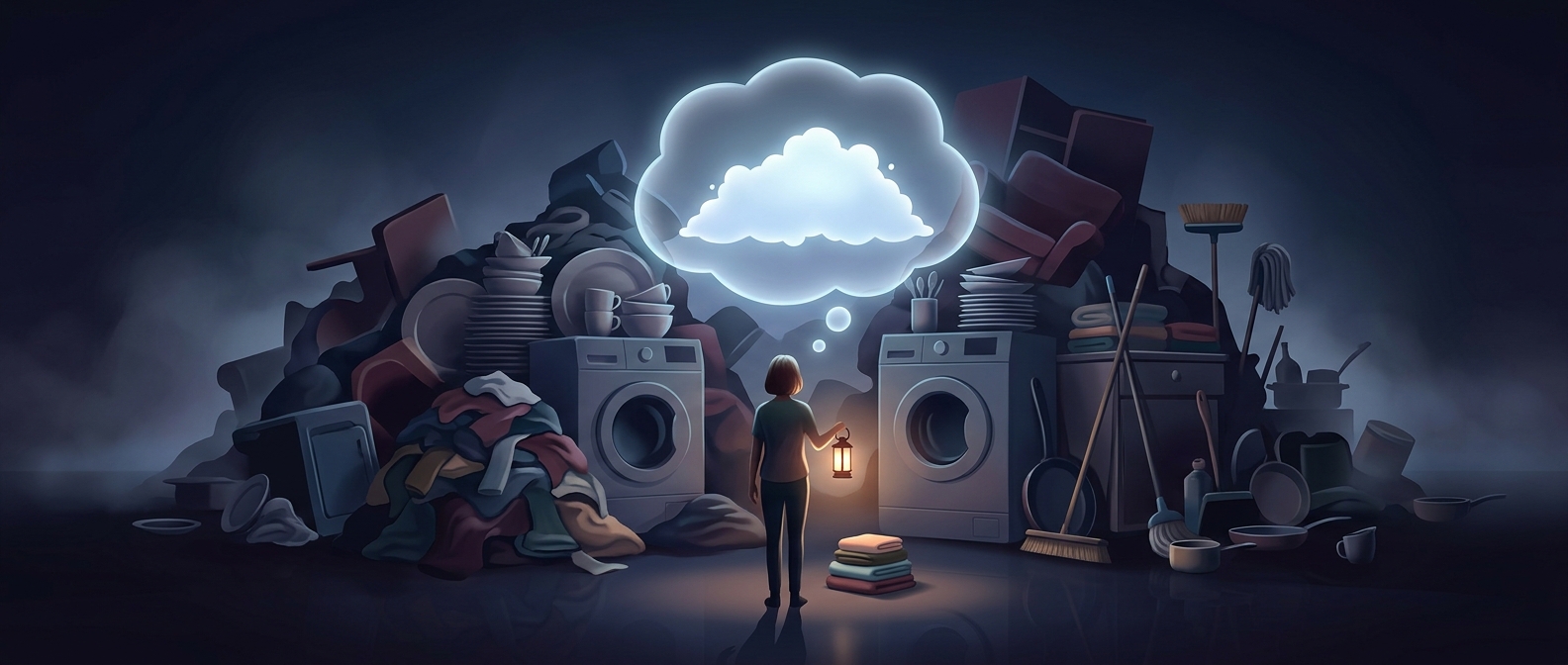
Household tasks also differ in visibility. Taking out a full trash bag is obvious; noticing that supplies are running low, remembering to buy them, and putting them away may be spread across several small steps. Planning and monitoring—often called mental load—can disappear from a tally because they do not leave a clean, visible result.
Timing adds another blind spot. One person may handle a recurring task before the other gets home, or take care of a mess before it becomes noticeable. The second person encounters the finished room, not the work that made it that way.
Why a Shared List Can Change the Argument
A list kept as chores happen gives the household a record outside either person’s memory. It can include not just obvious jobs but also recurring tasks such as tracking supplies or arranging repairs. The point is not to turn roommates into auditors; it is to make less visible work discussable before frustration hardens into competing stories.
When both people count only what they remember doing, their estimates can add up to more than the household’s actual workload. The gap often comes from the same place: each person sees their own effort from the inside and the other’s mainly through its results.