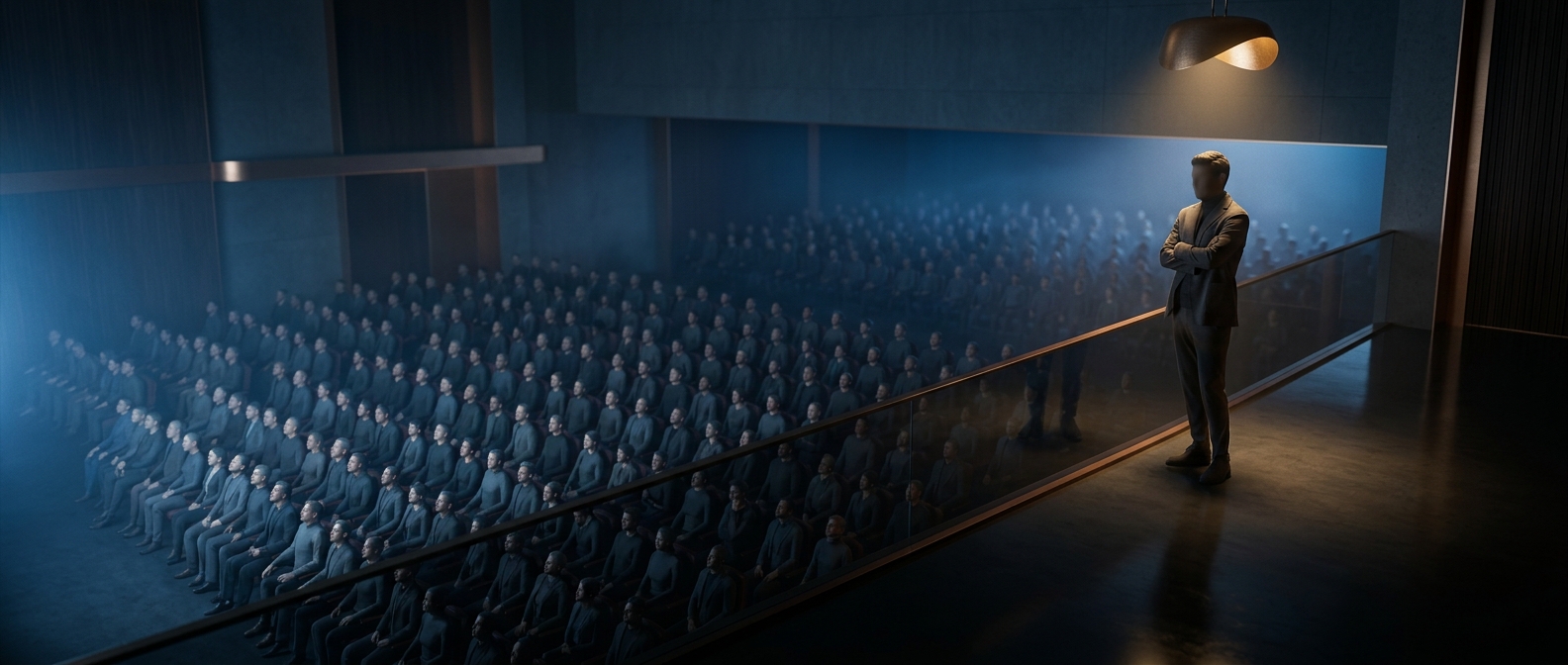
How an outfit can change the way you approach a moment
Clothing can work like a cue: it brings a familiar role, set of expectations, or memory to mind. A uniform may signal “I’m on duty”; running shoes can make a workout feel more immediate; a carefully chosen jacket may help someone feel ready to speak up. The garment does not create a new personality. It can make one way of thinking feel more available than another.
Meaning and sensation work together
Psychologists sometimes call this enclothed cognition: the idea that clothing can influence thought and behavior through both what it symbolizes and what it feels like to wear. A blazer associated with formality may prompt its wearer to attend to rules and presentation. Stiff, restrictive clothes can also make someone more aware of discomfort, while comfortable clothes may make movement easier.
The effect depends on context. The same outfit can mean different things to different people, and a uniform may feel reassuring to one person but constraining to another. What matters is not simply the fabric or cut, but the meaning the wearer attaches to it—and whether the situation reinforces that meaning.
A small cue, not a switch
Changing clothes can therefore help mark a transition: from home to work, from ordinary routine to performance, or from hesitation to preparation. It is a prompt, not a guarantee. The useful detail is that the change can begin before anyone else sees the outfit: putting on the clothes associated with a role can help bring that role’s expectations into focus.