Psychology
Discover facts about psychology. Small discoveries that change the way you see familiar things.
Psychology
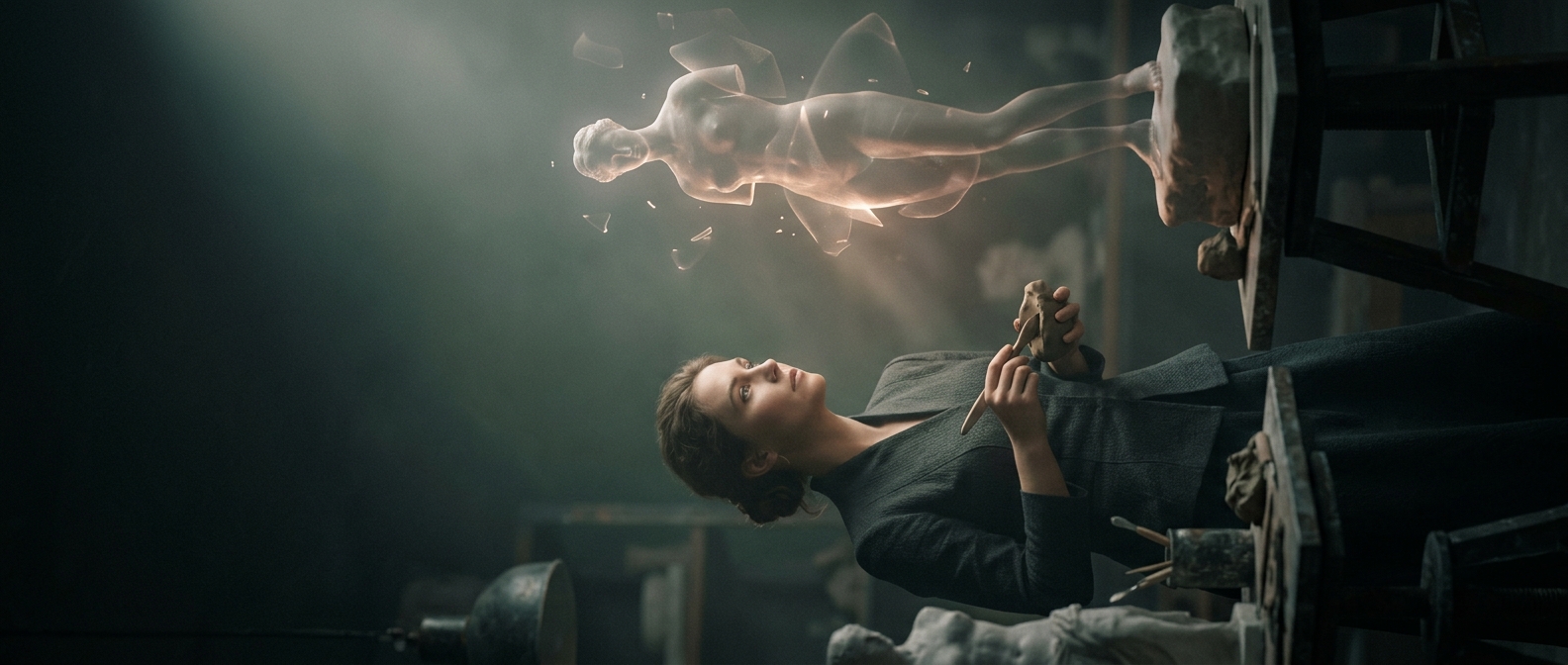
How envy can reveal what you really want
Someone else gets the job, the apartment, or the applause, and your envy points straight at the prize. That sting can reveal what you value more clearly than…
Discover more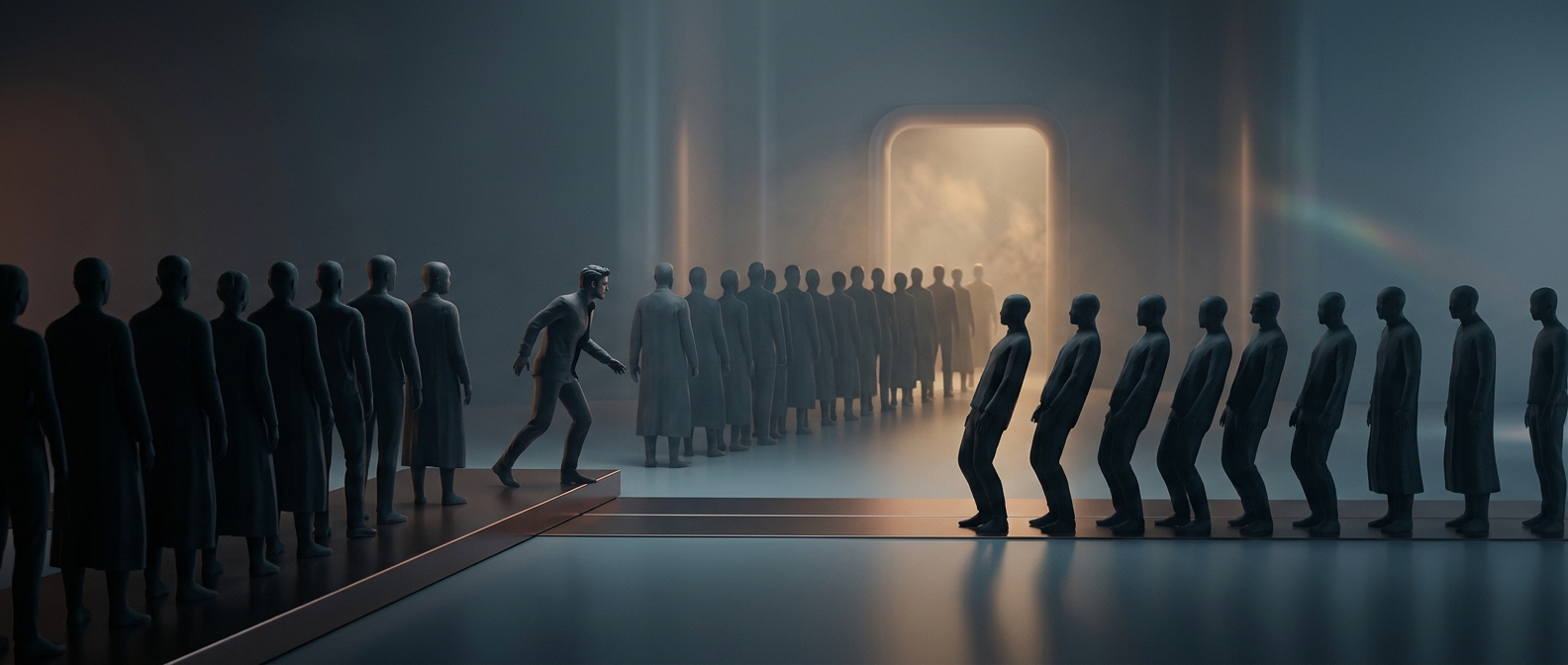
One missed click can reset an entire game lobby
A lobby depends on everyone recognizing the same moment to act. If one player misses the button, the others see no clear sign that the game is starting. Faced…
Discover more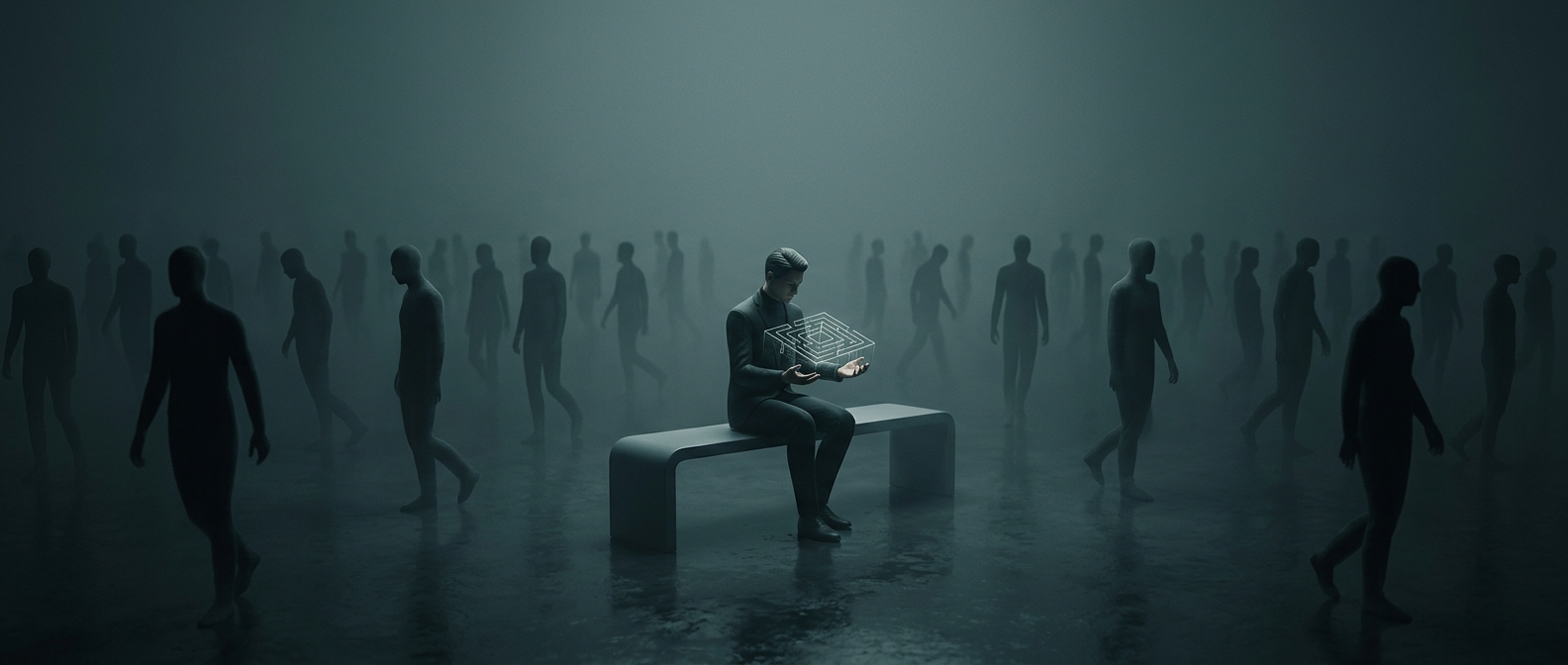
Self-discipline is a shockingly rare personality trait
Self-discipline is the trait that lets someone leave the phone in another room and finish the work. It varies from person to person, and the people who seem…
Discover more
Your original idea may have come from a movie
A scene from a film can leave behind a thought that resurfaces years later without its source attached. Memory keeps the content more easily than the…
Discover more
Fighting your own team is always vicious
When your own side turns on you, the argument carries a second sting: these are the people whose approval and support you expected. Shared goals don’t erase…
Discover more
Applying strict grammar rules to irregular verbs
Irregular verbs are exceptions, and exceptions are hard to learn because they do not fit the rule. A child may say “goed” because the mind has built a…
Discover more STACKY FOR IPHONE
A bigger world.
One discovery
at a time.
Keep discovering with Stacky. Interesting facts in an app that is always within reach.

A dream about losing teeth may start in your jaw
In a study of 210 students, teeth-loss dreams were associated with waking tension in teeth, gums, or jaws. The researchers proposed that sleeping minds can…
Discover more
Increasing the number of choices logarithmically increases the time needed to make a decision
Choosing among options takes longer as the menu grows, but not one extra beat for every extra item. Your mind can narrow choices through successive…
Discover more
Needing to finish the entire chapter
“One more chapter” often feels easier than “stop in the middle” because a chapter is a ready-made unit of progress. Reaching its end gives a small sense of…
Discover more
A typo can change how you judge someone you have never met
In a University of Michigan experiment, people rated a potential housemate after reading an email containing different kinds of errors. Their reactions varied…
Discover more
Why men use humor to attract dates
A joke can show more than a man’s sense of humor: it can signal quick thinking, confidence, and an ability to read the room. If the other person laughs, the…
Discover more
Why older people may remember the good times best
An older person remembering a family dinner may linger on the laughter and let the awkward silence fade. With age, people often prioritize emotional…
Discover more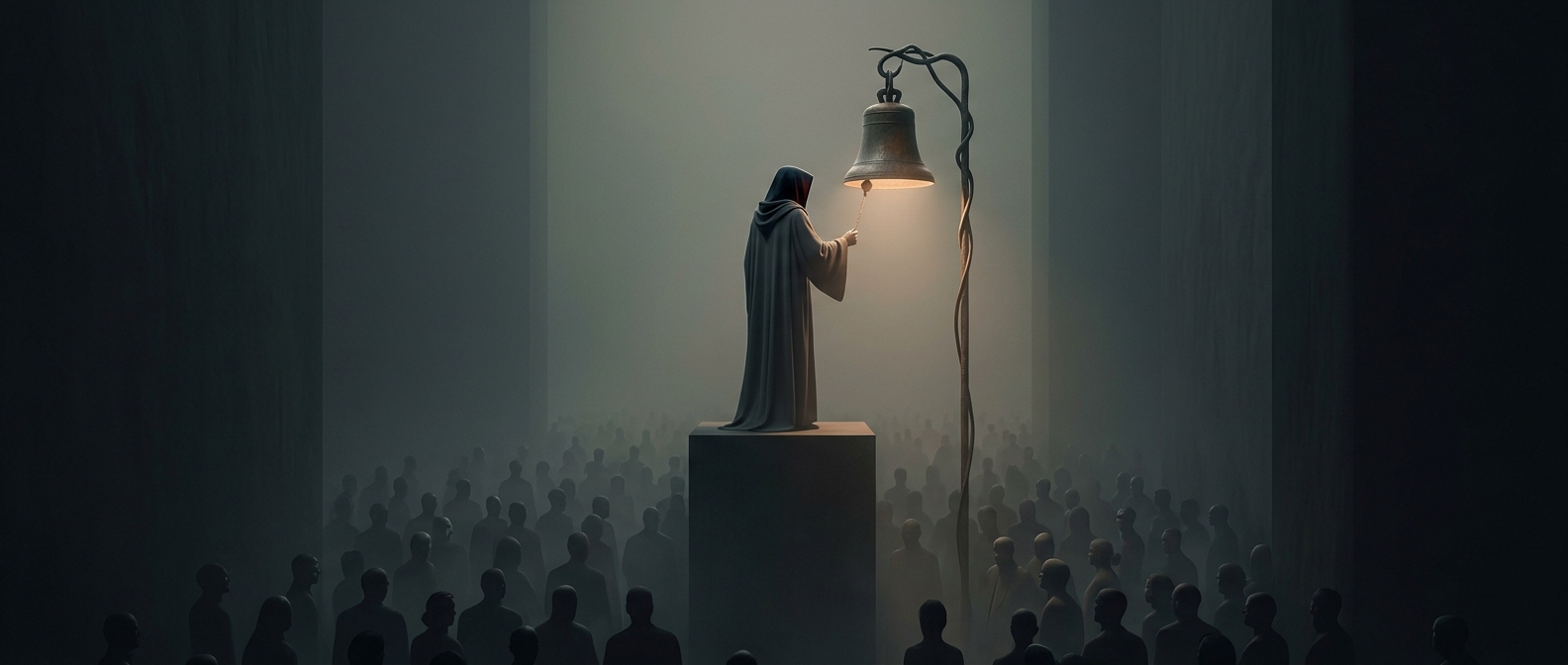
Why extremists think everyone secretly agrees with them
When people mostly hear from others who share their views, their own side starts to look bigger than it is. Meanwhile, people who disagree may stay quiet,…
Discover more
Why singing loudly may calm a panic response
Singing gives a panicked mind a job: follow the tune, find the words, keep the breath moving. The long, controlled phrases can also slow hurried breathing.…
Discover more
Why people choose partners like themselves
A partner who shares your habits or outlook can feel easier to read and easier to imagine building a life with. Similarity offers familiar cues and fewer…
Discover more
Preferring a flawless small item over a massive damaged one
A tiny flawless dessert can beat a giant dessert with a bite missing when you judge each one on its own. The defect grabs attention and becomes a shortcut for…
Discover more
Why fewer tools can spark better ideas
When every tool is available, it is easy to reach for the obvious one. Take options away and you have to study what is actually in front of you: how could…
Discover more
Why juicy rumors hold social groups together
Rumors can bind a group because passing one along signals that you’re part of the circle. People compare what they’ve heard, work out whom to believe, and…
Discover more
Why harsh punishment can teach children to lie
If telling the truth brings a child a harsher punishment than hiding it, the lesson is practical: conceal the next mistake. Severe consequences make honesty…
Discover more
Why billionaire advice leaves out the failures
Success stories are visible; the failed versions of the same strategy often disappear. So advice from a billionaire can turn luck, timing, and a crowded field…
Discover more
Naked in public dreams heavily correlate to exposure
The panic in a naked-in-public dream isn’t really about clothes; it’s about being seen without protection. Dreams can borrow that blunt image when someone…
Discover more
Why singing in the car can ease stress
Singing makes you control your breathing: you take a breath, then stretch it across a phrase instead of panting through one. That steady rhythm can help the…
Discover more
Selfie-heavy social feeds may signal shallow relationships
When a social feed is mostly selfies, it offers plenty of evidence about someone’s image and little about the give-and-take between friends. That can be a…
Discover more
Why people tour cemeteries far from home
Cemeteries offer a rare way to approach the past at human scale: one grave, one name, one life. Traveling to visit them can satisfy curiosity about a famous…
Discover more