How an old scene can feel like a new idea
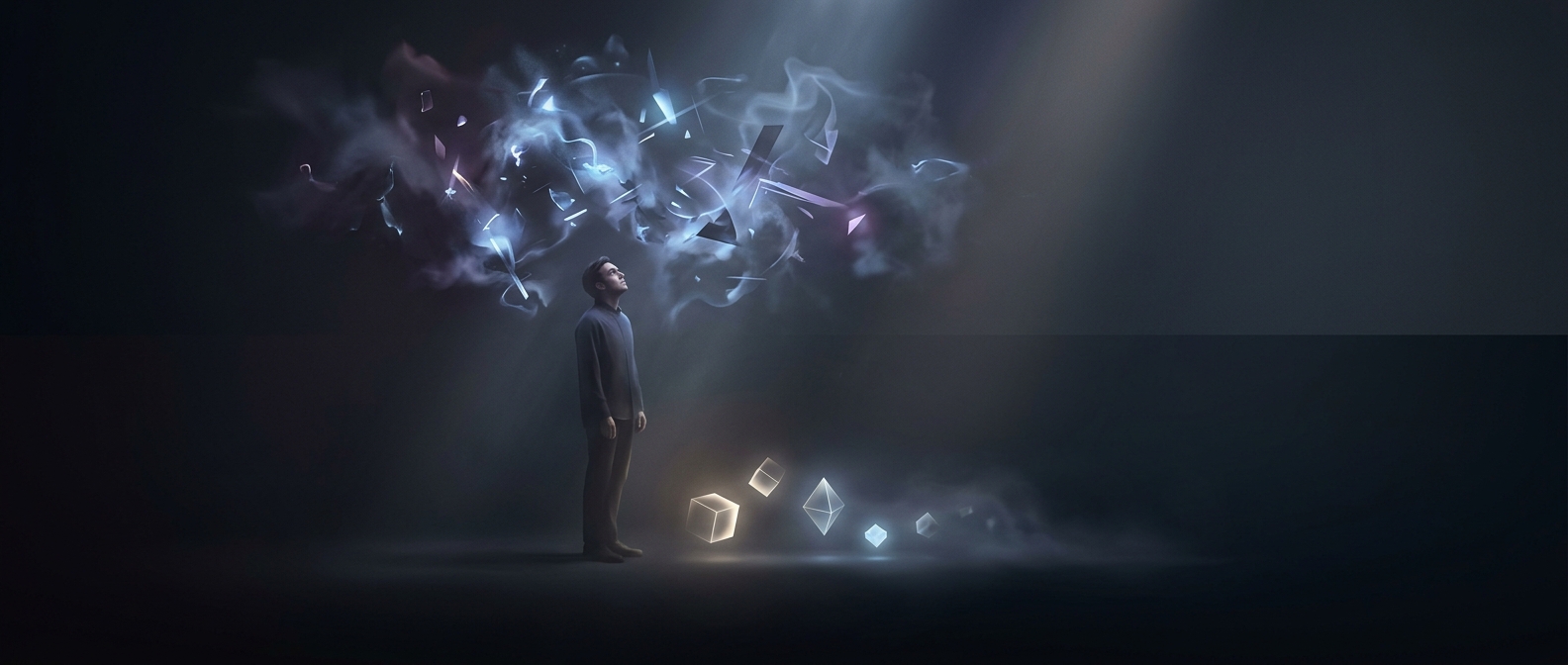
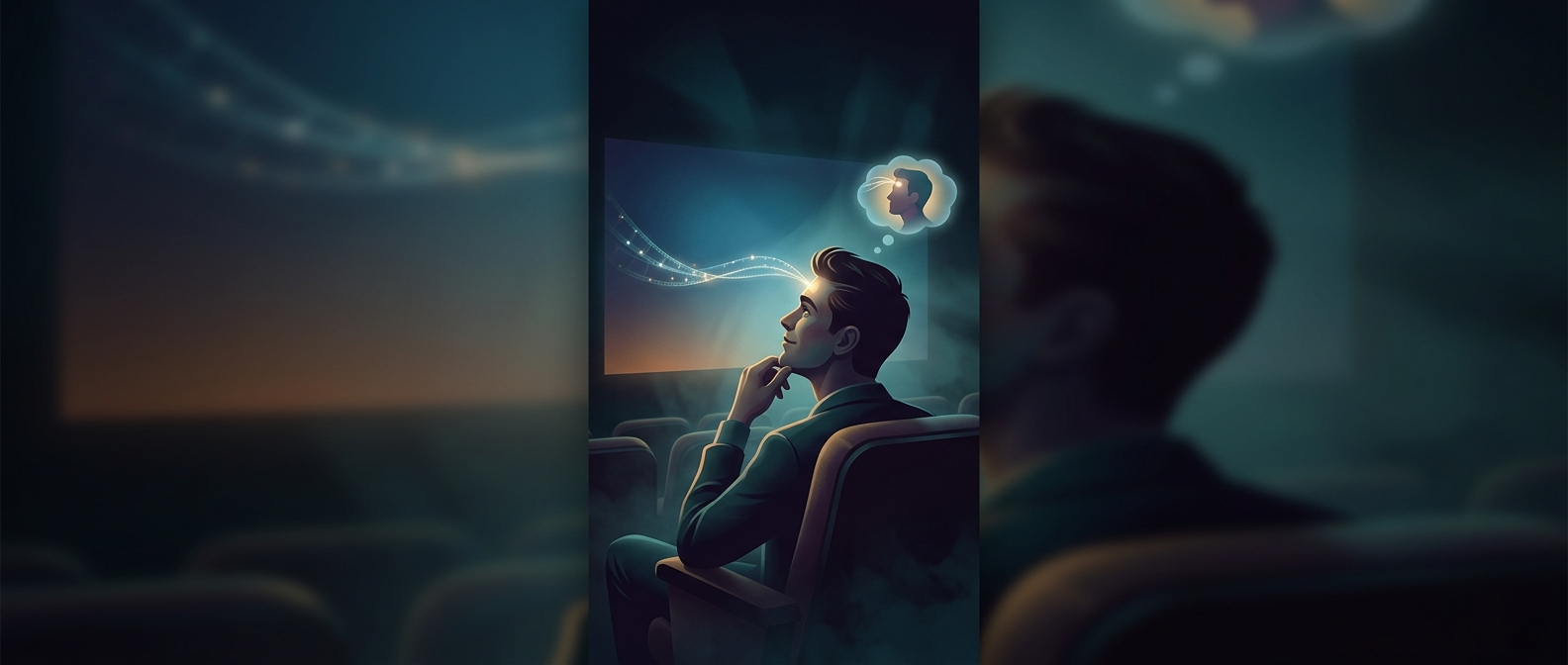
Imagine writing a story years after watching a film. A particular plot turn suddenly seems obvious: a character hides the truth, then discovers that the lie has caused the very outcome they feared. The thought feels yours because the scene that first planted it is no longer part of what you consciously remember.
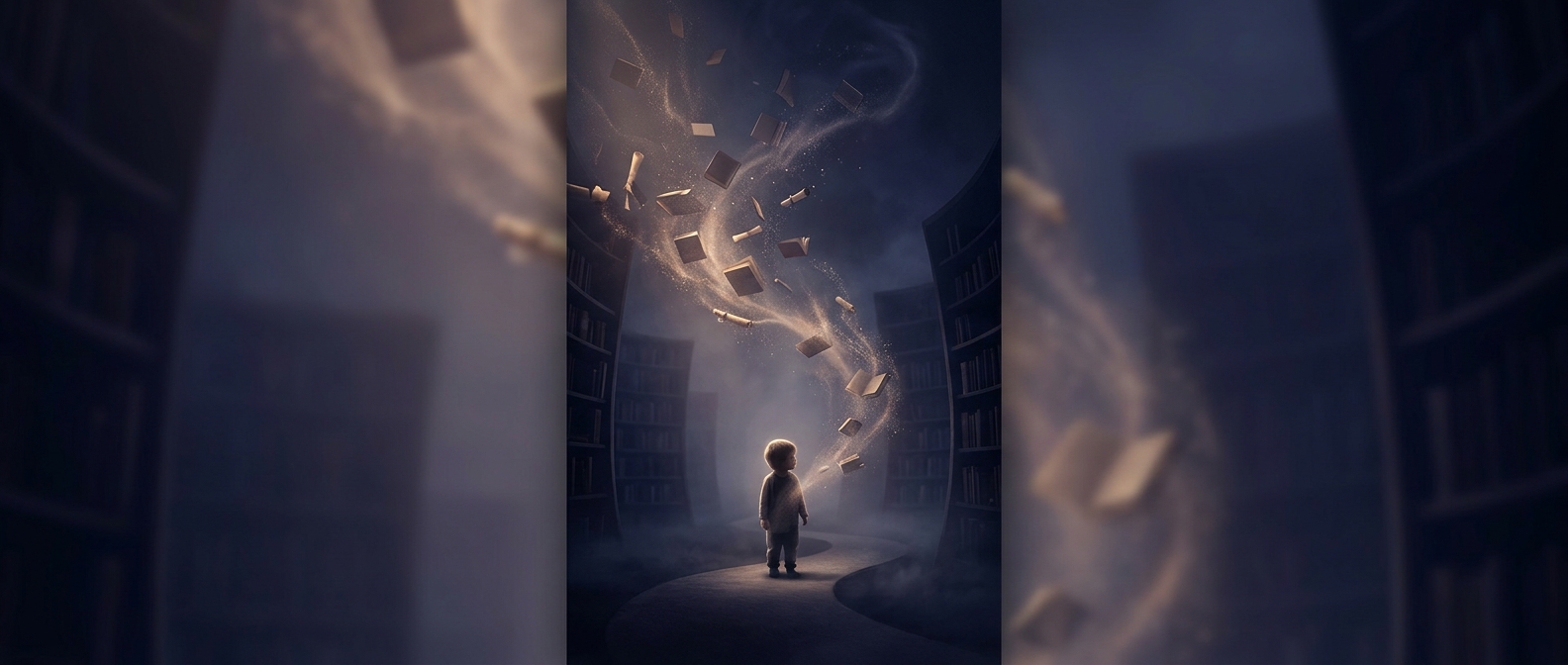
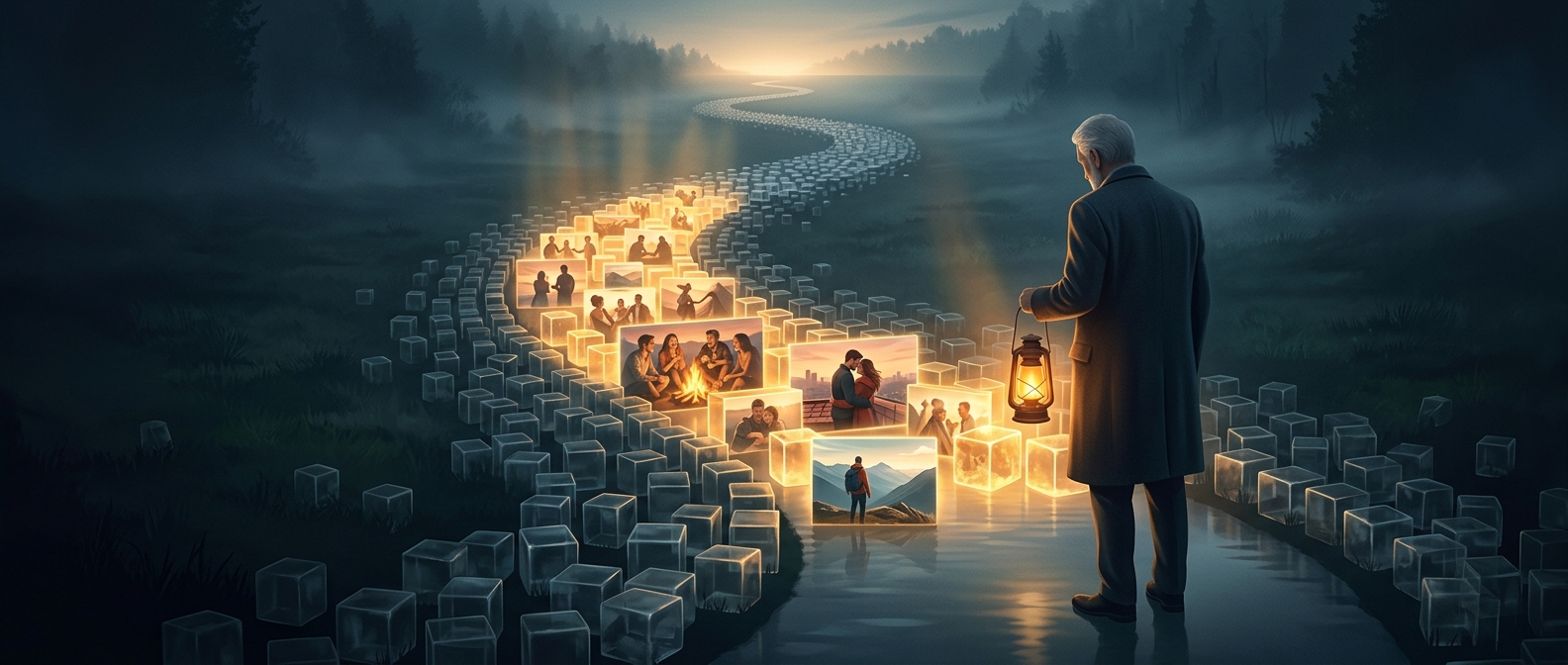
Memory stores information in pieces. The gist of an image, event, or idea can remain accessible while details about its source—where you saw it, who created it, and when—fade. Psychologists call the ability to remember those details source memory. When the content survives better than its source, a familiar idea can arrive without its history attached.
Familiarity is not the same as recognition
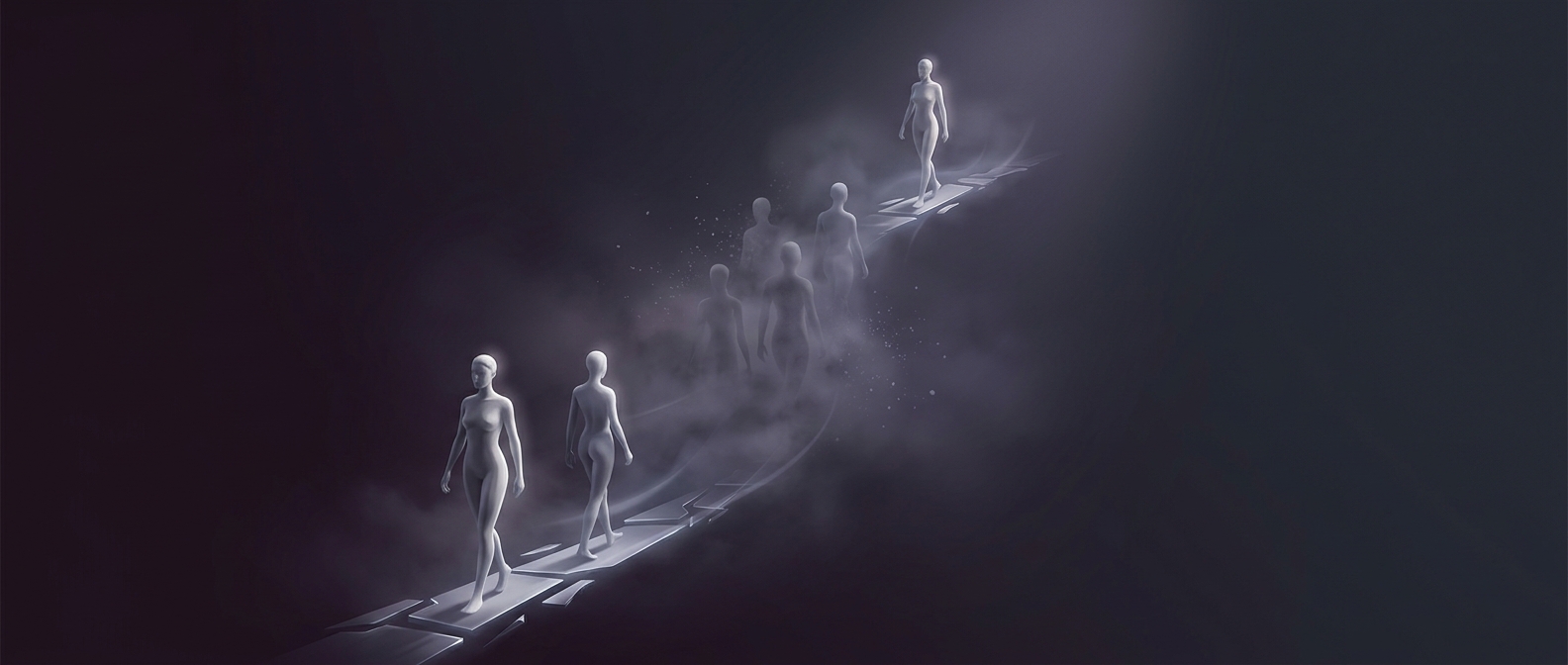
A resurfacing idea may feel fluent: it comes to mind easily and fits the problem at hand. That sense of ease can be mistaken for evidence that the thought is original. But recognizing that something feels familiar is different from remembering why it feels familiar. If the memory’s source is missing, the mind may credit the thought to the present moment rather than to an earlier film, book, or conversation.
This is sometimes called cryptomnesia: unintentionally recalling an earlier idea while experiencing it as one’s own. It is not deliberate copying. The person may remember the idea’s shape while genuinely failing to retrieve the encounter that supplied it.
The missing label changes how creativity feels
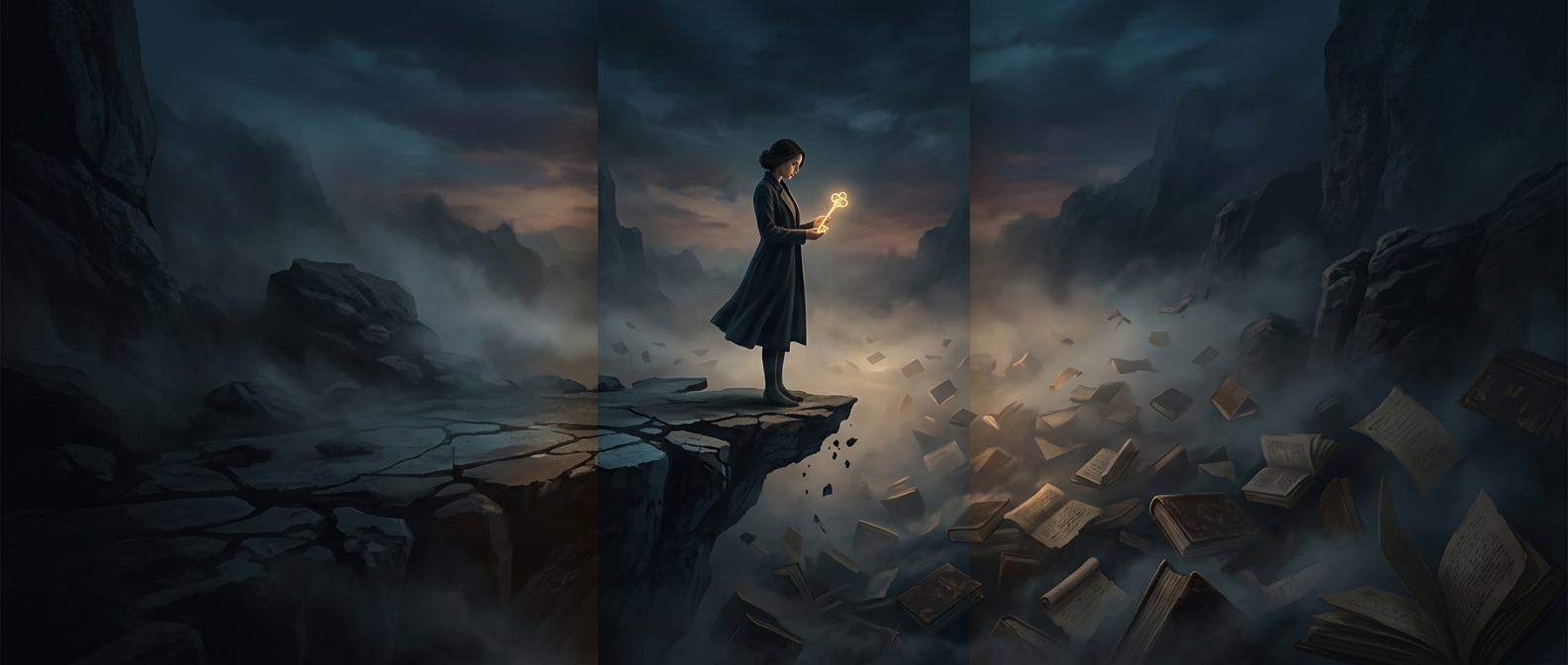
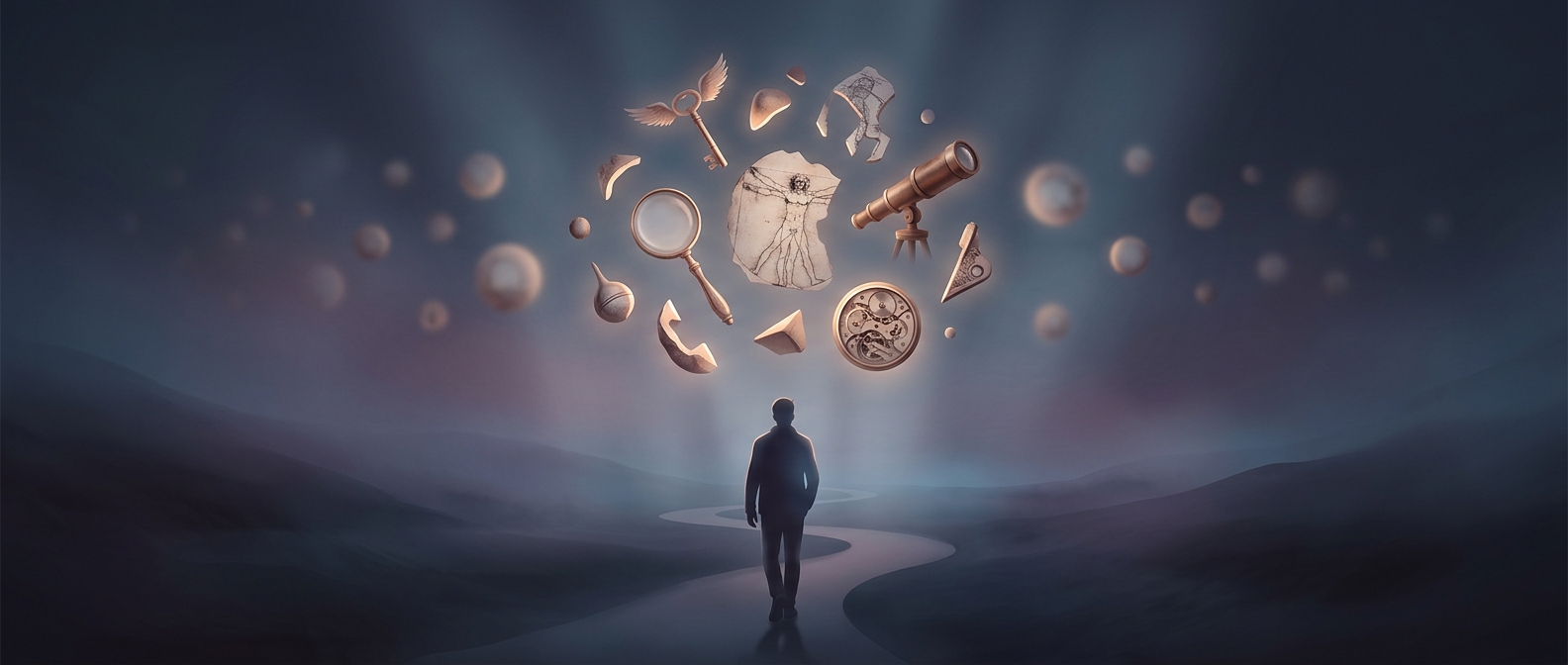
This gap matters because creative work often recombines material encountered over time. A remembered scene can become a starting point for something substantially altered, or it can reappear almost intact; without source memory, those possibilities are hard to judge by feeling alone. A sudden flash of inspiration can therefore be real as an experience without being wholly new in origin. The old scene has not necessarily been forgotten—it may be the part that explains where the idea came from that has gone missing.