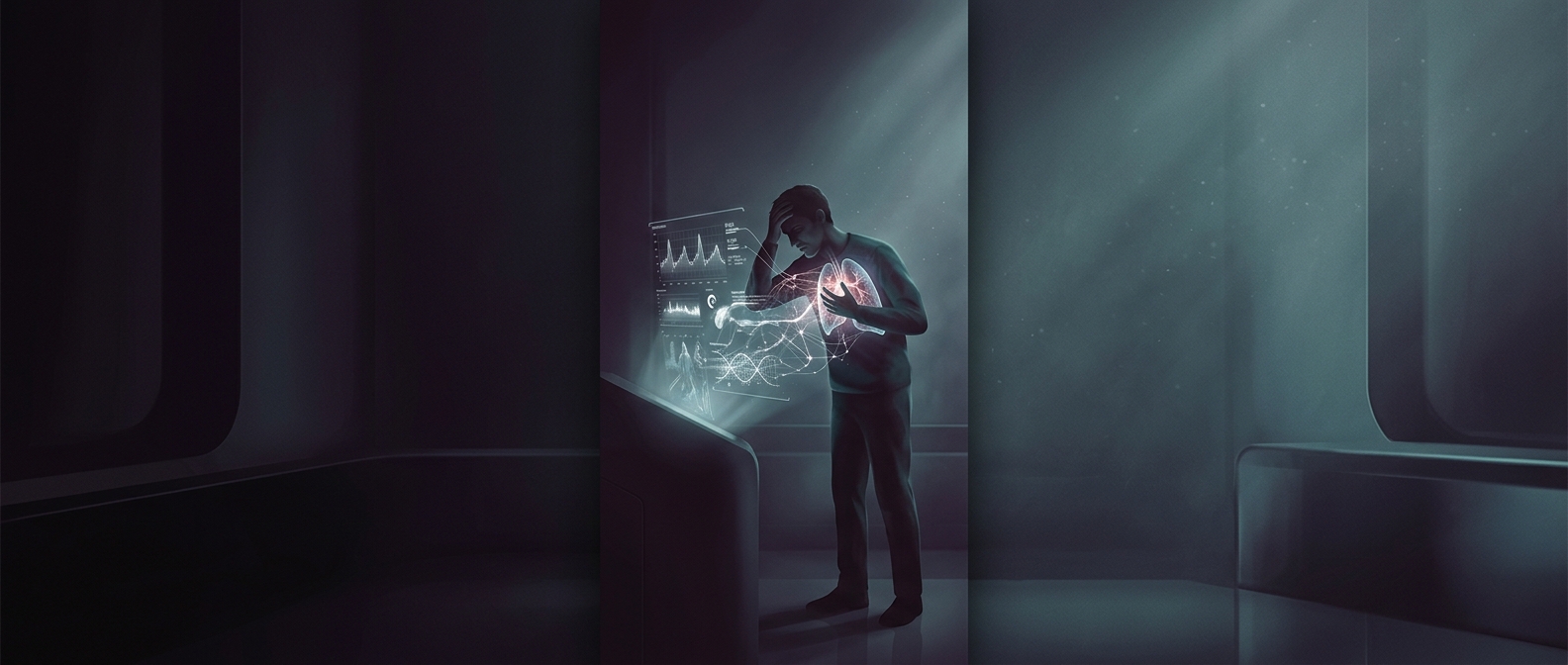
Suppressing sadness takes attention
Putting on a composed face is not the same as feeling composed. When you try to keep sadness from showing, part of your attention has to monitor what you say, how your face looks, and whether your feelings are slipping through. That effort can leave fewer mental resources available for the conversation itself.
How restraint can flatten connection
A warm exchange depends on small, quick responses: noticing a change in someone’s expression, letting your face react, or answering with the feeling the moment calls for. These cues usually happen without deliberate planning. But when you are busy managing your own reactions, you may miss them or respond more narrowly. The other person can then seem harder to read, and your own responses may feel muted.
That can create a feedback loop. With less natural back-and-forth, the conversation feels less connected; you may then pull back further, mistaking the resulting distance for calm. The coldness is not necessarily a lack of care. It can be the interpersonal cost of trying to keep an emotion out of view.
Hiding a feeling is different from processing it
Choosing not to display sadness in a particular moment can be useful—for example, when you need to get through a task or want privacy. But concealment does not automatically resolve what is underneath. If maintaining the mask consumes attention, you may have less capacity to notice what you feel or to respond to someone who is trying to connect.
The practical distinction is between controlling what you show and making room to understand what you feel. Even a small pause to acknowledge sadness privately can reduce the need to keep checking that it stays hidden—and leave more attention for the person in front of you.