Why someone else’s downfall can briefly feel like relief
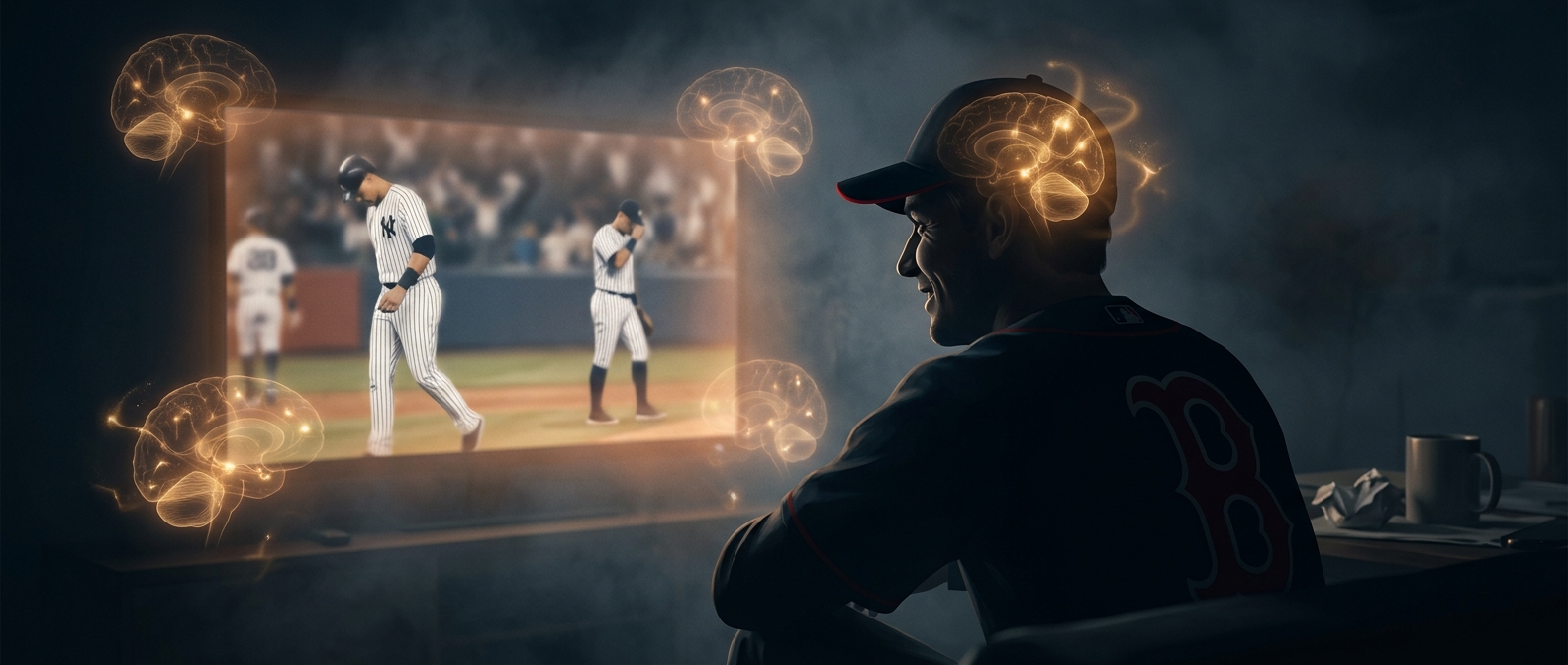
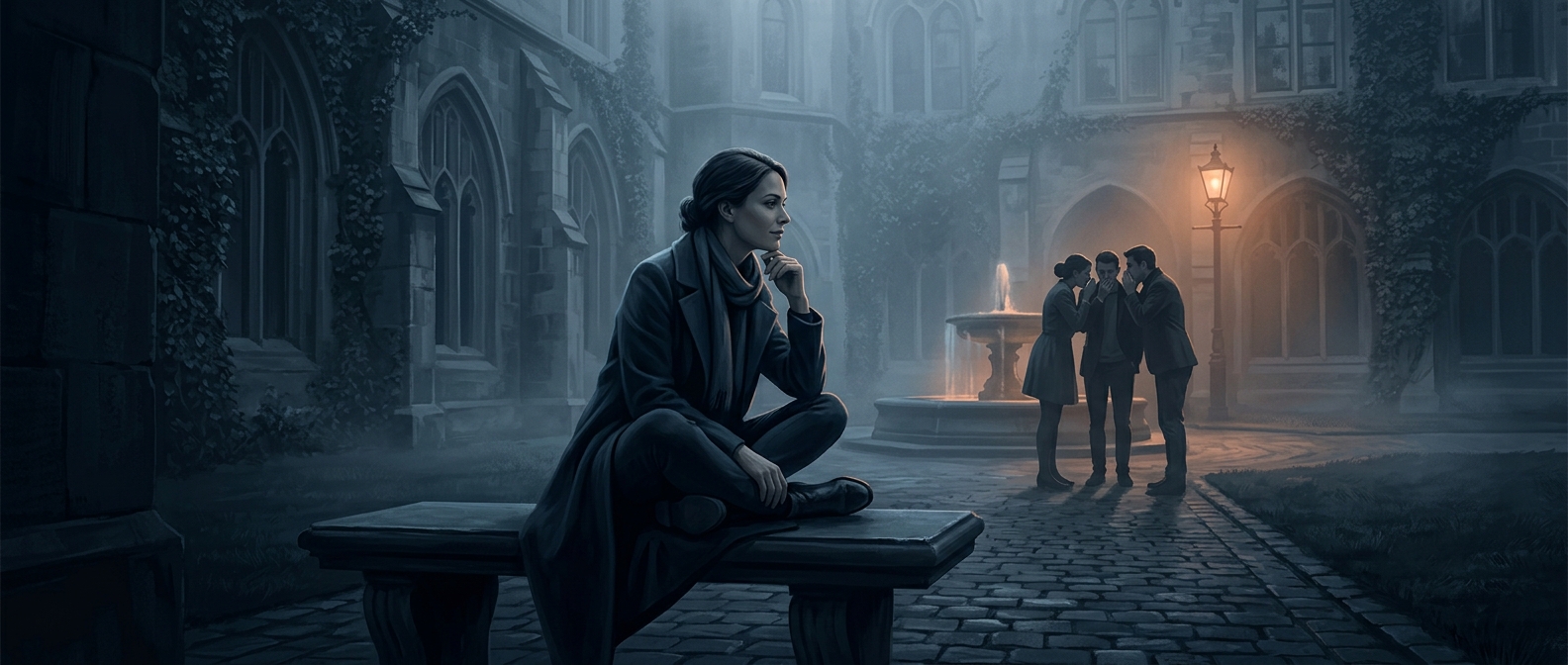
A scandal turns a distant person into a comparison point. Even without knowing them, we can use the story to take stock of our own choices: At least I haven’t made that mistake. Psychologists call this downward social comparison—judging ourselves against someone whose situation looks worse. The comparison can momentarily make our own position feel safer or more respectable, without anything in our lives actually changing.
The fall is sharper when there was a pedestal
Scandals often involve people who seemed admired, powerful, or unusually successful. When their image collapses, the contrast between their former standing and their current trouble makes the reversal especially noticeable. Watching that reversal can offer a quick status lift: someone who appeared above ordinary rules is suddenly subject to them.
The satisfaction may also feel easier to justify when the person seems to have violated a shared standard. Then the reaction is not only “I’m doing better”; it can include a sense that a rule has been enforced. But that judgment depends on what we believe happened—and on whether we see the person as deserving the consequences.
Why the feeling doesn’t last
The relief rests on comparison, not on evidence that our own lives are more secure. Once attention shifts, the contrast fades. And if the scandal involves severe harm, reminds us of our own vulnerabilities, or prompts sympathy for the people affected, pleasure can give way to discomfort.
That is why the same story can produce mixed reactions: a flicker of reassurance, curiosity, and unease. The satisfying part is often less about wanting a stranger to suffer than about briefly feeling that the distance between their public fall and our ordinary lives is reassuringly wide.