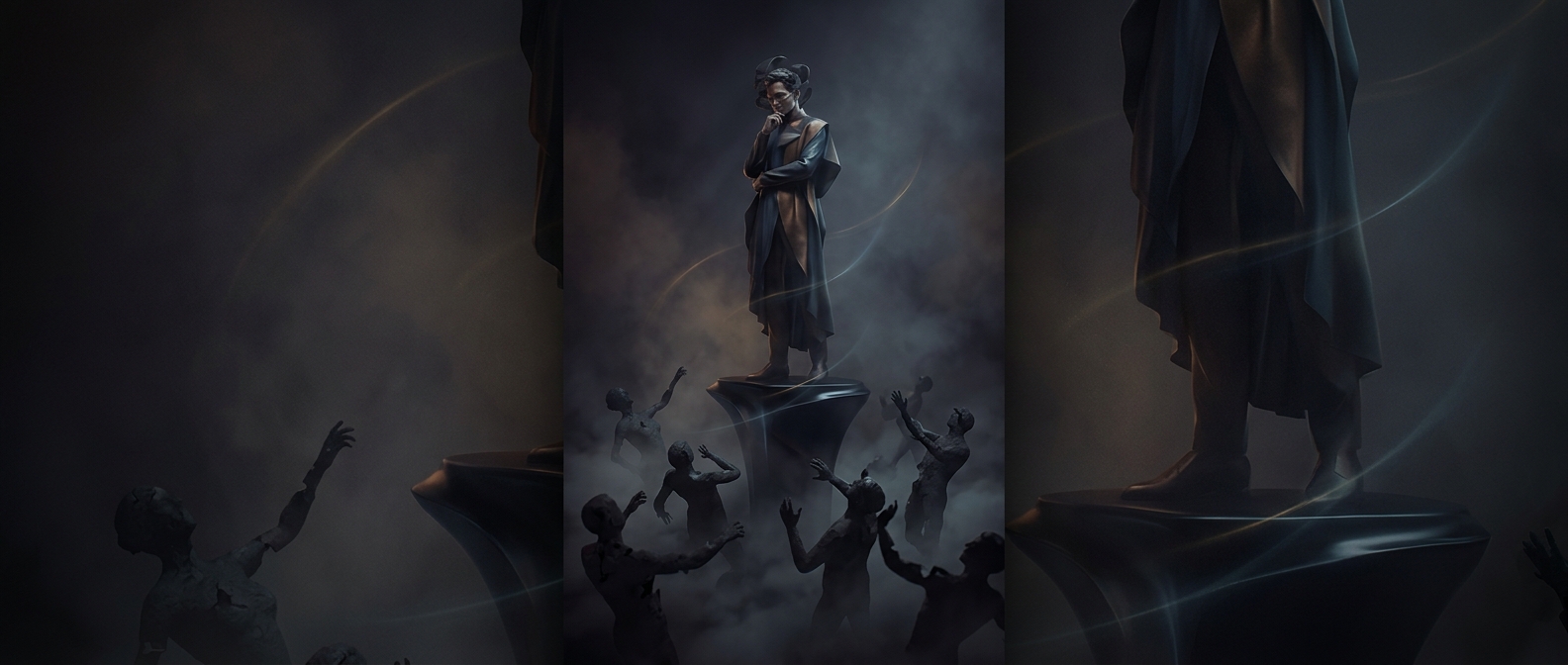
Why a named danger can feel easier to bear
An undefined threat leaves the mind with an unfinished task: figure out what might happen. Because there is no clear boundary around the worry, attention can keep cycling through possibilities. A specific piece of bad news may be frightening, but it gives that search something concrete to work on.
Once the danger has a shape—what happened, where, and to whom—the brain can build a more definite picture. That can narrow the questions from “What could go wrong?” to “How likely is this to affect me?” or “What would I do if it did?” The news has not made the event safer; it has made the uncertainty more organized.
From imagining to assessing
Concrete information can also help distinguish a vivid possibility from an immediate personal threat. A report about a disaster may reveal that it happened far away, under unusual conditions, or because of a particular failure. Those details give a person a basis for judging relevance instead of filling gaps with worst-case guesses.
That shift can restore a small sense of agency. Someone may check an alert, make a plan, or decide there is nothing useful to do right now. Even when the event is beyond their control, reaching a decision can feel less helpless than waiting in a fog of possibilities.
Reassurance has limits
Specificity is not the same as safety. If the news describes a danger that feels close, ongoing, or impossible to manage, details may intensify fear rather than settle it. And repeated updates can reopen the uncertainty by introducing new possibilities.
The reassuring part, when it comes, is often not the bad event itself but the end of guessing: a defined problem can be assessed, and sometimes acted on. A clear answer may still be painful—but it can be easier to carry than a question with no edges.