The mind reads a fall in two ways
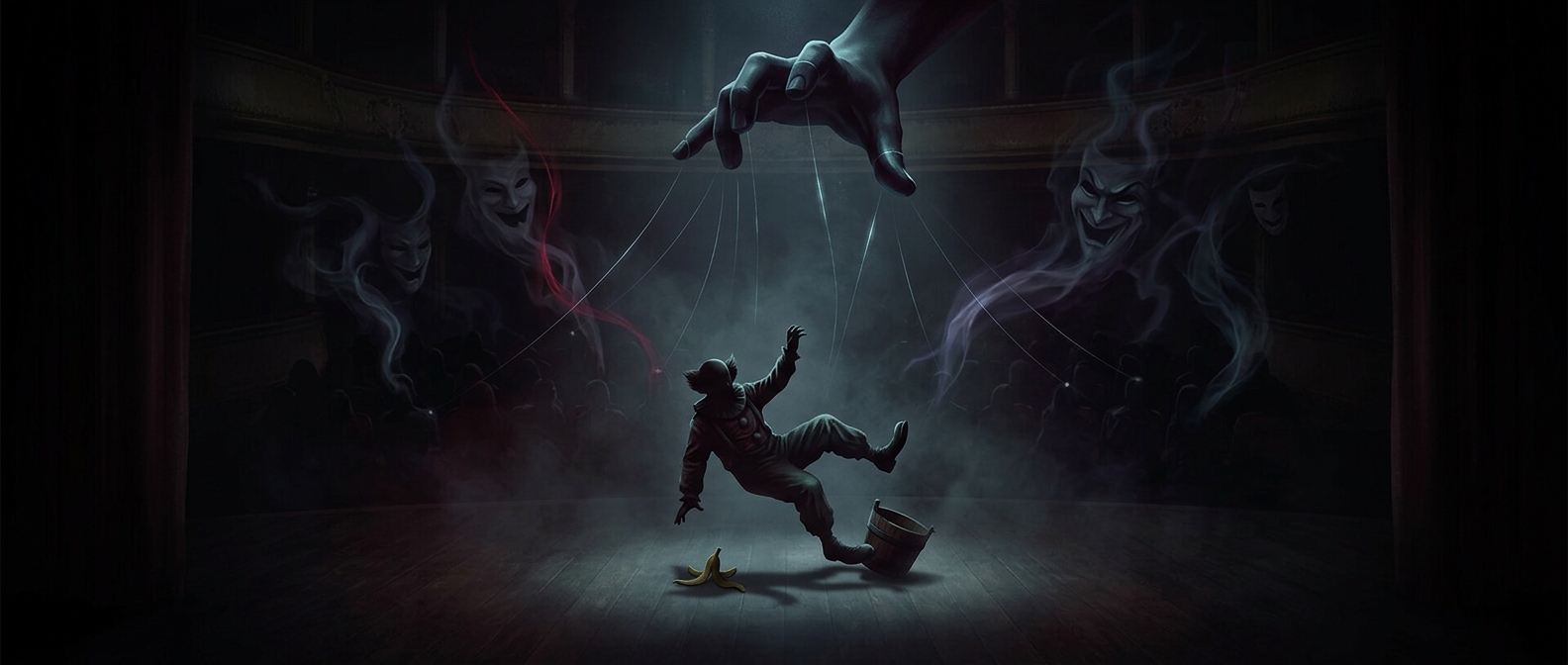
A stumble abruptly breaks the rules we expect bodies to follow. People usually move with enough control to stay upright; when someone’s feet fly out or their arms windmill, the scene becomes both surprising and socially awkward. That collision—something seems wrong, yet the moment may not be dangerous—can create the tension that comedy releases.
Psychologists often describe this kind of humor as a benign violation: a breach of an expectation that feels safe enough to enjoy. The “benign” part matters. A pratfall can look alarming for an instant, while the viewer’s distance, the setting, or the person’s quick recovery signals that the threat has passed.
Why timing changes the reaction
The laugh often comes after the surprise, not at the first glimpse of someone going down. The brain has to revise its initial reading of the scene: from possible injury to awkward mishap. A pause, a glance around, or a brisk return to ordinary activity can make that revision clear. The sudden shift turns nervous attention into amusement.
If the person remains down, appears badly hurt, or seems unable to recover, the same unexpected movement is no longer safely comic. Concern takes over because the viewer cannot resolve the scene as harmless. The physical action has not changed; what changes is the evidence about its consequences.
Distance helps, but it is not the whole story
Watching from the sidelines can make a fall feel less threatening than experiencing it, but distance alone does not guarantee laughter. Viewers also read context and the person’s response. A staged tumble in a performance invites a different interpretation from a fall in a setting where someone may need help.
That quick change in interpretation is why a pratfall can produce a laugh one moment and concern the next: the audience is responding not just to the fall, but to what it seems to mean.