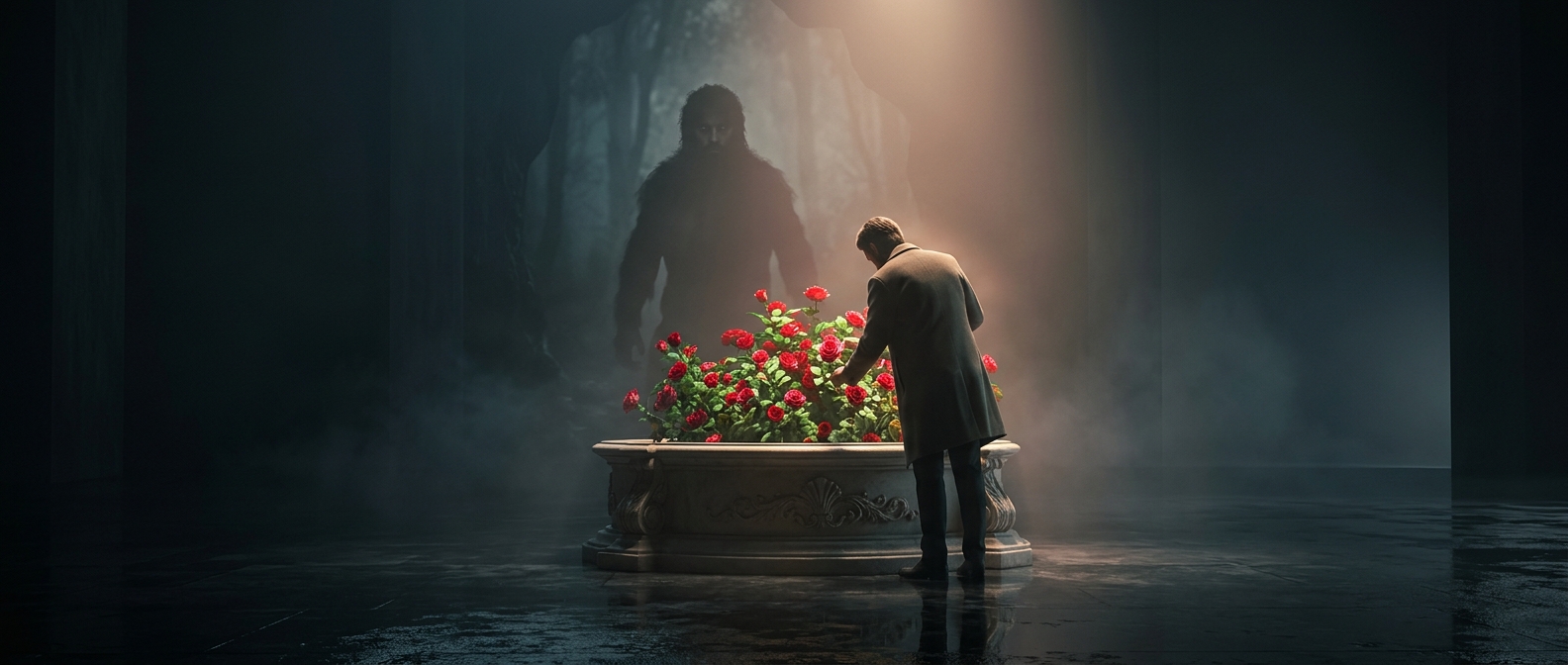
Why a small ritual can quiet a big worry
A disturbing thought can feel more consequential than it is. Psychologists sometimes describe this as thought–action fusion: treating a thought as if it were closely connected to an event, such as believing that imagining a mishap makes it more likely. The feeling can arise even when a person knows, rationally, that thoughts do not cause outside events.
Knocking on wood gives that unease a simple response. Instead of sitting with an imagined danger and having no way to affect it, you perform a concrete act. The gesture does not change the odds; it can change how the moment feels by making you feel less helpless.
How the relief can reinforce the habit
If the worry eases after the knock, the brain can link the action with relief: I did something, and I feel safer now. That association may make the gesture more likely the next time a dark thought appears. The relief is real as an experience, even though it is not evidence that the ritual prevented anything.
This is one reason familiar superstitions can persist without a firm belief in magic. A person can knock on wood half-jokingly, yet still find the action comforting. The gesture offers a brief sense of control in a situation where the feared outcome is imagined and cannot be checked or managed in that instant.
The revealing detail is how little the ritual requires: a tap, a pause, and a moment of reassurance. Its power is not in the wood, but in giving worry something to do.