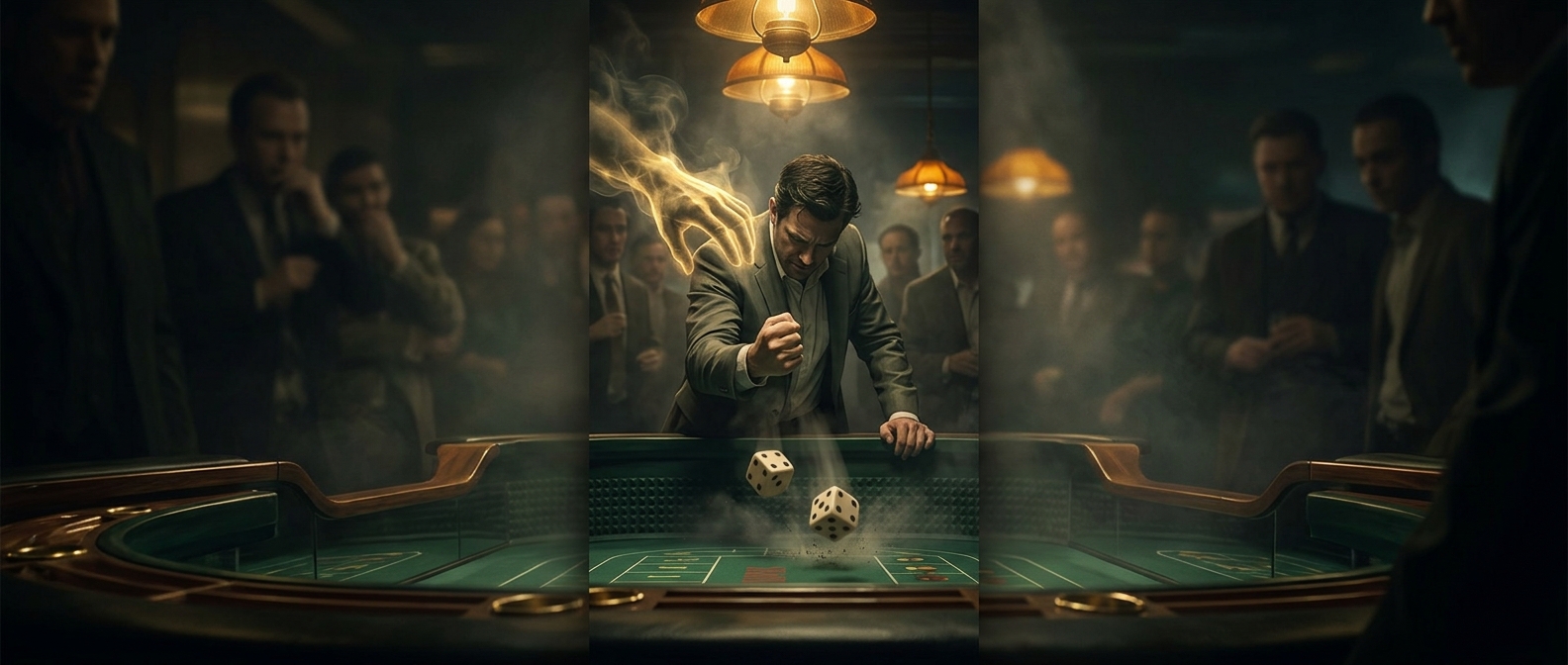
How a tap can interrupt a worry
Bad-luck fears often grow in the gap between imagining a bad outcome and being able to do anything about it. A person may picture a job interview going wrong or a family member falling ill, even though neither outcome is under immediate control. Knocking on wood supplies a simple action at precisely that moment.
The tap does not change the odds. It changes what the worrier is doing: instead of replaying a thought, they perform a brief, familiar movement. That shift can make an uneasy moment feel more manageable, even if only temporarily.
A small action, a sense of agency
Psychologists use perceived control to describe the feeling that your actions can influence what happens. It is not the same as actually controlling an outcome. When uncertainty feels uncomfortable, even a modest action can offer a sense of agency—the feeling that you are responding rather than just waiting.
A ritual can also serve as a stopping point. The thought “I hope this doesn’t go wrong” leads to a tap; the tap marks the end of that little sequence. That can help someone set the worry aside and return attention to the conversation or task in front of them.
Comfort without a guarantee
For many people, knocking on wood is a lighthearted habit rather than a deeply held belief. Its usefulness lies in the momentary routine, not in any demonstrated power to prevent misfortune. The same distinction matters when a ritual starts to feel compulsory: repeating an action may briefly soothe anxiety, but it cannot make an uncertain event certain.
The next time someone taps a tabletop after mentioning a hope, the gesture is doing something psychologically understandable: giving an unmanageable possibility a small, manageable response.