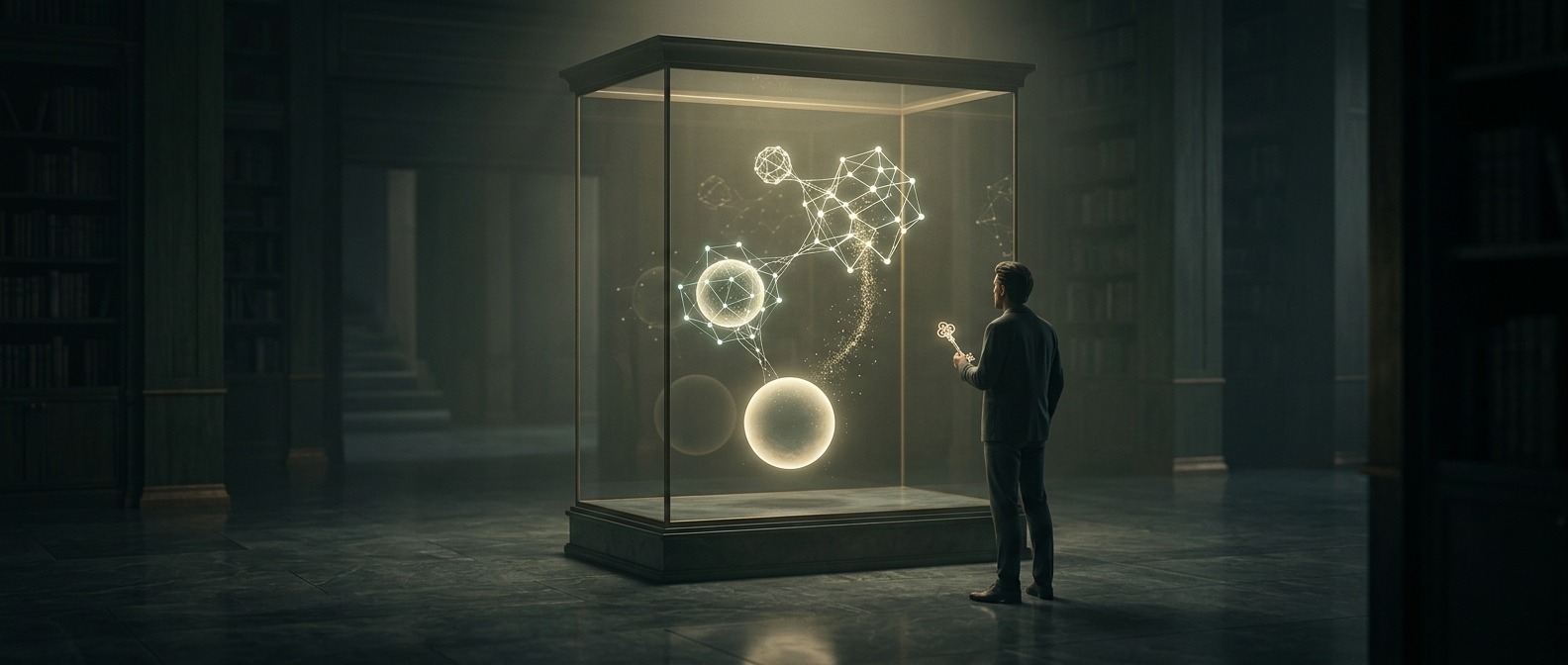
When choosing becomes a comparison task
A large dating pool changes what a decision feels like. Instead of asking, “Do I enjoy this person’s company?” someone may start asking whether this is the best choice available. That standard is difficult to meet because the alternatives are mostly unseen: each new profile could seem more appealing, but there is no way to compare a real relationship with every possibility that might have been.
Psychologists sometimes describe this as opportunity cost: choosing one option means giving up the chance to pursue others. When alternatives remain easy to browse, that cost stays mentally vivid. A promising date can therefore feel less satisfying not because anything went wrong, but because another possibility is still just a swipe away.
Why more options can feed doubt
People can keep evaluating after they have made a choice. They may replay a conversation, notice small imperfections, or imagine how a different match might have behaved. This is counterfactual thinking—mentally comparing what happened with an alternative that never actually occurred. The imagined option has a built-in advantage: it has not yet had to deal with ordinary disagreements, awkward moments, or mismatched expectations.
More options do not automatically make everyone less happy. A wider pool can help someone find a compatible partner, especially when their real-world social circle is limited. The difficulty is that browsing can turn dating into a search for the theoretically optimal match, rather than a process of learning whether two people fit in practice.
A choice needs room to become real
One practical distinction is between deciding whether to meet someone again and deciding whether they are the best possible partner. The first question can be answered from an actual interaction; the second invites comparison with people who remain hypothetical. When every pause becomes a chance to reopen the search, it is harder to give a promising connection enough attention to discover what it might become.