When familiar surroundings lose their emotional color
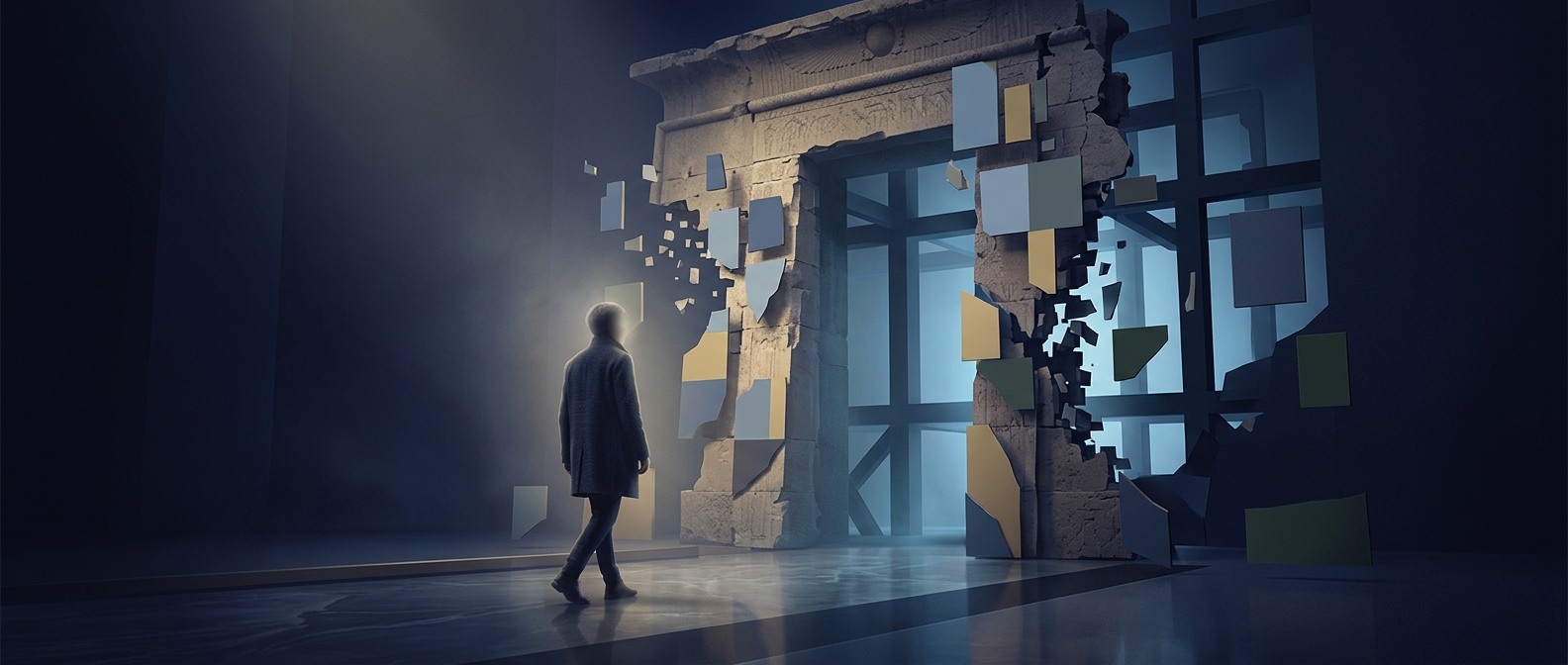
A room can remain visually intact while feeling oddly unfamiliar. The furniture is where it was; the light and sounds may be clear. What has shifted is the sense of connection that normally makes a place feel immediate and lived-in. In psychology, this experience is often called derealization: surroundings seem distant, dreamlike, or unreal, even though a person recognizes that they are real.
How stress can change the feeling of reality
Anxiety puts the mind on alert. Attention may narrow toward possible threats, while the body’s stress response prepares for action. In that state, ordinary details can be noticed without carrying their usual emotional weight. A familiar kitchen may register as a collection of shapes and surfaces rather than as the comforting place where someone makes breakfast.
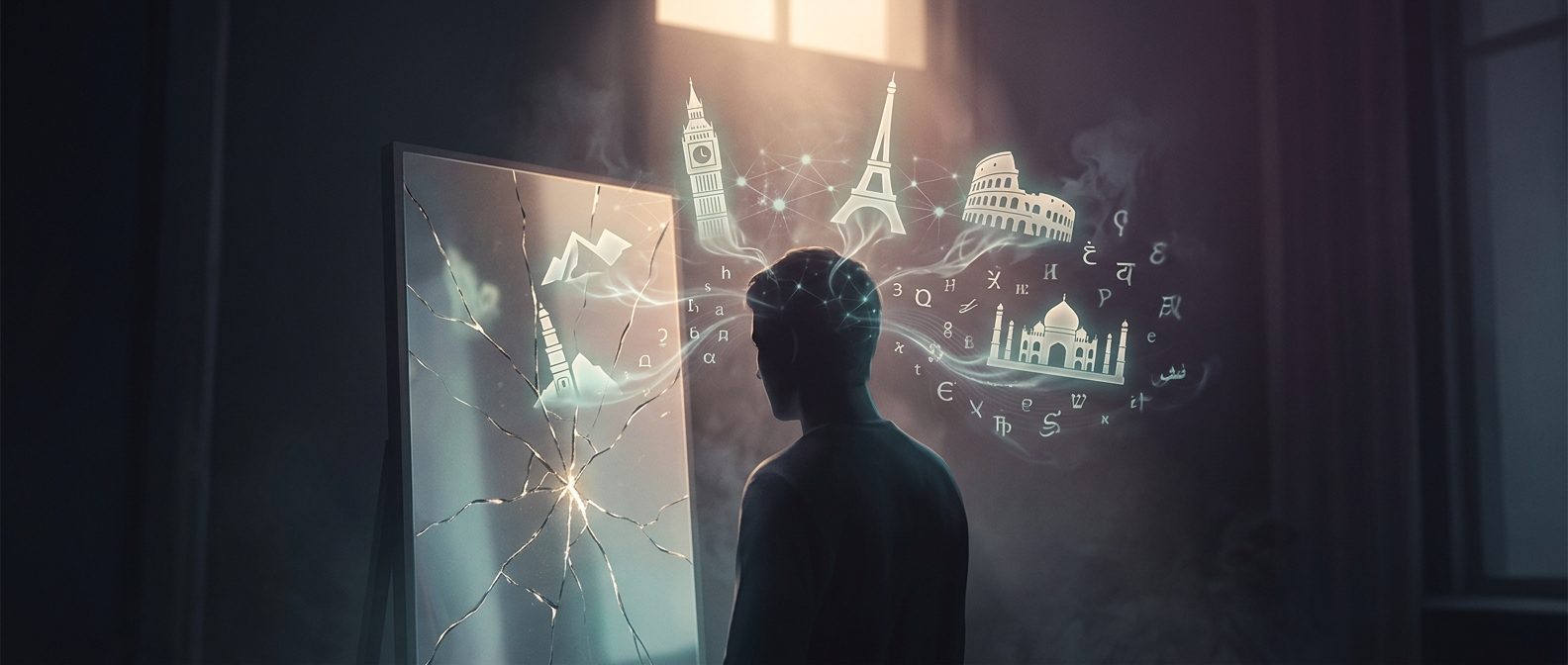
That mismatch can itself feel alarming: “I know this is my home, so why does it look like a set?” The sense of unreality is a change in experience, not necessarily a loss of knowledge about what is real. The room has not become strange in any physical sense; the mind’s usual feeling of immersion has weakened.
The feeling can add to the alarm
Once someone notices the distance, they may start monitoring it—checking whether objects still look right or wondering whether the feeling will stop. That extra worry can keep attention fixed on the sensation and make it more prominent. This does not mean the person is choosing it or imagining it; it shows how fear about an unsettling experience can become part of the experience.
Brief episodes can occur with stress or anxiety. If the feeling keeps returning, lasts a long time, or disrupts daily life, discussing it with a mental-health professional can help clarify what is happening and what support may be useful. The disconcerting part is precisely the split: the world can look present while feeling far away.