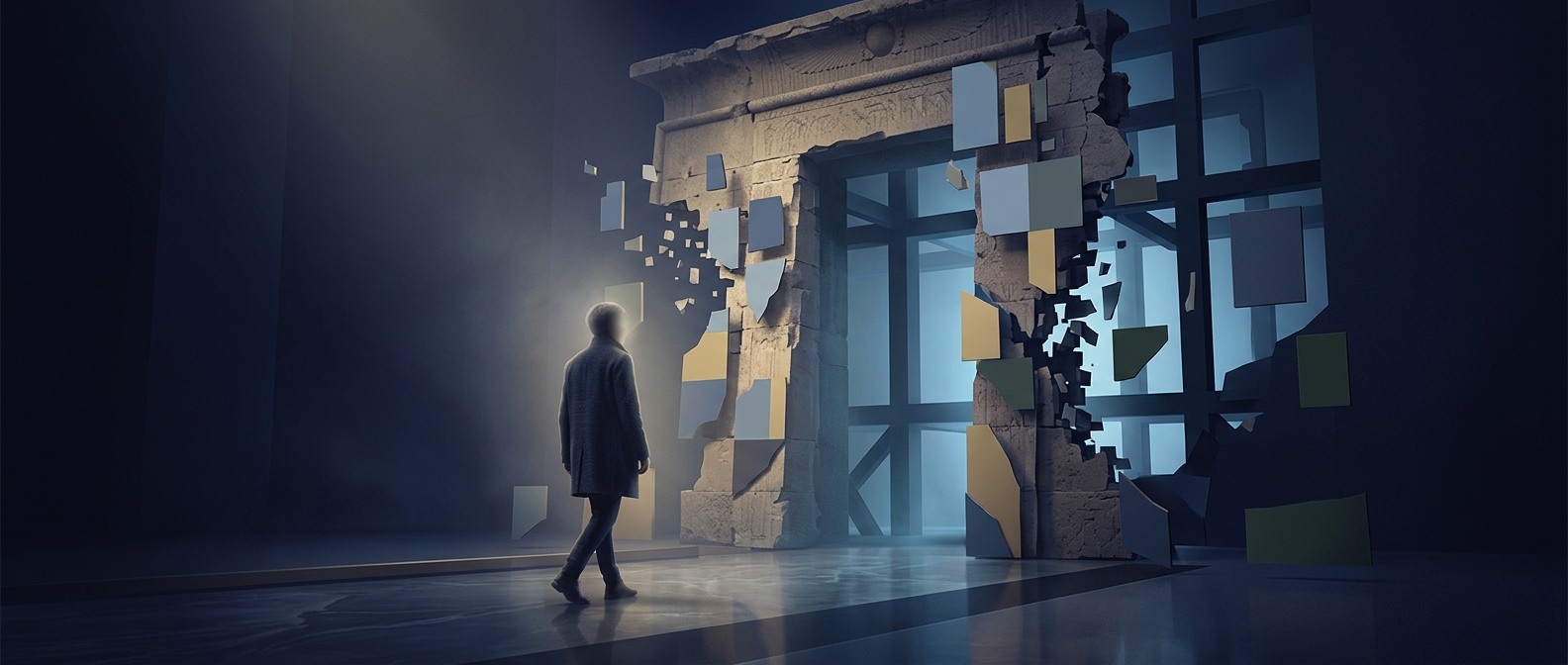
How stress can loosen the sense of being present
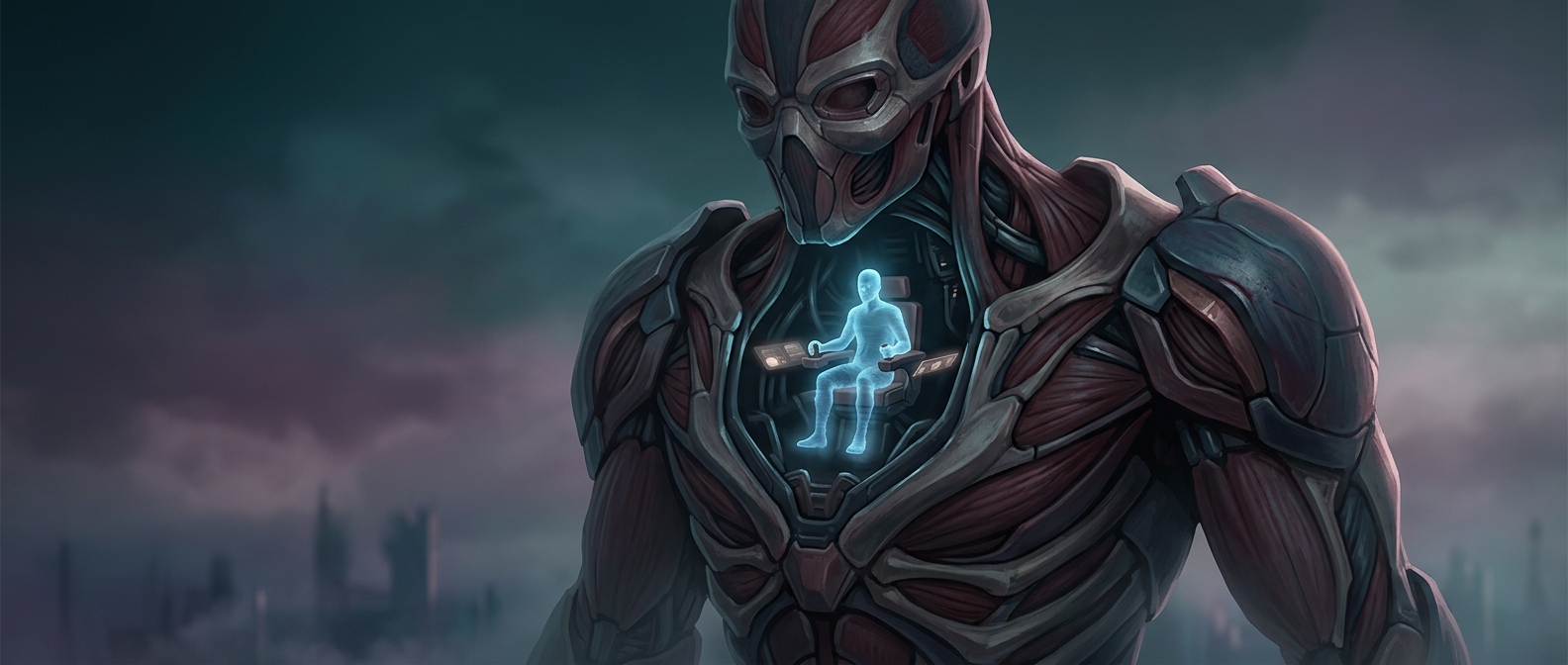
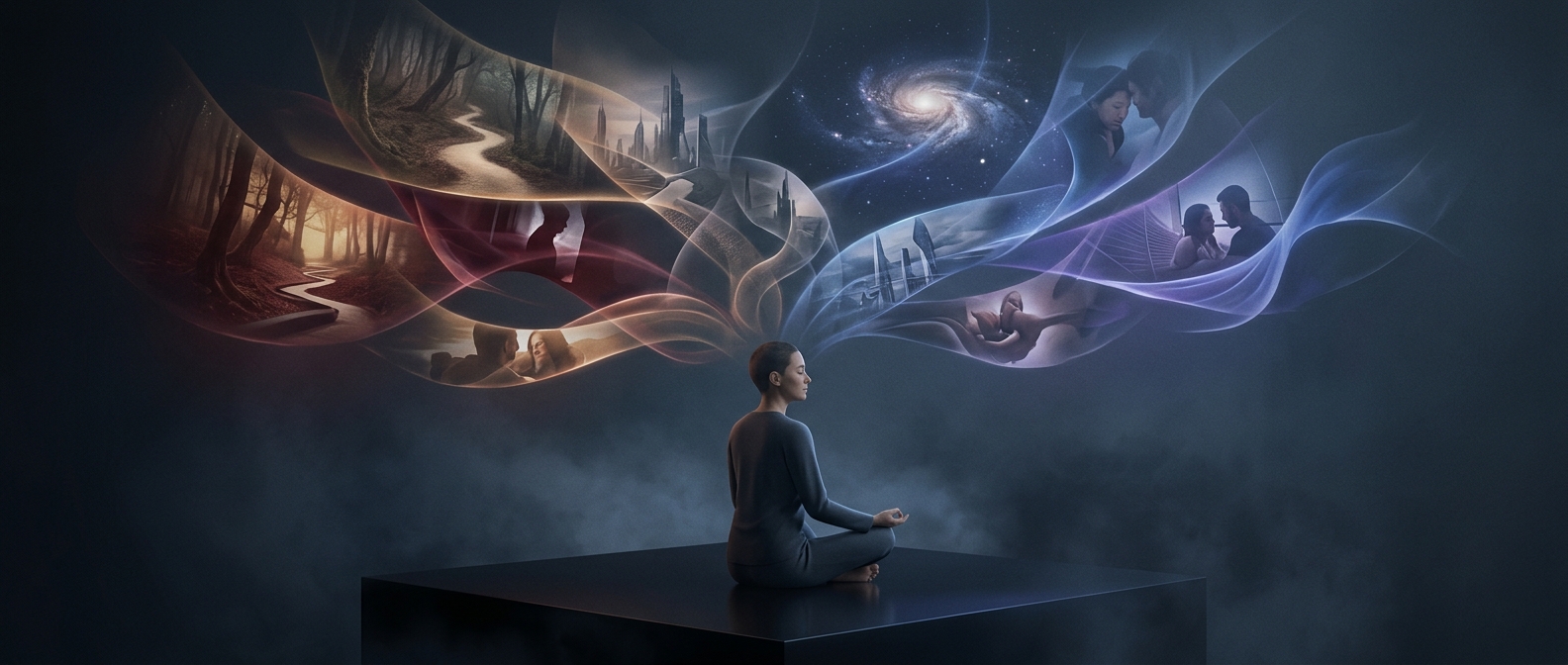
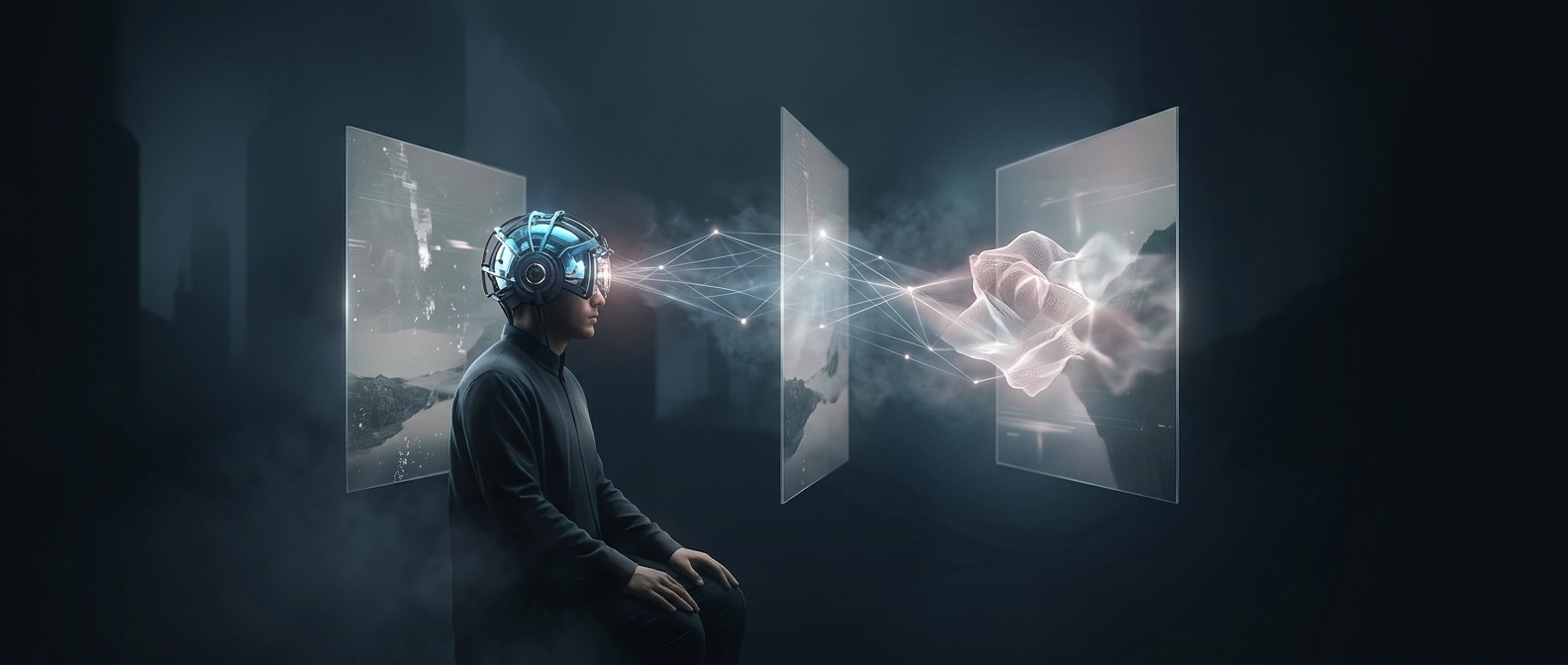
Ordinarily, the brain knits together sights, sounds, bodily sensations, emotions, and a sense of “this is happening to me” into one continuous experience. Under overwhelming stress, that integration can falter. Attention may narrow or shift away from details that feel unbearable, while the scene itself seems distant, foggy, or unreal. Some people feel detached from their body or watch their own actions as though from the outside.
This is called dissociation. It is not a deliberate choice, and it does not mean a person has lost touch with reality in every respect. Someone may recognize where they are and what is happening while still feeling strangely removed from it.
Why distance can appear in a crisis
Stress changes how the mind allocates attention. When danger or intense emotion overwhelms a person’s ability to take in everything at once, experience may become fragmented: the person might focus on one task, feel numb, or have trouble following the passage of time. Creating psychological distance can make the moment feel more manageable, though it can also make it harder to respond, communicate, or later recall events clearly.
The experience varies. A brief unreal feeling during an acute crisis is not, by itself, enough to identify a disorder. If detachment keeps returning, lasts after the stressful situation has passed, or disrupts daily life, it is worth discussing with a qualified health professional. The striking point is that a person can be physically present in a familiar room while their felt sense of being there has temporarily pulled away.