Why a threat can leave an uneven memory
When danger feels immediate, the brain gives priority to information that may help a person survive: where the threat is, how close it is, and what to do next. Attention is limited, so details outside that narrow focus may receive less notice. The event can therefore be remembered unevenly—not as a complete recording, but as some vivid details alongside gaps or a weak sense of sequence.
A memory can be hard to tell as a story
To recall an event deliberately, people usually have to retrieve details and connect them into a timeline: what happened first, where they were, and what followed. Under intense stress, those links may be difficult to form or use later. A person might remember a sharp image or sensation but struggle to place it in an orderly account. That difficulty does not mean the experience had no effect; it means that a clear narrative is not the only way memory can show itself.
Cues can bring back fragments
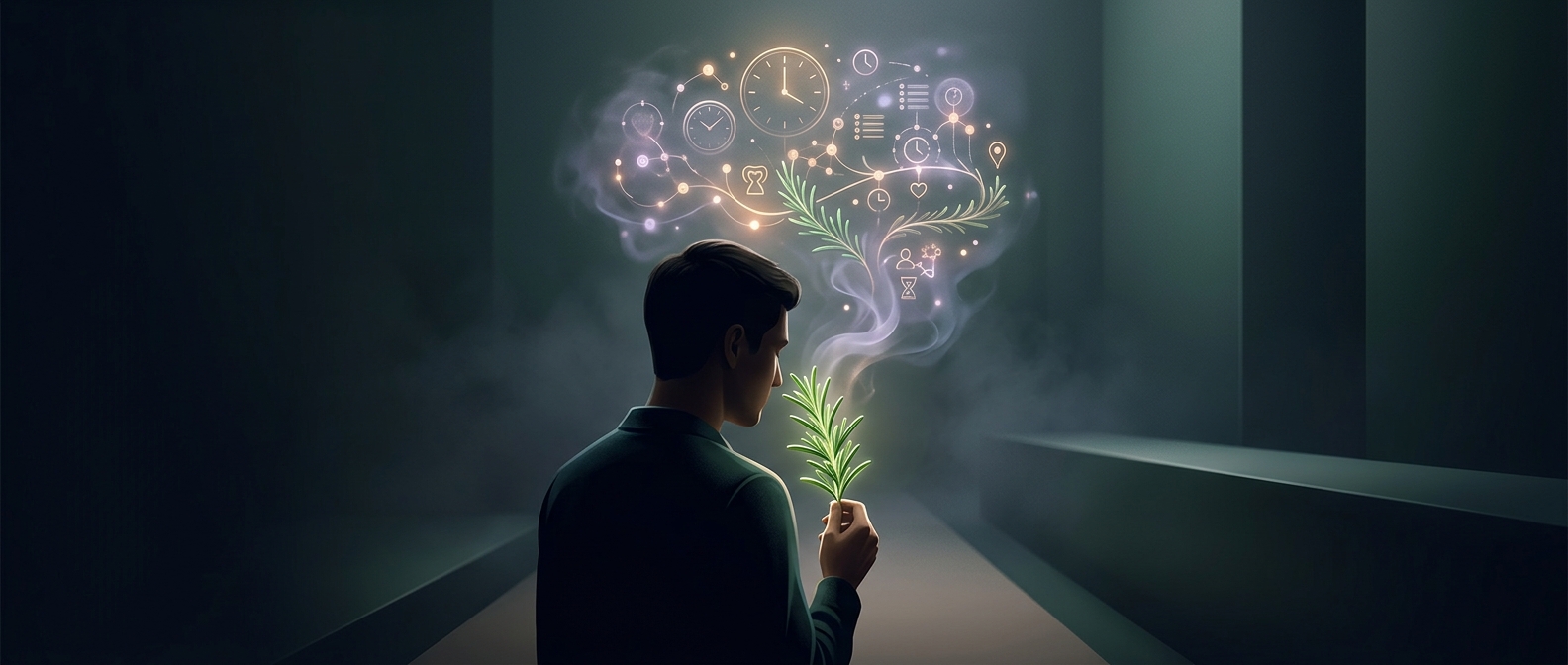
A familiar sound, smell, or setting can act as a retrieval cue—a detail that helps bring associated memories or reactions to mind. Because cues can trigger a fragment without supplying the whole timeline, a person may suddenly feel alarm, tension, or a flash of imagery while still being unable to recall the event deliberately. The reaction is real, but by itself it cannot establish every detail of what happened. It shows how remembering can depend on cues and context, not just on consciously telling a story.