How the Brain Finds Depth Between Two Pictures
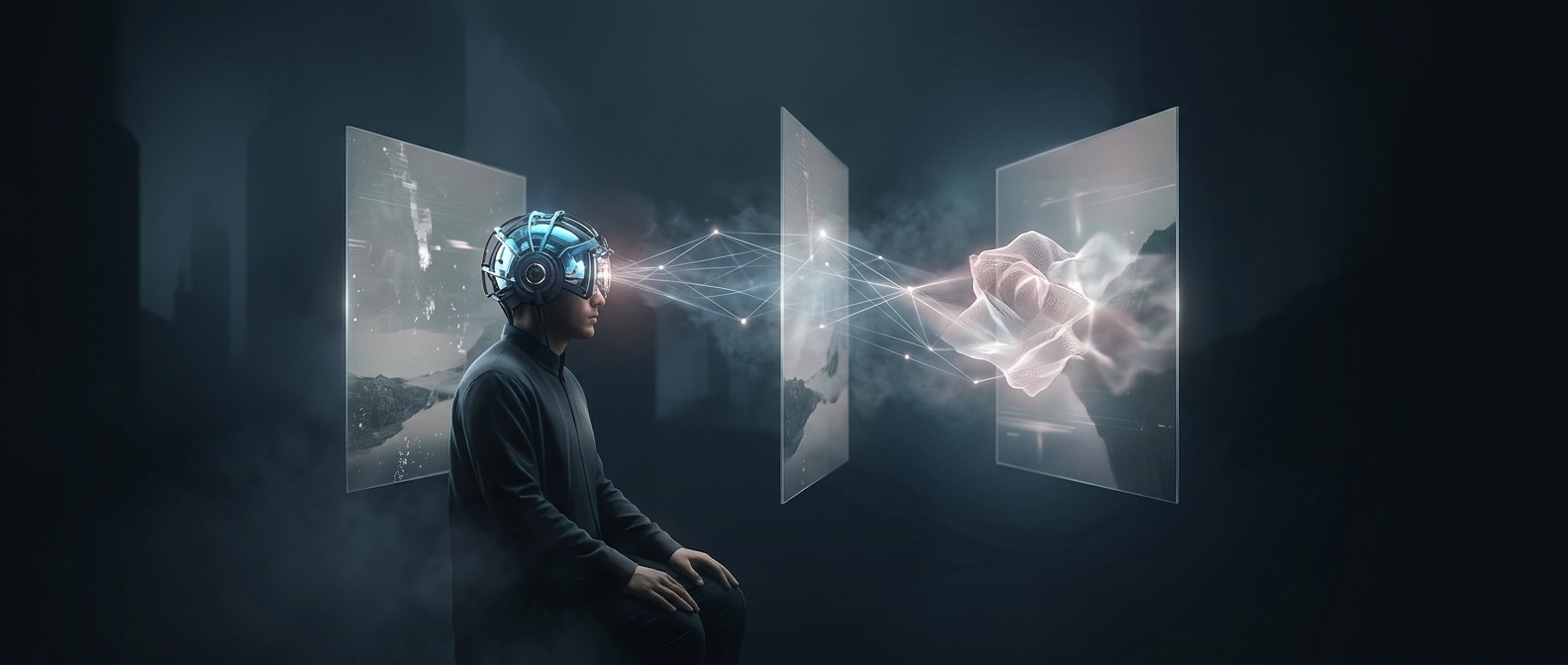
The brain does not simply combine the pictures like transparent layers. It searches for corresponding details—a corner, edge, or patch of texture—in each view. Because the images were made from slightly different viewpoints, a matching detail usually lands in a different place relative to the rest of the picture. That small offset is called binocular disparity.
The visual system uses the size and direction of those offsets to estimate which parts are nearer and which are farther. A feature that shifts more between the two views is generally judged to be closer than one that shifts less, assuming the pictures were arranged for ordinary stereoscopic viewing. The resulting depth is an interpretation assembled by the brain, much as it estimates distance from shading or perspective.
Why the Pair Has to Be Nearly—but Not Exactly—the Same
If the pictures were identical, they would provide no difference for the eyes to compare. If they differed too much, the brain might fail to match corresponding features, leaving the scene doubled or confusing. A small, consistent change is the useful middle ground: enough to signal depth, but not enough to make the two views seem like unrelated scenes.
This is why a stereoscopic pair must be viewed so that each eye receives its intended image. When the alignment works, the brain treats the slight mismatch not as an error but as evidence about distance.
A Depth Cue Built From Disagreement
The effect reveals a useful feature of vision: the eyes do not need to receive identical information to perceive one stable world. Their differences help supply a missing dimension. Two flat pictures can therefore suggest a layered scene, but the depth is not physically inside either image; it arises from the brain’s comparison of the pair.