How an imagined scene can feel like a memory
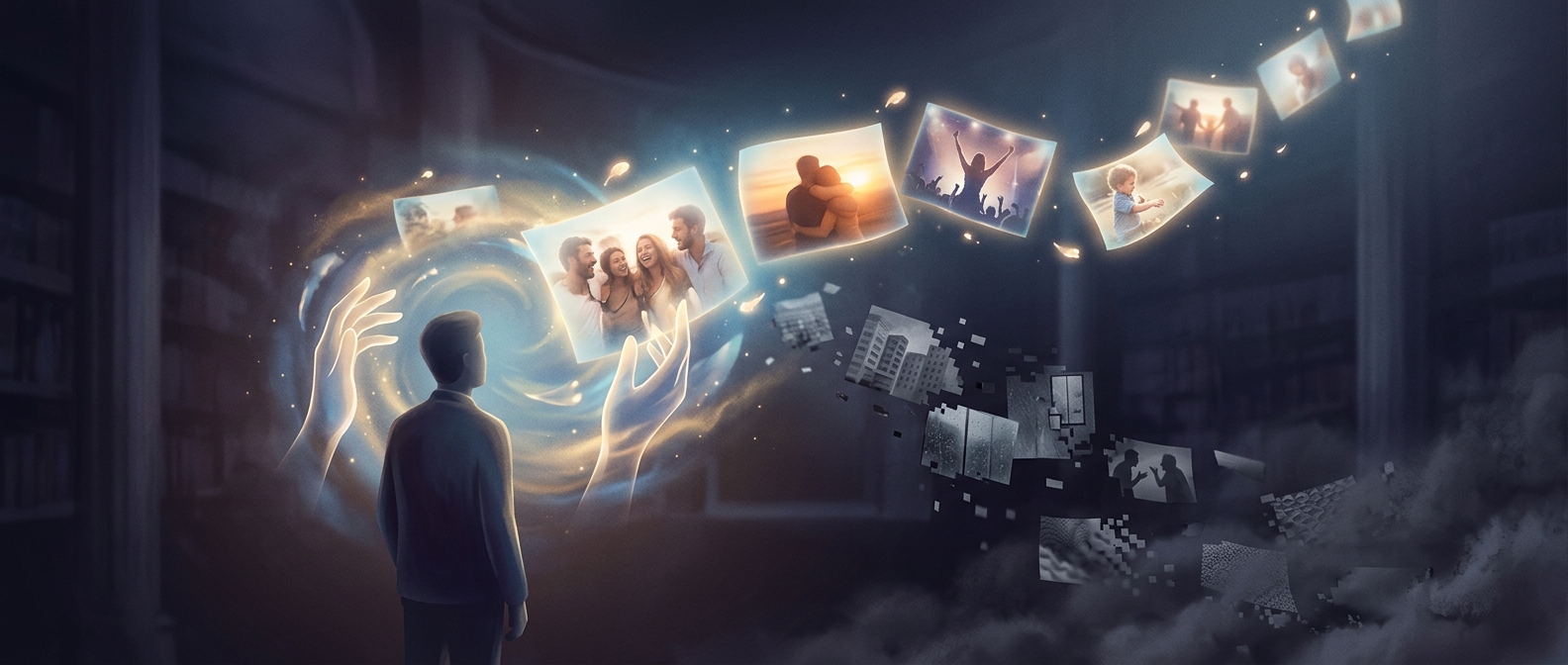
A story can give the mind the ingredients of a scene: a place, people, actions, and sensory details. When you picture those details, your brain is doing some of the same constructive work it uses when recalling an event. The resulting image may feel vivid even though it came from imagination rather than experience.
Familiarity can outlast the source
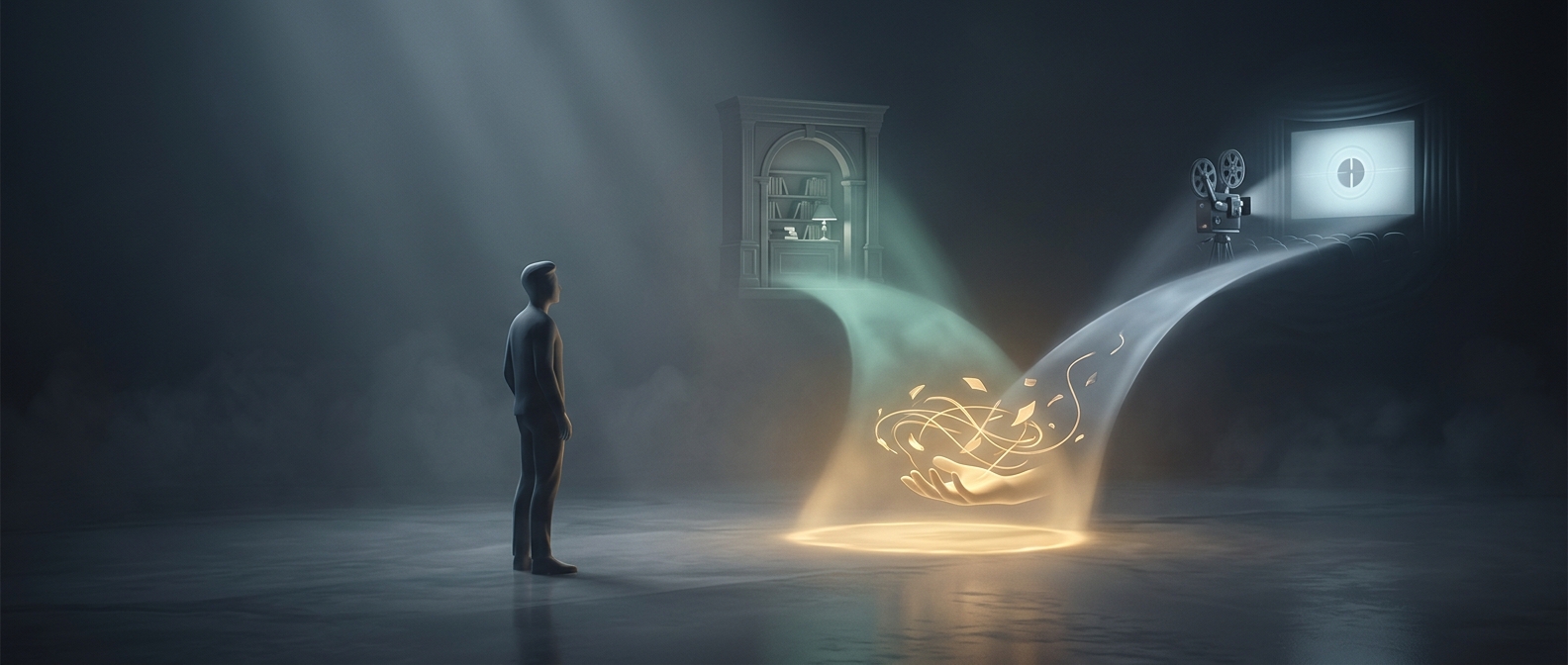
Each time you revisit the story, the scene may become easier to picture. That ease can produce a sense of familiarity—but familiarity does not, by itself, tell you where the image came from. The memory of the content and the memory of its source are related but distinct: you might retain what happened in the story while becoming less certain that you only heard or imagined it.
This is one form of source confusion, the everyday mistake of remembering information but misidentifying how you learned it. Repetition can strengthen the scene while leaving its origin less accessible, making an imagined event feel autobiographical.
Why the distinction matters
The feeling of remembering is not proof that an event happened to you. A confident recollection can still be built from a story, a conversation, or repeated imagination. When a memory matters, it helps to ask not only “What do I picture?” but also “How do I know this happened to me?”