Why feelings can grow louder after dark
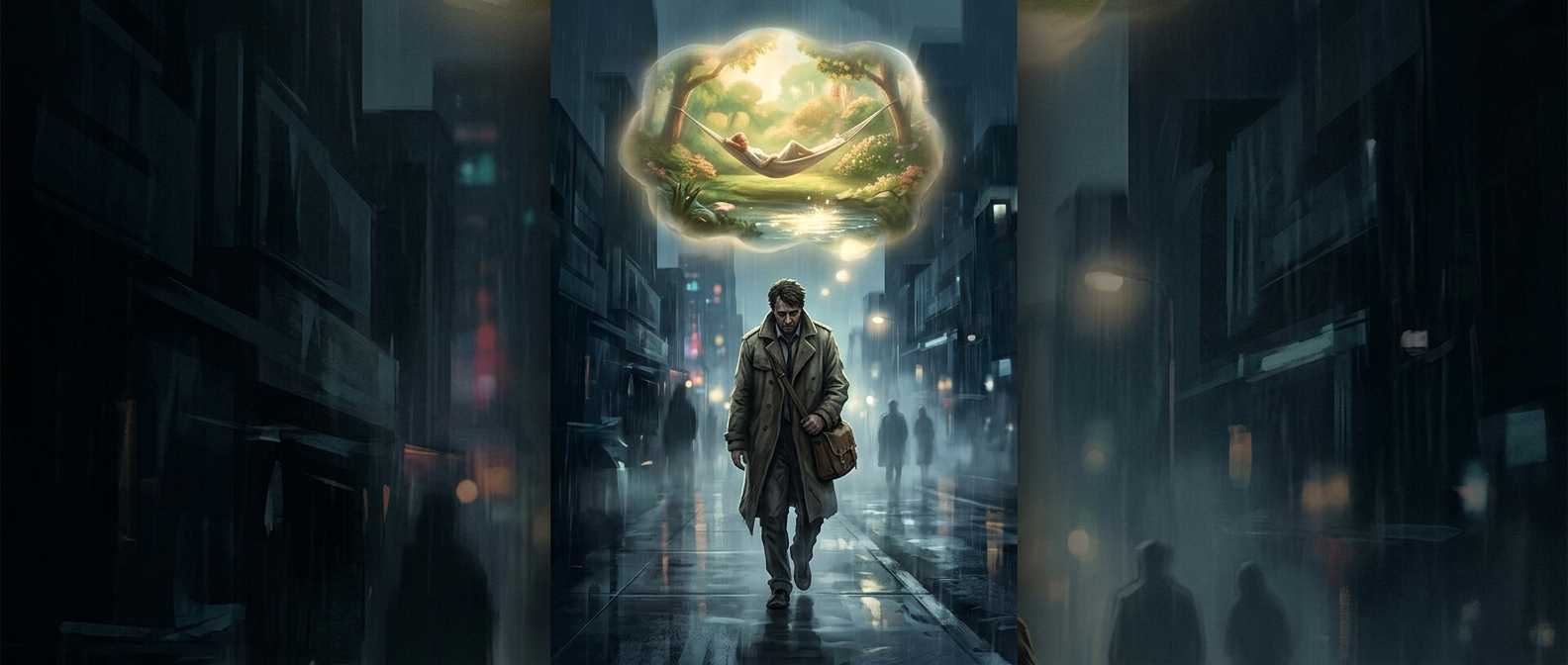
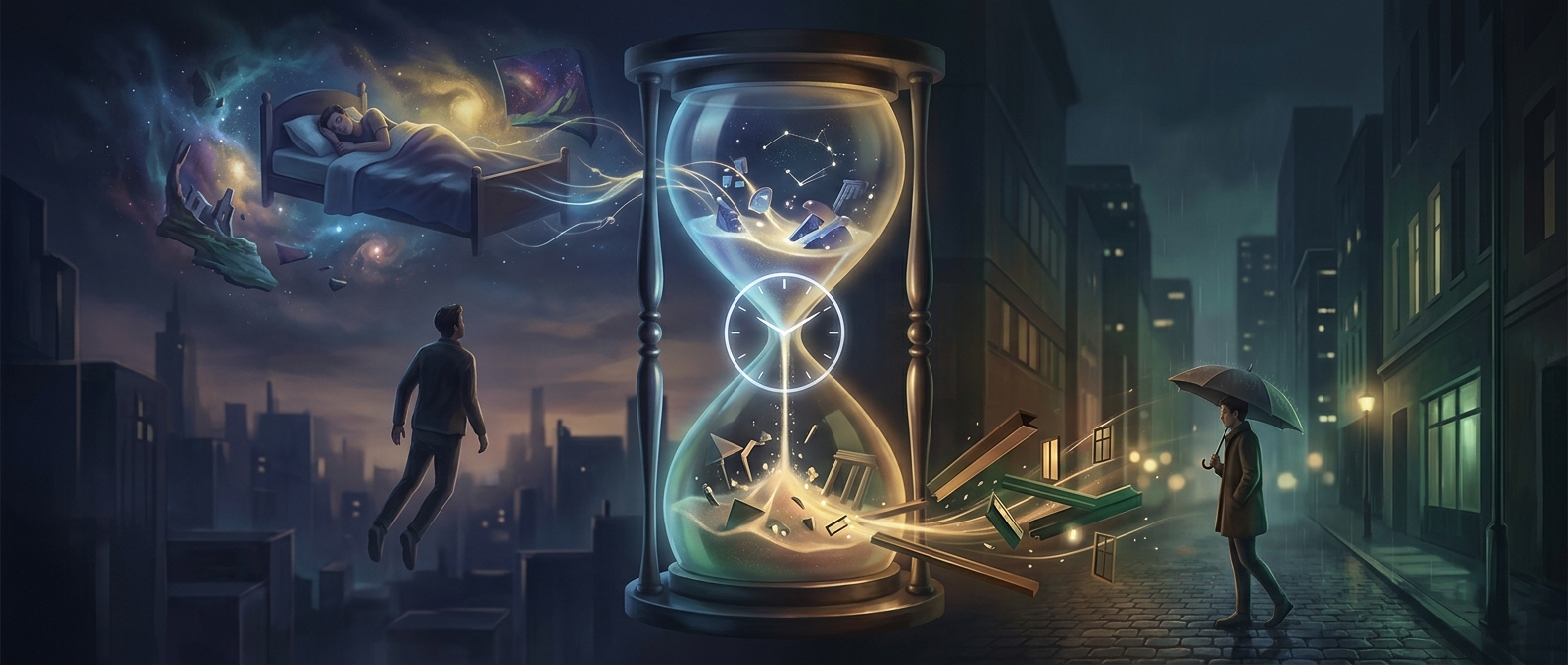
Daytime gives attention plenty of places to go: conversations, errands, screens, and problems that need solving. At night, those demands often fall away. A worry or disappointment that kept getting interrupted can then occupy the foreground—not necessarily because it has become more serious, but because there is less competing for notice.
Fatigue makes emotion harder to manage
Emotional regulation is the ability to notice a feeling without being swept along by it. It takes mental effort: you may need to put a setback in perspective, resist replaying it, or choose what to do next. When you are tired, that effort can be harder to sustain. The same sadness may therefore feel more intense or harder to redirect late in the day.
That does not mean tiredness creates a hidden truth or that every nighttime feeling is exaggerated. It means the mind may have fewer resources for keeping a feeling in proportion while the quiet gives it more room.
Why a small sadness can bring tears
Crying can follow when a feeling becomes difficult to contain, even if the event that first triggered it seems minor. The emotional load may have accumulated across the day, while the final moment simply gave it your full attention. The tears can arrive at night because the feeling finally has room—not because it began then.