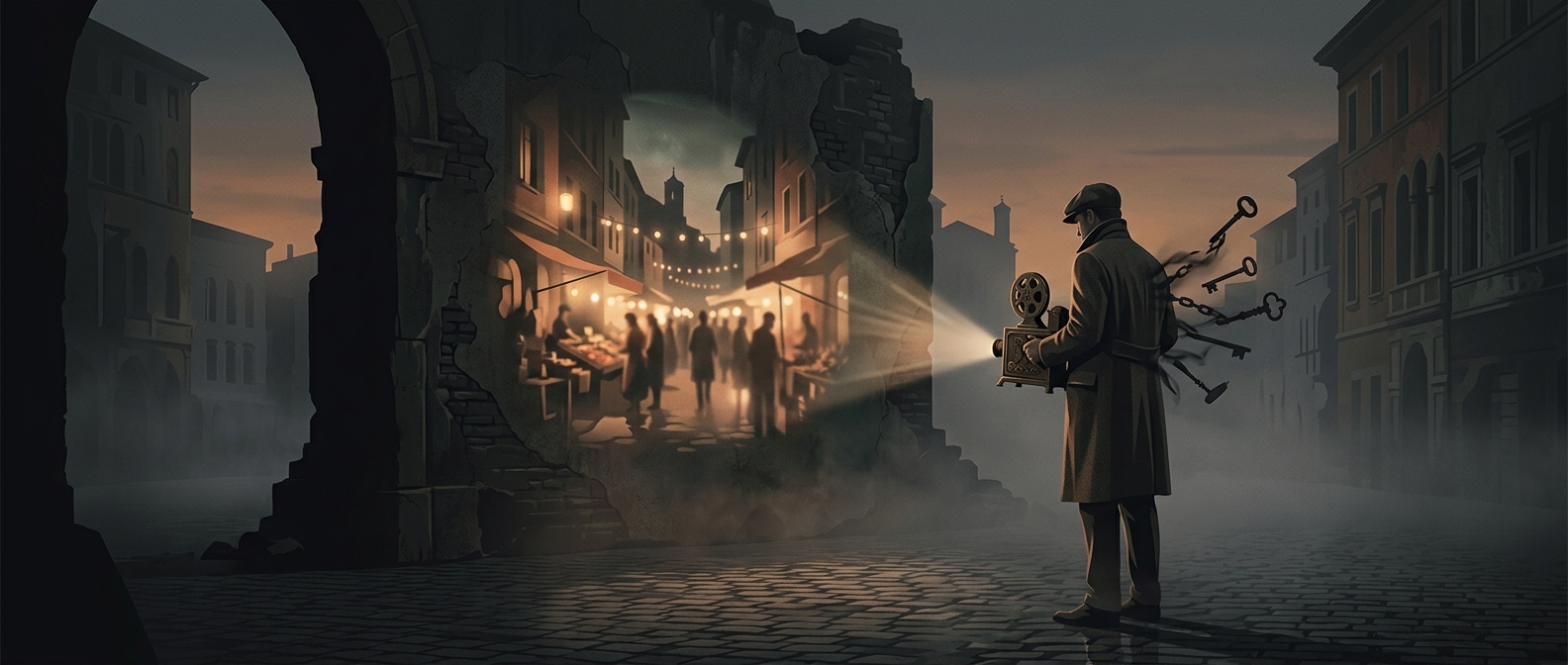
Why a later version of you feels less real
Your mind does not picture every future moment with equal clarity. A plan for tomorrow may include a familiar alarm, a groggy body, and a specific morning routine. A plan for next month is more likely to remain an outline: “I’ll be more rested,” or “I’ll handle it then.” The farther away an event seems, the more its details tend to fade.
That difference matters because decisions are made in the present. The comfort of staying up late is immediate and easy to imagine; the cost of a tired morning belongs to a less vivid version of you. The future person is still you, but their needs compete with the present self’s needs using a weaker mental picture.
How a promise turns into a handoff
This gap helps explain why people can sincerely make plans and later ignore them. When you commit, you may focus on a broad goal—being healthy, organized, or well rested. When the moment arrives, the choice is concrete: keep working, watch one more episode, or get out of bed. The immediate option has a clear payoff, while the future benefit can feel abstract.
The result can resemble passing a cost forward. You get the present convenience; your later self inherits the fatigue, unfinished task, or rushed morning. That does not mean the promise was fake. The person making it simply faced a different set of vivid rewards and costs than the person who must carry it out.
Making the future less abstract
A practical way to narrow the gap is to give a distant plan more specific details: decide what time you will start, what the first step will be, and what obstacle might appear. A concrete plan gives the future moment a more recognizable shape—and makes its consequences harder to treat as someone else’s problem.