How a feared outcome can become a plan
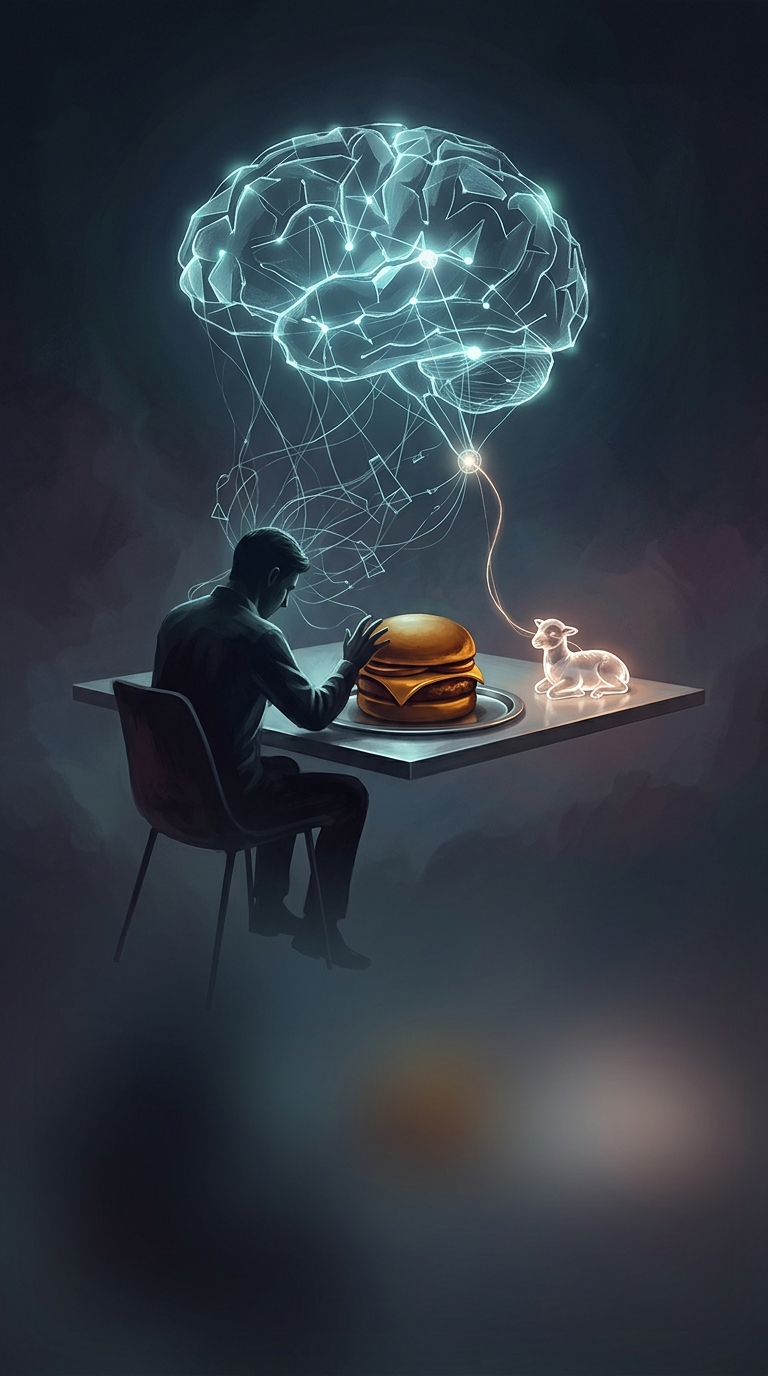
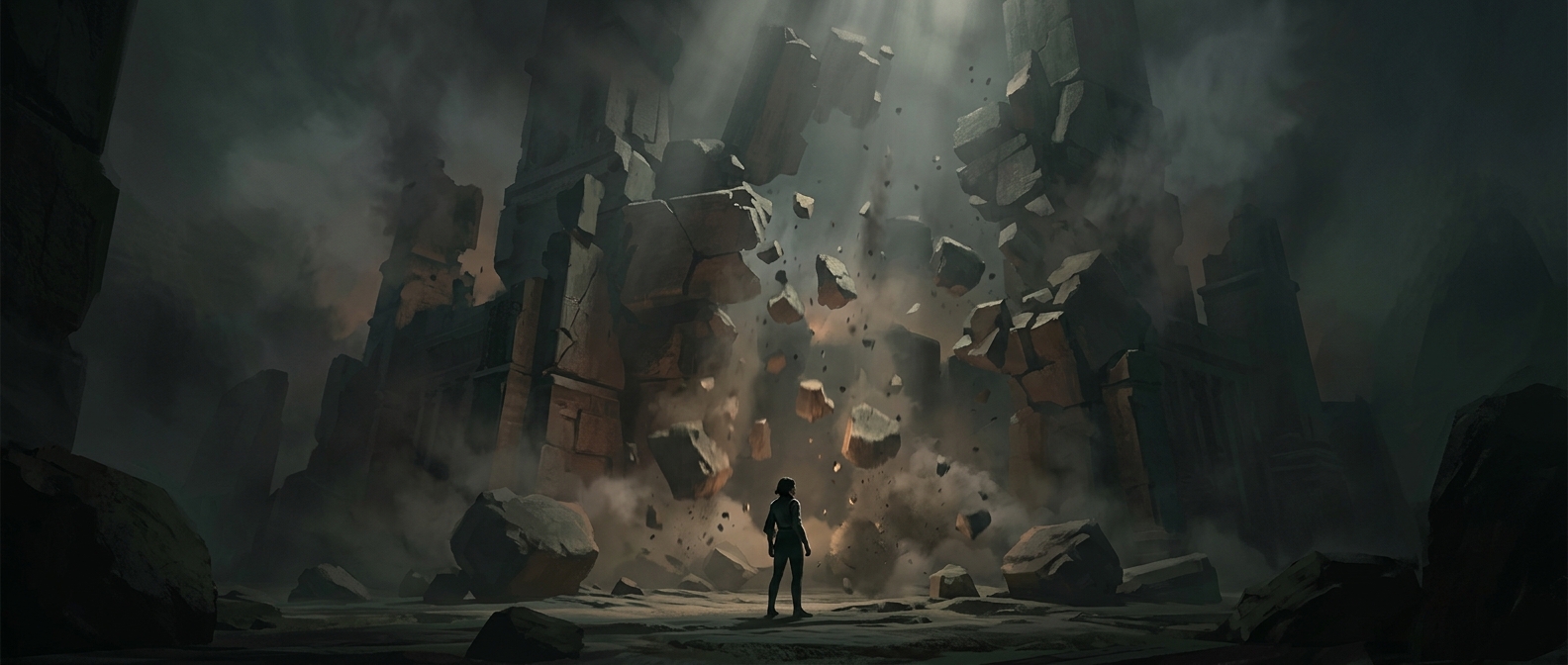
Anxiety often grows in the space between a possible threat and knowing what to do about it. When the danger is vague—“Something will go wrong”—the mind can keep generating possibilities without reaching an endpoint. Deliberately imagining one specific bad outcome can narrow that uncertainty. The person can then ask, “If that happened, what would I do next?”
That shift turns an amorphous alarm into a mental rehearsal. Someone worried about freezing during a presentation, for example, might picture losing their place and decide to pause, check their notes, and continue. The feared scene is still unpleasant, but it now has a sequence and a response. A little predictability can feel safer than an undefined threat.
Why it helps—and where it can stop helping
Planning can make a person feel more capable because it supplies an action to take, even if the feared event is outside their control. It can also reveal that the imagined disaster has manageable steps rather than being one indivisible catastrophe. The relief comes not from proving that nothing bad will happen, but from having considered how to respond if it does.
The distinction is whether the thought leads to a usable plan or keeps looping. Rehearsing a response once may reduce uncertainty; repeatedly replaying every possible failure can feed anxiety instead. The useful endpoint is a concrete next step—then returning attention to what is happening now, rather than treating the worst case as a prediction.