Why an Audience Changes the Way You Perform
A person watching you can make a familiar action feel more urgent. Psychologists call this social facilitation: the presence of other people tends to strengthen the response that comes to mind most readily. That response is often useful when the task is simple or well practiced, but less reliable when the task requires careful thought or a new strategy.
Practice Makes the First Response More Useful
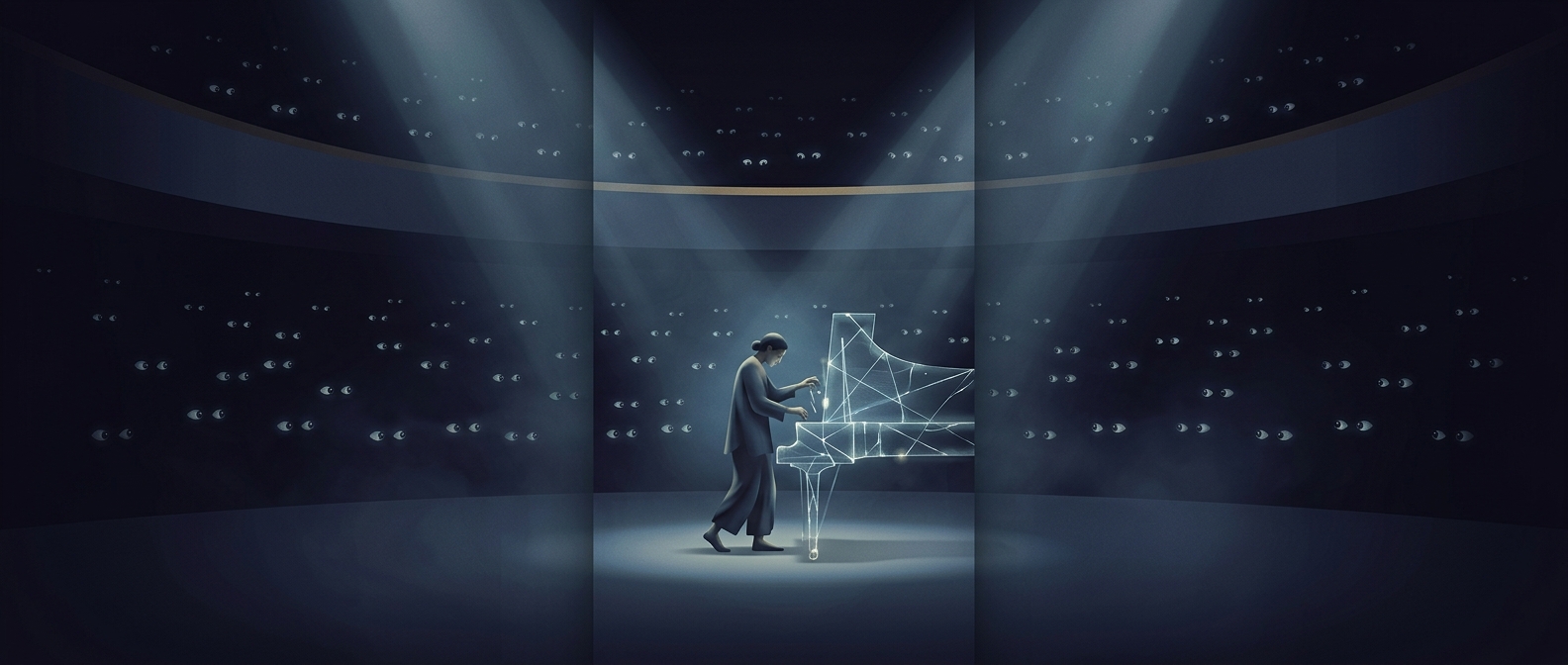
Imagine a pianist playing a piece rehearsed hundreds of times. When someone listens, the performer may feel more alert, and the practiced movements can come out with extra speed or energy. The audience has not taught the pianist anything; it has amplified a response already made easy through repetition.
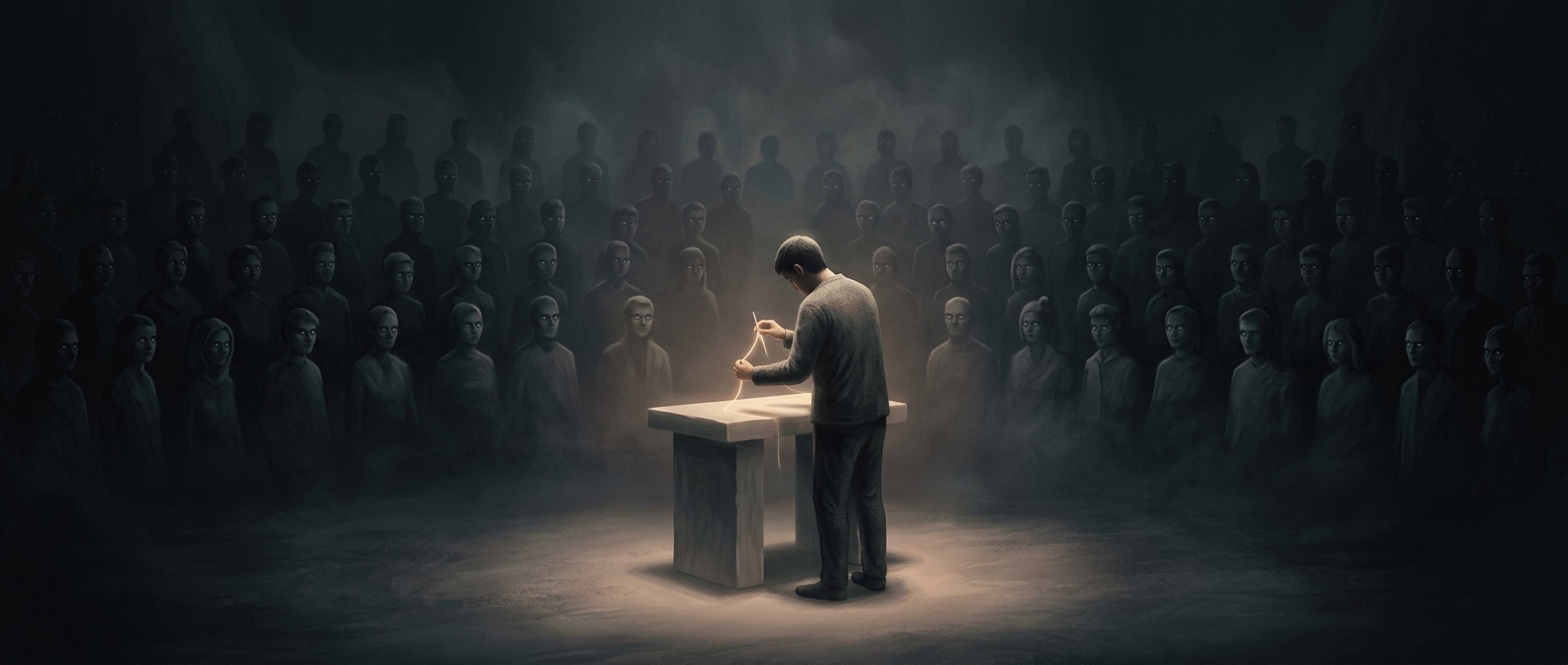
Now consider solving an unfamiliar puzzle while someone looks over your shoulder. The first guess may arrive before the slower work of checking alternatives. If that guess is wrong, heightened alertness can make it harder to pause and reconsider. The same boost that helps a practiced response surface quickly can push an untested one to the front.
The Useful Distinction Is Familiarity
“Easy” and “hard” are not fixed labels. A task may be difficult for a beginner but automatic for an expert. What matters is whether the best response has become the most accessible one. Watching a seasoned driver park in a tight space may sharpen a familiar routine; watching a novice attempt the same maneuver may add pressure to decisions they have not yet learned to make smoothly.
This is why an audience can be an advantage during a well-rehearsed performance and a distraction during a first attempt. When accuracy depends on a new or complex sequence, reducing the sense of being watched—or practicing until the steps become familiar—can give careful thinking more room to work.