How an audience crowds working memory
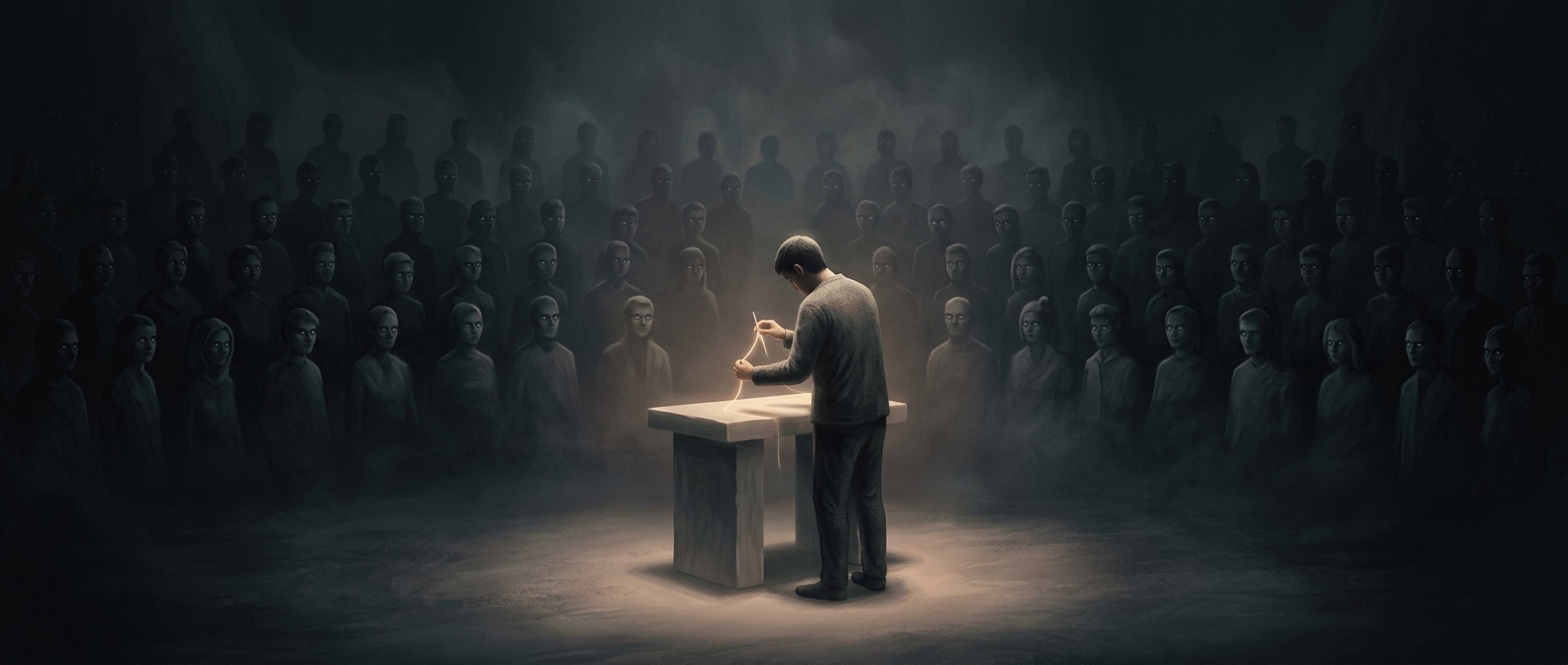
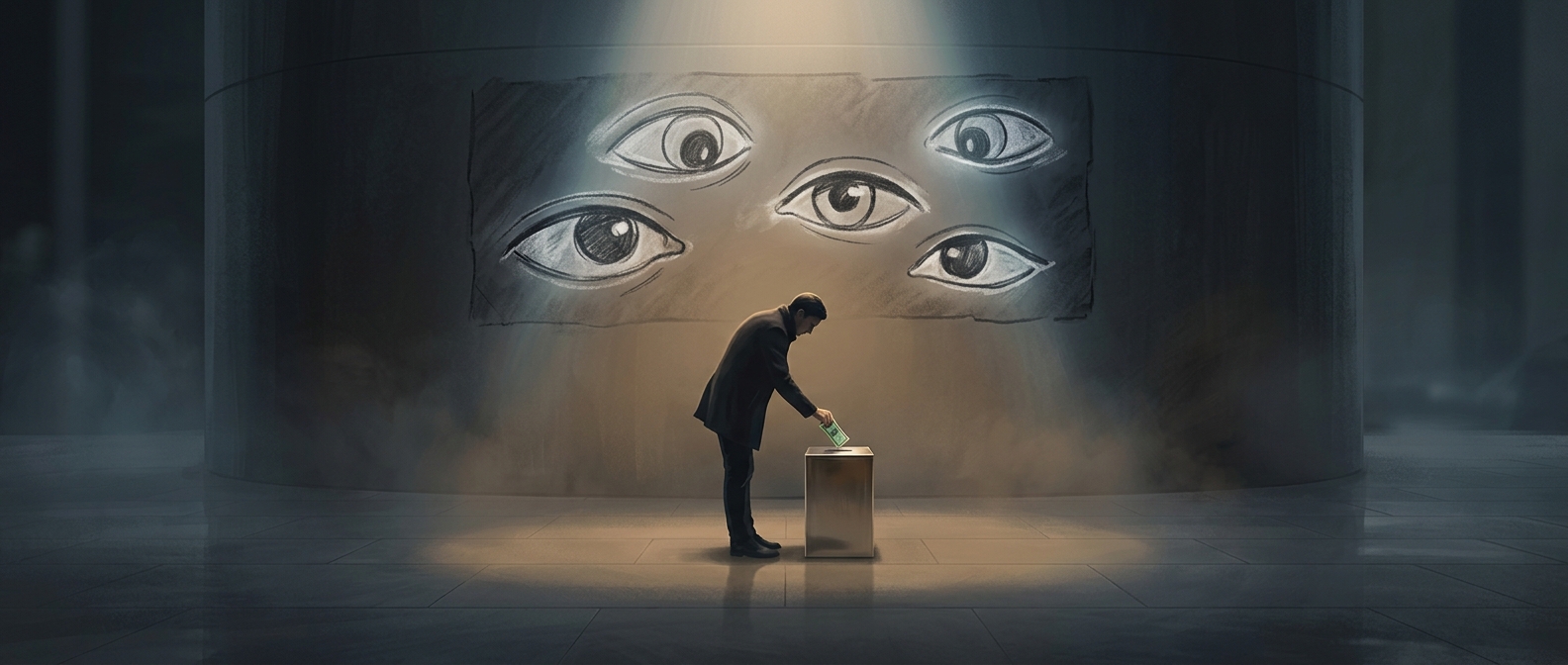
When people watch, attention can split between the task and the self. Instead of using all your mental effort to solve a problem, retrieve a fact, or carry out a familiar action, you also monitor how you appear: Am I taking too long? Did that sound foolish? Those checks may feel brief, but they compete with the task for working memory—the limited mental workspace used to hold and manipulate information in the moment.
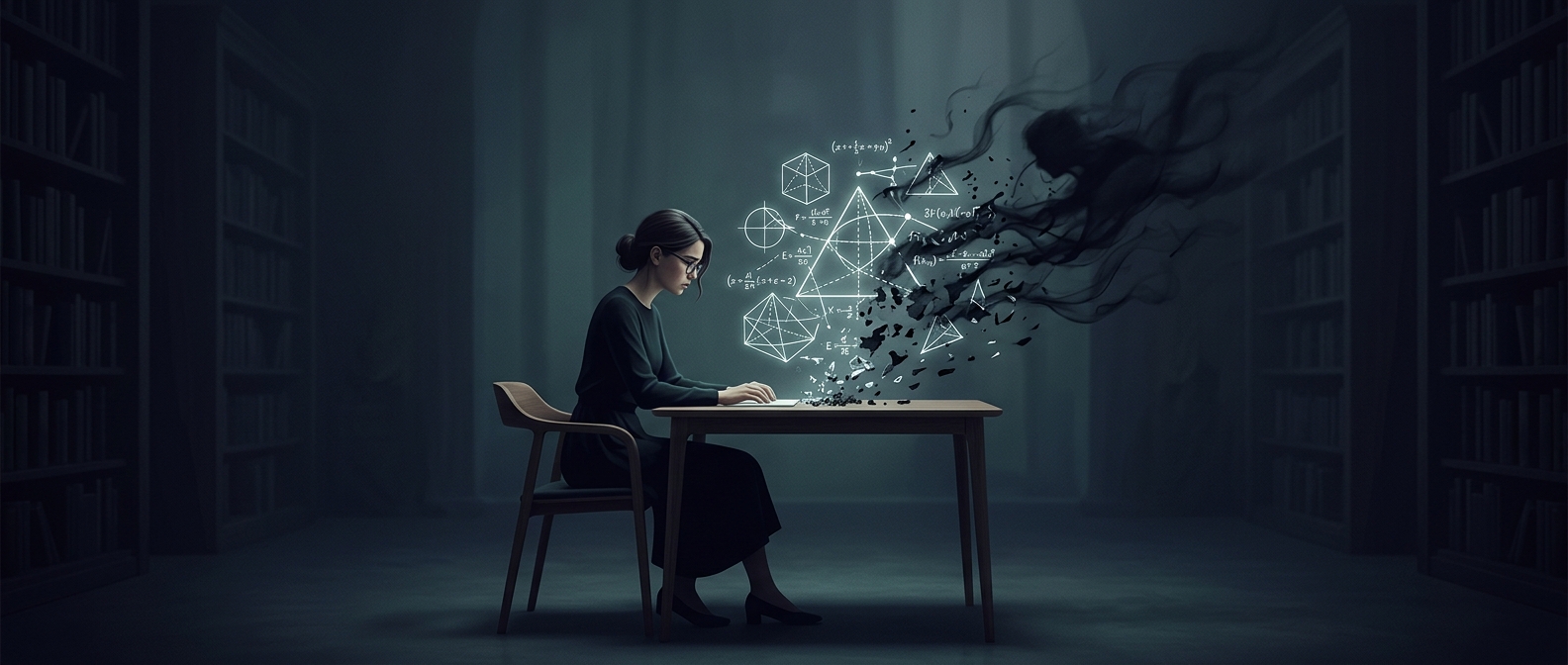
That helps explain why an answer can seem obvious in private and go missing when someone asks for it in front of others. The audience has not necessarily erased the knowledge. The pressure has made it harder to reach and use while attention is divided.
Why practiced skills can suffer, too
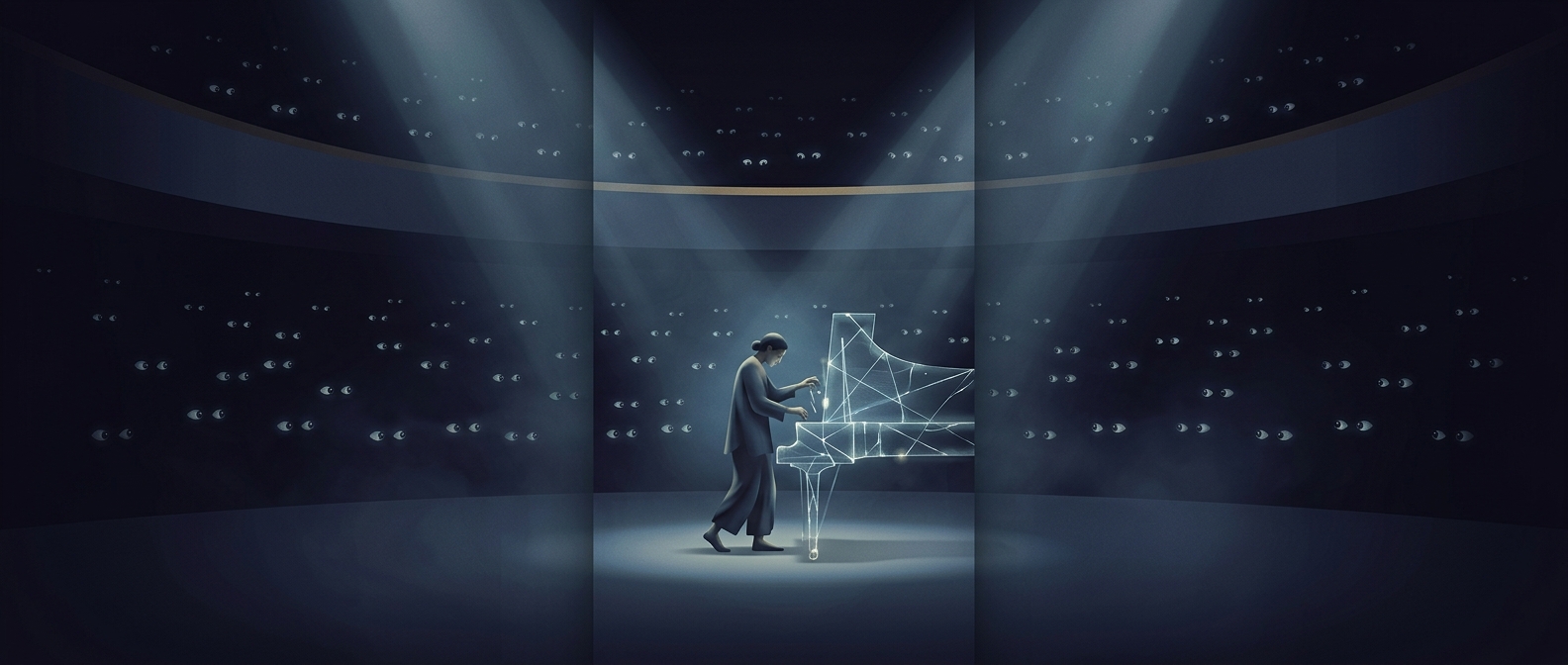
An audience can interfere even when the task is well learned. With practice, some actions become smooth enough to run with little conscious attention. Under scrutiny, a person may start inspecting each step—thinking about the movement instead of letting the practiced sequence unfold. That extra control can interrupt the very fluency that practice built.
The effect depends on the task. A simple, familiar action may benefit from extra alertness, while a demanding task that requires careful thought can suffer when attention is pulled toward self-evaluation. Being watched does not automatically make performance worse; it changes what the mind is spending effort on.
The audience changes the mental workload
This is why a pause under pressure is not reliable evidence that someone lacks knowledge or skill. Part of the person’s attention may be busy managing the social situation rather than doing the task. In a presentation, for example, worrying about a stumble can make it harder to recall the next point—then the visible pause creates another reason to worry.
The practical implication is concrete: reducing the feeling of being judged, or directing attention back to the next task step, can free mental space that self-monitoring was using.