Psychology
Discover facts about psychology. Small discoveries that change the way you see familiar things.
Psychology
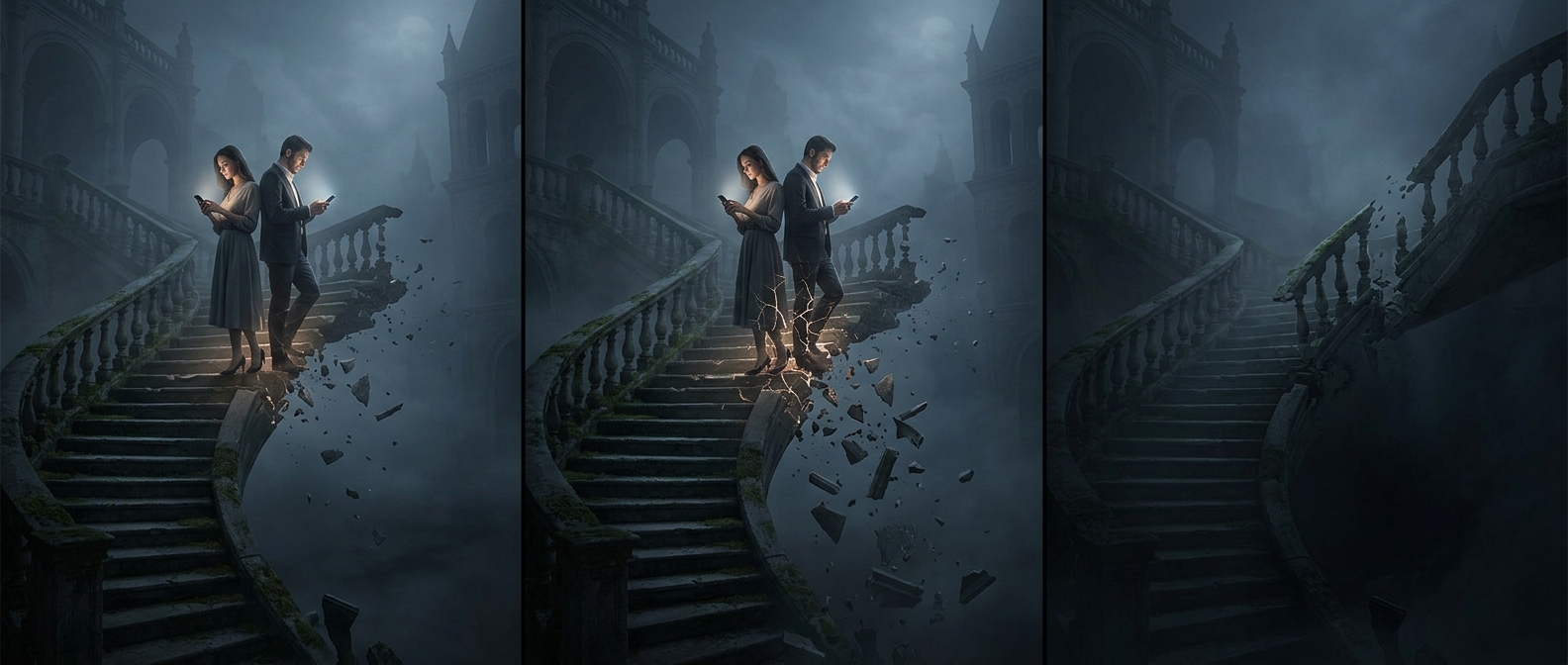
Making a relationship visible can be a way to seek reassurance
A 2014 study linked anxious attachment with a stronger desire to display a relationship on Facebook. A couple's photo can therefore do more than preserve a…
Discover more
The travelers who pack everything into one tiny bag
Travelers who fit everything into one small bag make the space limit do the arguing for them. With no room for five backup outfits, they have to choose what…
Discover more
Why waiting for trouble can feel worse than trouble
An approaching problem can occupy the mind like a door that might open at any second. You scan for signs, imagine outcomes, and stay braced. When the trouble…
Discover more
How magicians make you choose their card
The trick often happens before the card is revealed: the magician guides your hand or attention so one option becomes unusually likely. Because you still make…
Discover more
The hidden chair behind “floating” street performers
The trick works because a concealed seat and support hold the performer up while the costume hides the structure. Once your eyes cannot see what is bearing…
Discover more
Your shoes may shape first impressions before you speak
A pair of shoes can do the talking before its owner does. Observers use footwear to make snap judgments about traits and social status, turning wear, style,…
Discover more STACKY FOR IPHONE
A bigger world.
One discovery
at a time.
Keep discovering with Stacky. Interesting facts in an app that is always within reach.
Why silence can feel threatening after a chaotic childhood
If childhood was chaotic, silence may not register as safety. A child who had to watch for the next argument or sudden change can learn to treat calm as the…
Discover more
Why interrupting someone can be a power move
When you interrupt, you make someone else stop and redirect their attention to you. That can be a way to steer the conversation—and to signal that your words…
Discover more
Animism gives souls to inanimate household objects
A creaking door can seem moody; a stubborn appliance can feel personally defiant. Animism applies the mind's social instincts to nonliving things, treating…
Discover more
An unfinished chore can keep reopening in your head
Finishing a task gives your mind a clear stopping point; interruption leaves the plan open. That unfinished intention can keep resurfacing—a sink with a few…
Discover more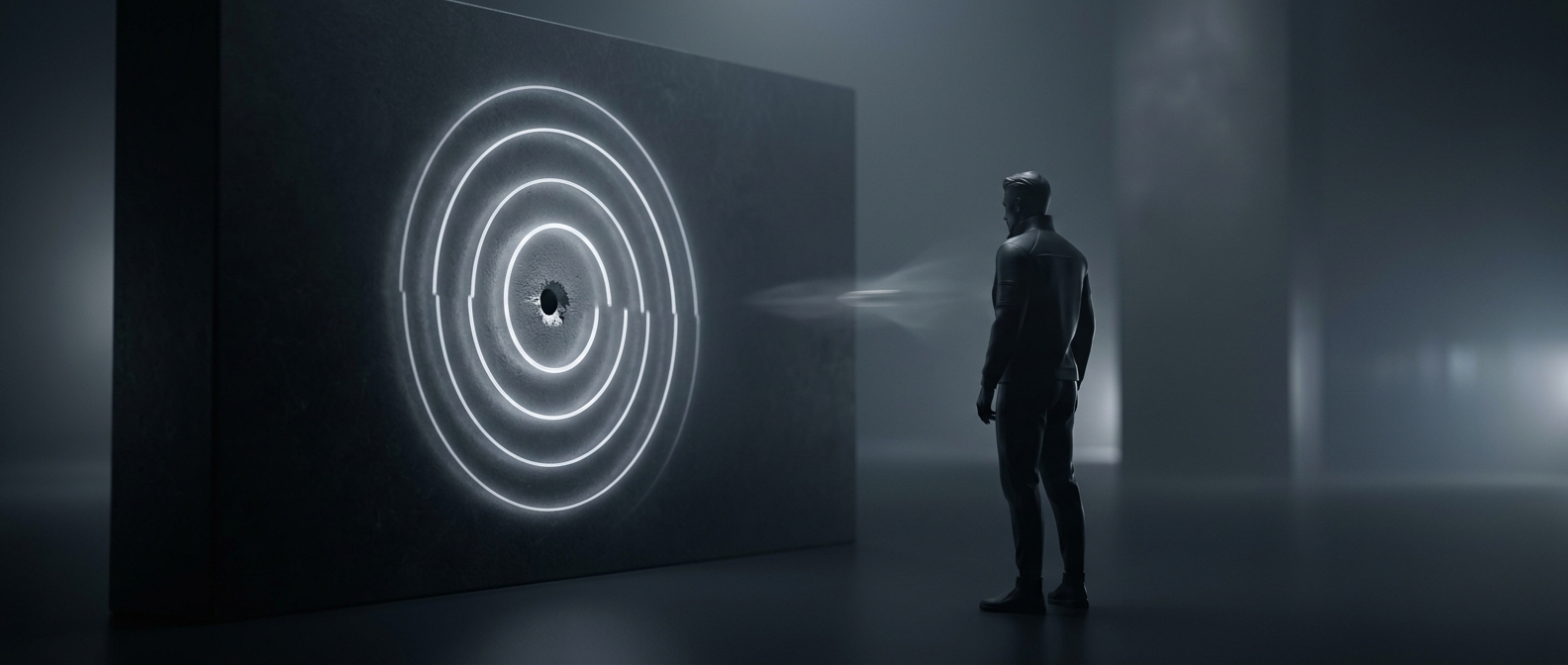
How the Texas sharpshooter fallacy fools you
Imagine firing shots across a wall, then drawing a target around the tightest cluster. That is the Texas sharpshooter fallacy: notice a pattern after the…
Discover more
Why congenital blindness and schizophrenia rarely overlap
Congenital blindness reshapes the brain while it is still developing, including visual areas that later-born visual experiences would normally shape.…
Discover more
Regretting a choice can make you defend it harder
Regret says, “I chose badly”; your mind would rather keep the story that you’re a good judge. So it may highlight the jacket’s quality, dismiss the price, or…
Discover more
Why sour candy can interrupt anxious spirals
A lemony, face-scrunching bite is hard to experience on autopilot. Its sharp taste gives attention something concrete to track, interrupting the stream of…
Discover more
Why modern life can trigger existential dread
Modern life hands people an exhausting amount of choice: what to believe, what matters, who to become. Without a shared answer settling those questions, the…
Discover more
Why rejection can cloud your thinking
After rejection, part of your attention can get stuck on the social threat: What did I do? What do they think of me? That internal replay leaves less mental…
Discover more
Sleep enuresis is the clinical term for wetting the bed
A doctor may call bedwetting during sleep “sleep enuresis.” The formal phrase can sound daunting, but it simply names what happened: urine was released while…
Discover more
Why coincidences feel more magical than they are
Your mind is built to notice patterns, so two events that line up can feel like a message. But you encounter far more chances for unrelated things to coincide…
Discover more
Assuming your subjective perception of reality is perfect
A coworker says your comment was rude; you remember it as straightforward. Each person experiences their own interpretation as the facts, not as a guess…
Discover more
A child can know a secret and assume you know it too
A young child who watches a toy being hidden may have trouble predicting the search of someone who missed the hiding. Separating 'what I know' from 'what you…
Discover more
A weekend away can feel longer when you remember it
At home, Saturday and Sunday can blur into the same familiar rooms. On a trip, new places and experiences create more separate memories, making the weekend…
Discover more
Online outrage also tells your group whose side you're on
An outrage post can do more than express anger: it can show your group whose side you’re on. Condemning a villain or injustice signals shared values, and…
Discover more
Why highlighting one thing can hurt your memory
A bright stripe can fool you into feeling that the important words are already in your head. But memory grows when you retrieve an idea and connect it to…
Discover more
Mozart won't make your baby smarter
A baby may enjoy music, but Mozart’s notes don’t turn into extra intelligence. The famous “Mozart effect” came from a brief improvement on some tasks after…
Discover more