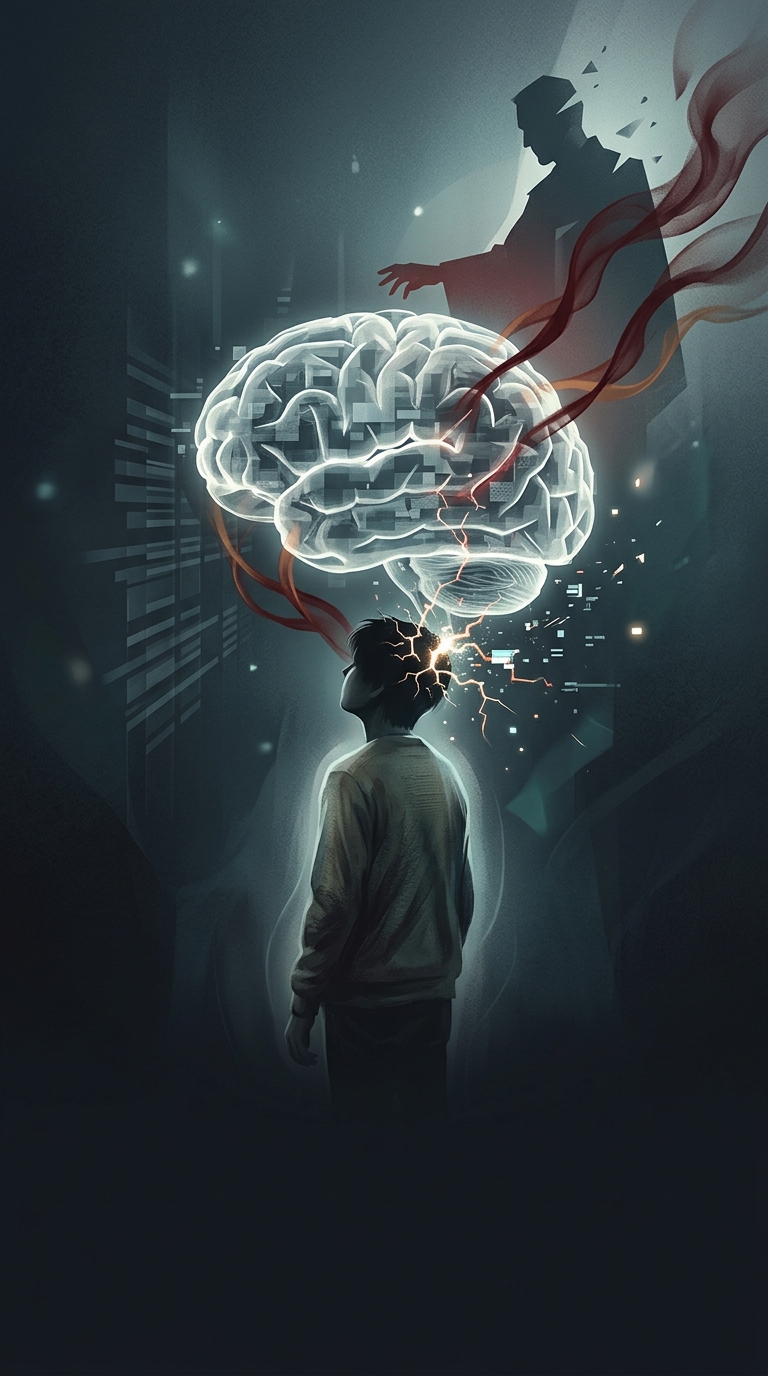
A narrow test result became a much bigger promise
The “Mozart effect” began as a claim about performance on particular spatial-reasoning tasks: after listening to music, people sometimes did a little better for a short time. Spatial reasoning means mentally handling shapes and arrangements, not general intelligence. A brief change on one kind of test is not evidence that a child’s underlying abilities have permanently grown.
The leap from that limited finding to “Mozart makes babies smarter” skips both the age group and the outcome. A temporary test advantage in listeners does not establish a lasting developmental effect in infants. Music can change how alert or engaged someone feels, which may influence how they perform in the moment without changing what they are capable of learning over time.
What music can contribute instead
For a baby, music is an experience, not an intelligence treatment. A familiar tune can hold attention, soothe, or become part of a shared routine. When an adult sings, pauses, and responds to the baby’s sounds or movements, the musical moment also becomes an exchange: the child makes a cue, and someone answers it.
That distinction matters. Playing a symphony in the room may make a pleasant soundtrack, but it is not a shortcut to cognitive development. The more meaningful part may be what happens around the sound—attention, interaction, and repeated opportunities to explore. The practical takeaway is simple: choose music because you and the baby enjoy it, not because a composer’s name promises extra intelligence.