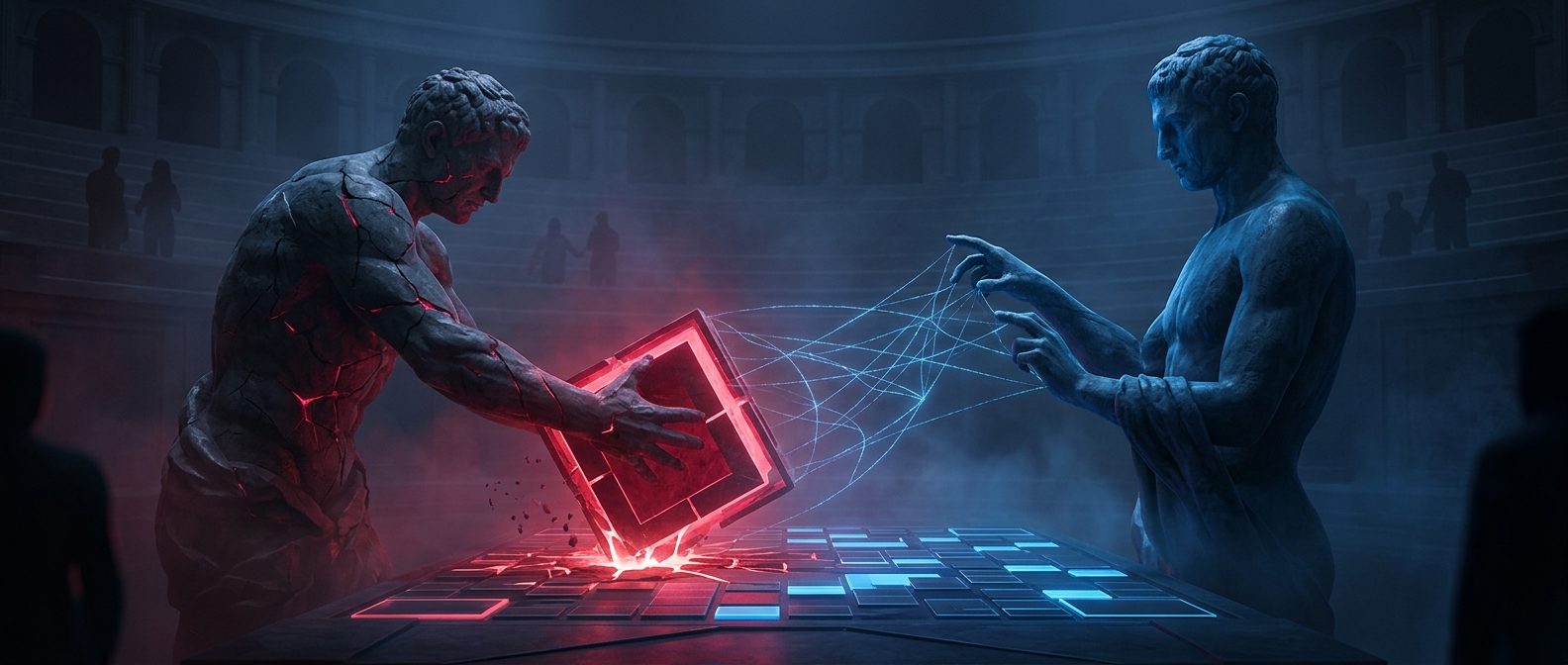
A choice can be guided without feeling forced
A magician does not always need to steer your hand. Often, the work is subtler: a sequence of instructions, a pause, a gesture, or a glance makes one card or one action stand out from the alternatives. When you act, the choice feels like yours because you performed the final movement yourself.
That feeling reflects how we remember decisions. We tend to focus on the moment we picked, not on the small cues that shaped what seemed natural to pick. If the magician then reveals the predicted card, the surprise can make the earlier nudges hard to notice.
The method depends on keeping the choice flexible
Some tricks use a force: a technique that makes a particular card likely to be selected while preserving the appearance of a free choice. The magician may control which cards are visible, how they are presented, or when you are asked to act. In other routines, the performer watches what you do and adjusts the next step, so the outcome is guided rather than fixed from the start.
The key is that a successful routine need not make every option equally likely. It only needs the audience to experience the decision as open. That is why the decisive moment often feels so convincing: you remember choosing, while the conditions surrounding the choice fade into the background.