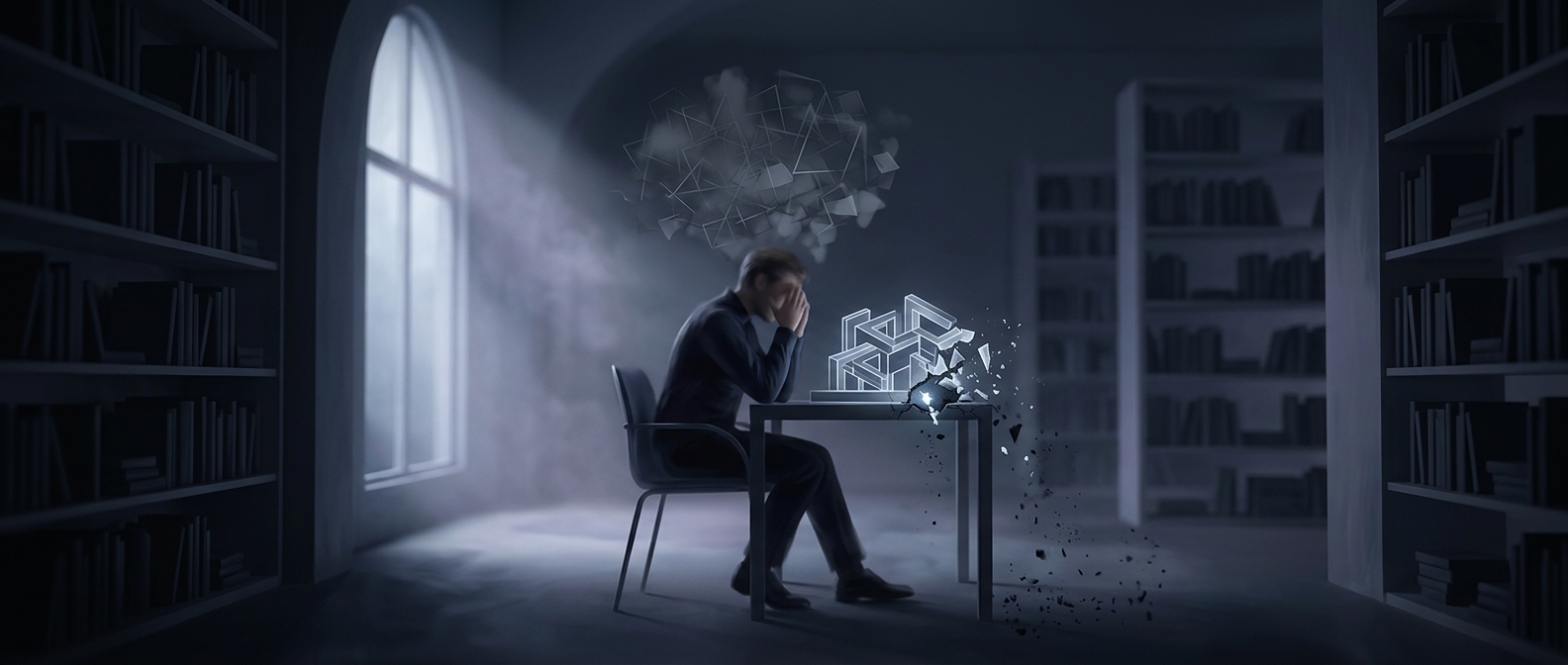
Why social rejection can hijack your attention
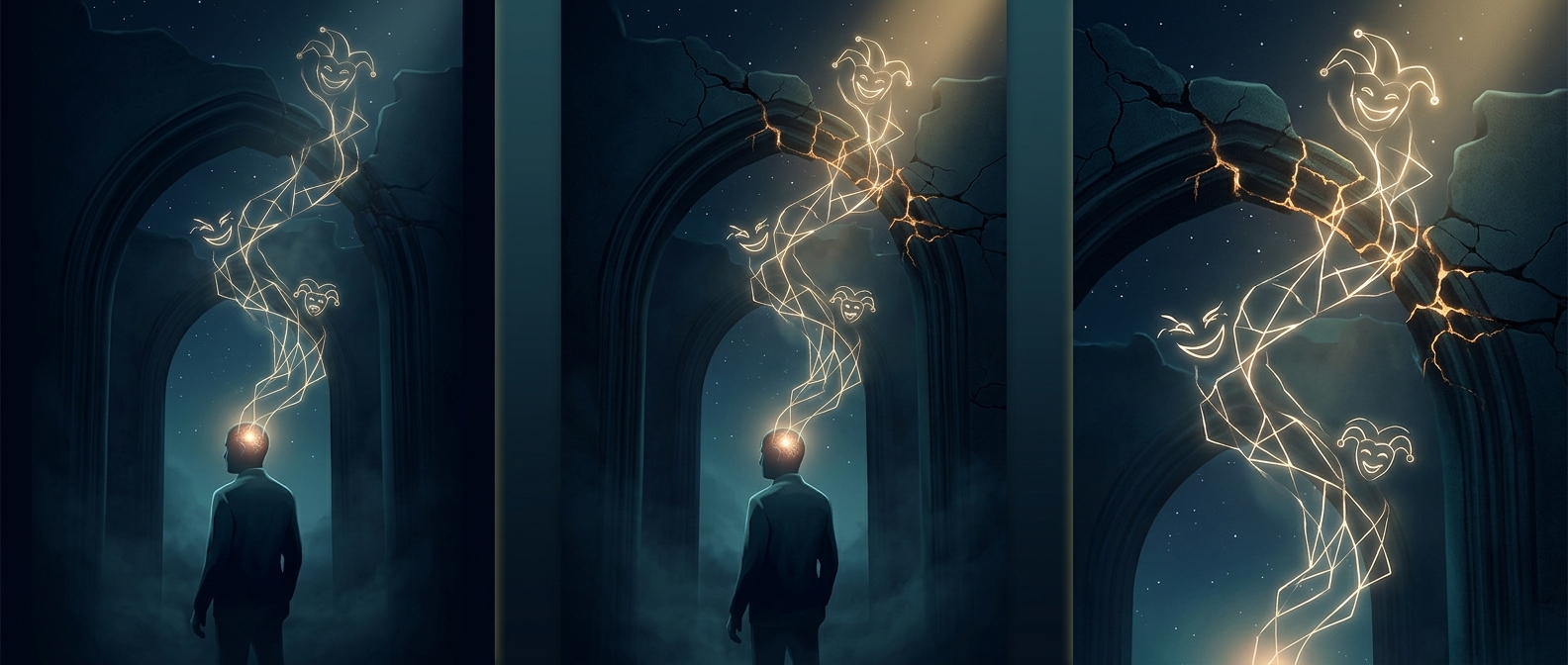
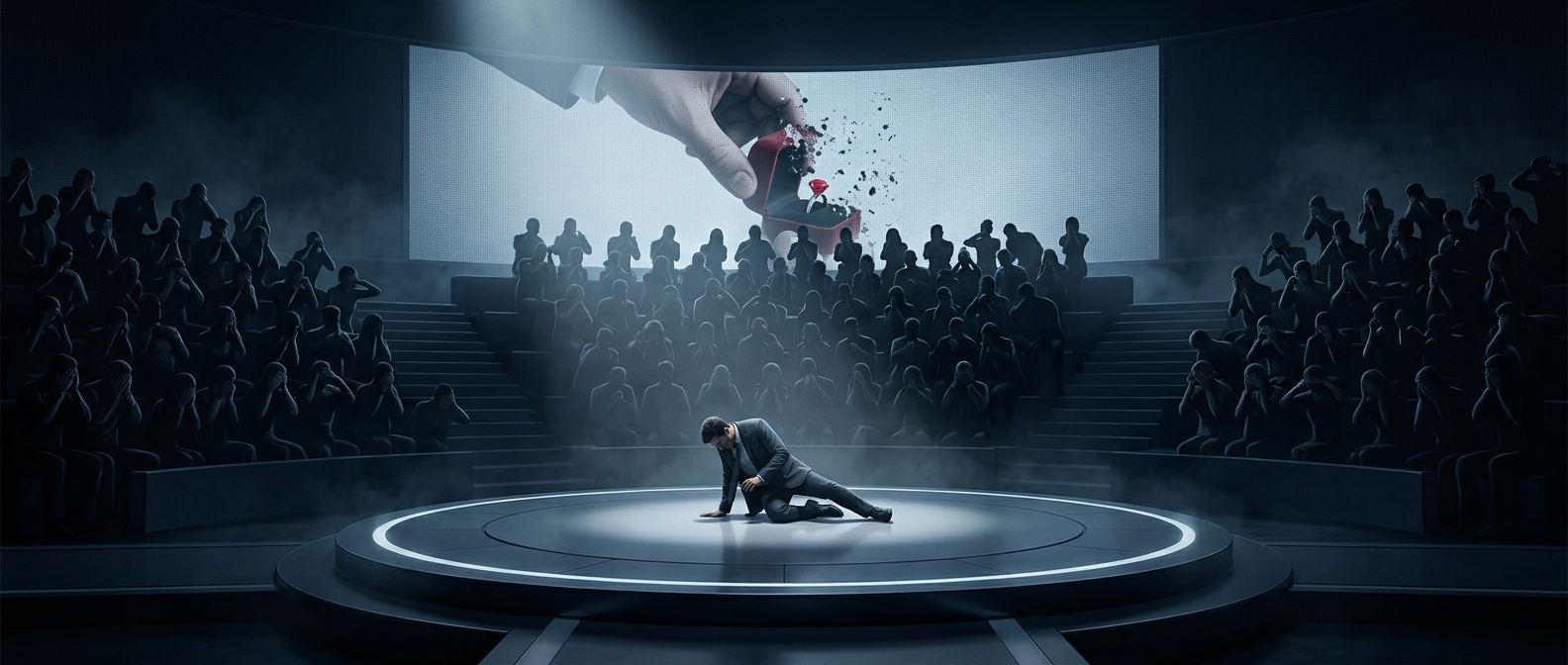
A rejection is not just an unpleasant feeling; it can become an unfinished problem your mind keeps trying to solve. When someone turns you down, excludes you, or stops responding, you may search for an explanation: Was it something I said? Could I fix it? What happens next? Because the answer is uncertain, the question can keep returning even when you want to focus elsewhere.
The mind keeps checking for clues
This replay uses working memory—the limited mental workspace that holds information while you use it. You might be trying to compare figures in a spreadsheet while also reconstructing a conversation, imagining how you came across, and checking your phone for a reply. Those thoughts compete for the same workspace, making it harder to follow steps, weigh options, or notice a mistake.
Social uncertainty can also keep attention scanning for clues. A short message or a delayed response may seem newly significant, so you revisit it for meaning. But repeated review does not necessarily produce a clearer answer; when the other person’s motives are unknown, the mind may circle the same evidence instead.
Why judgment can suffer, too
With less attention available for the task at hand, decisions may become more rushed or more hesitant. You might send another message to relieve the uncertainty, or put off a decision because you are busy imagining how it will be received. The rejection has not changed the spreadsheet or the choice itself; it has changed how much mental capacity is left to handle it.
That is why an unanswered message can feel present even when the phone is face down: the unresolved social question is still competing for the mind’s next bit of attention.