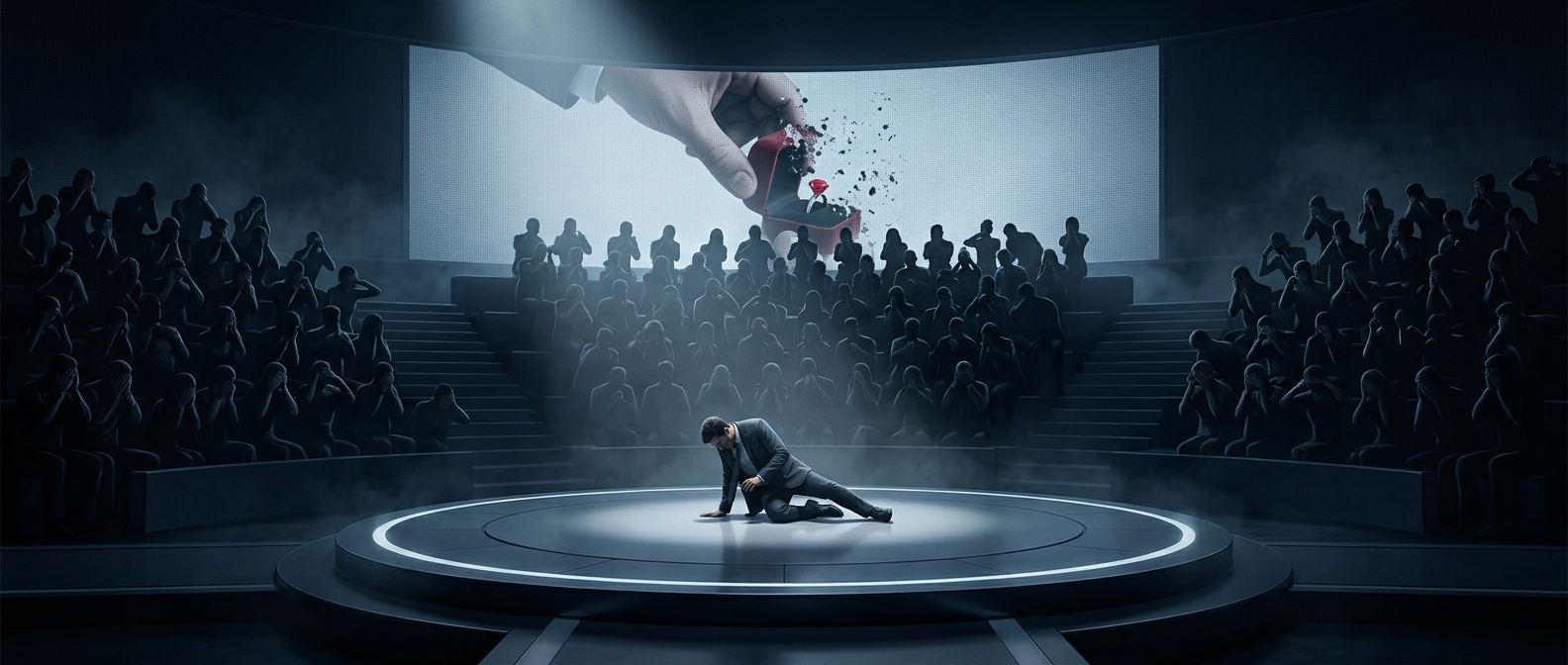
Why a Public Proposal Can Change the Question
A proposal is usually framed as a choice between yes and no. In front of cameras, that choice comes with another problem: deciding how to respond while other people are watching. The person being asked may be thinking not only about the relationship, but also about the partner’s hopes, the crowd’s reaction, and what a refusal would look like on video.
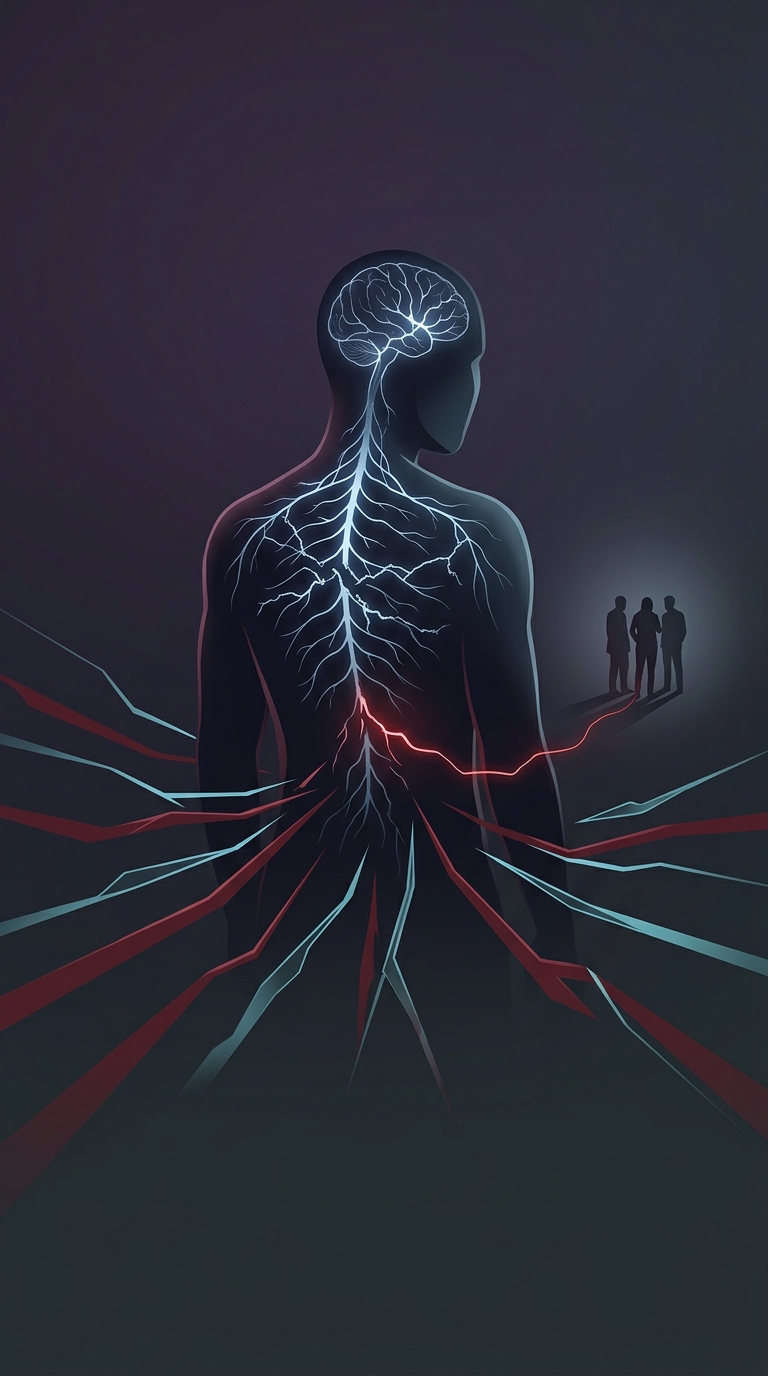
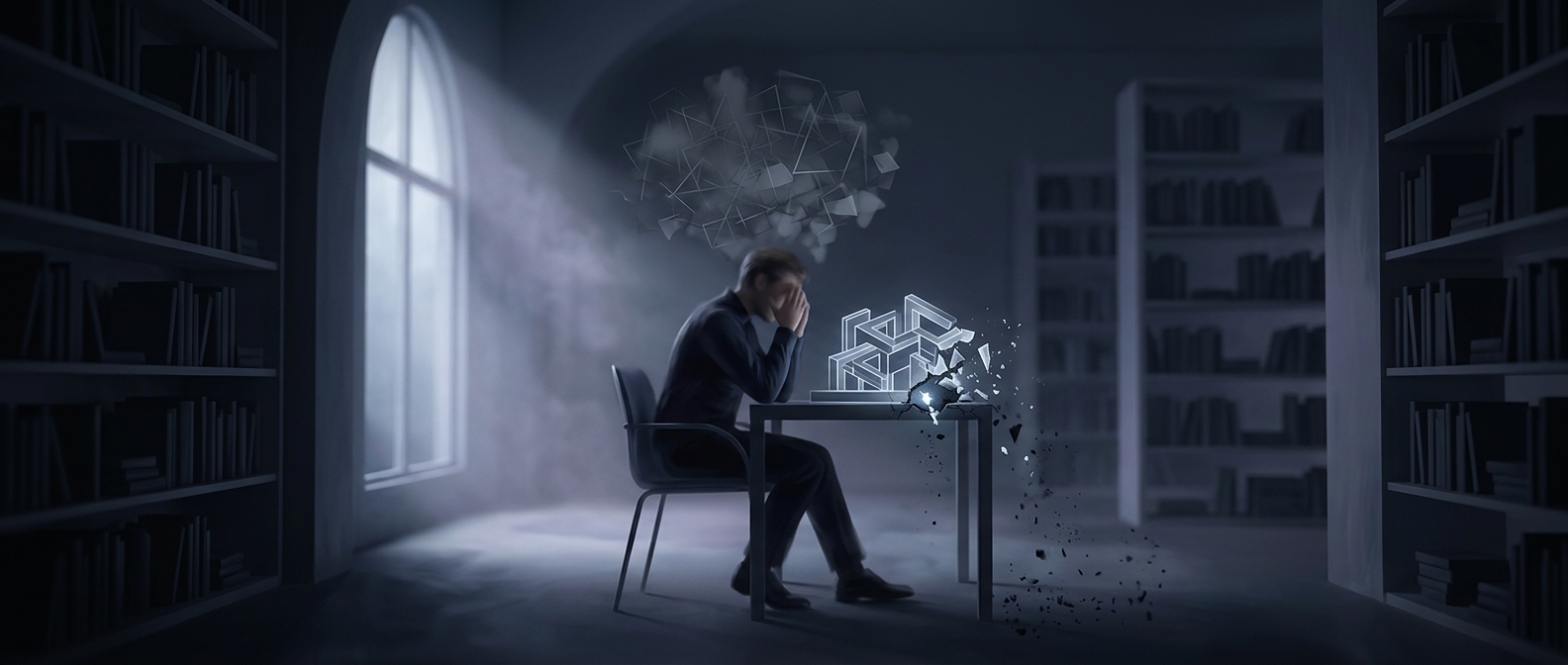
That added pressure can make it harder to notice and express what they genuinely want. Attention gets pulled toward managing the scene—keeping composure, reading the room, avoiding embarrassment—instead of weighing the commitment itself. A person may freeze, laugh, or say something quickly simply to get through an intense moment. None of those reactions, on its own, reliably reveals what they would choose in private.
An Answer Is Not the Same as a Free Choice
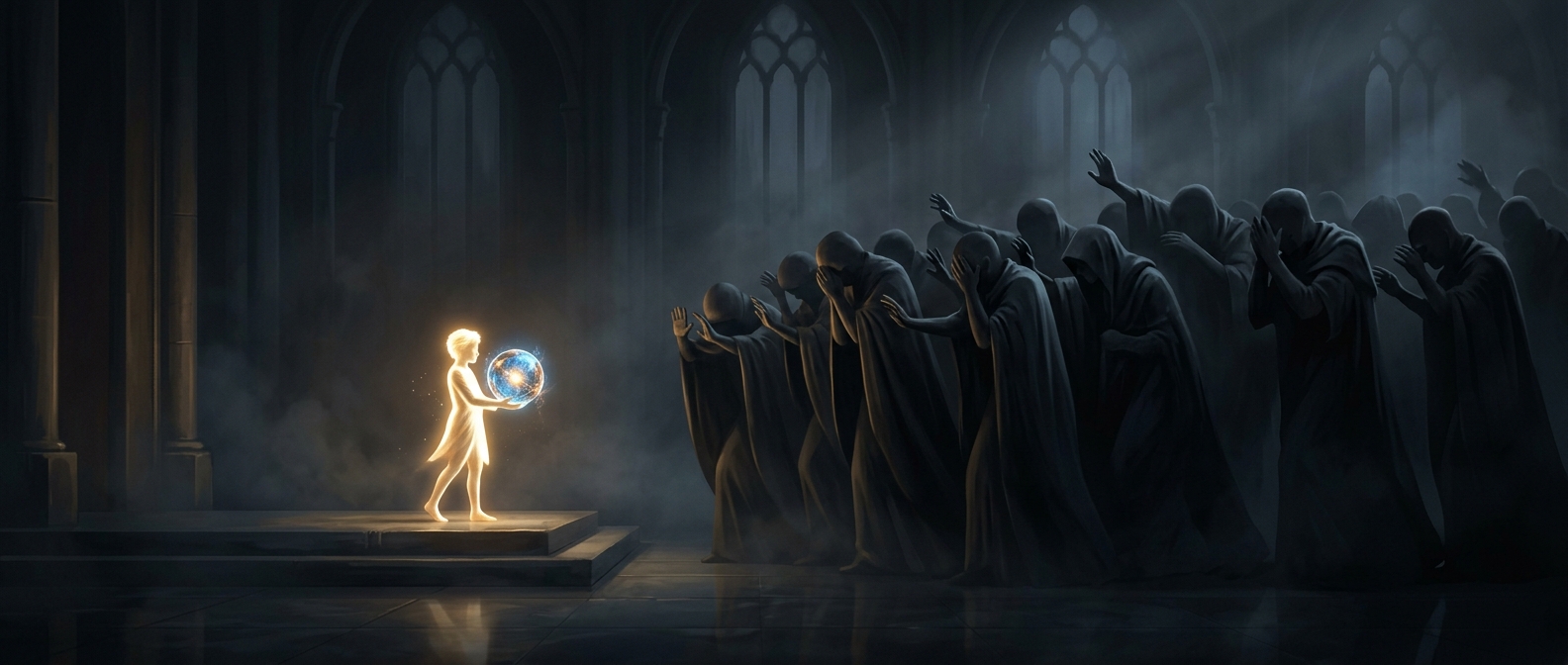
The audience does not have to threaten or even speak for its presence to matter. When a decision is made under public scrutiny, the person may feel responsible for protecting the proposer from humiliation and the crowd from disappointment. That can make “no” feel socially costly, even when it is the honest answer.
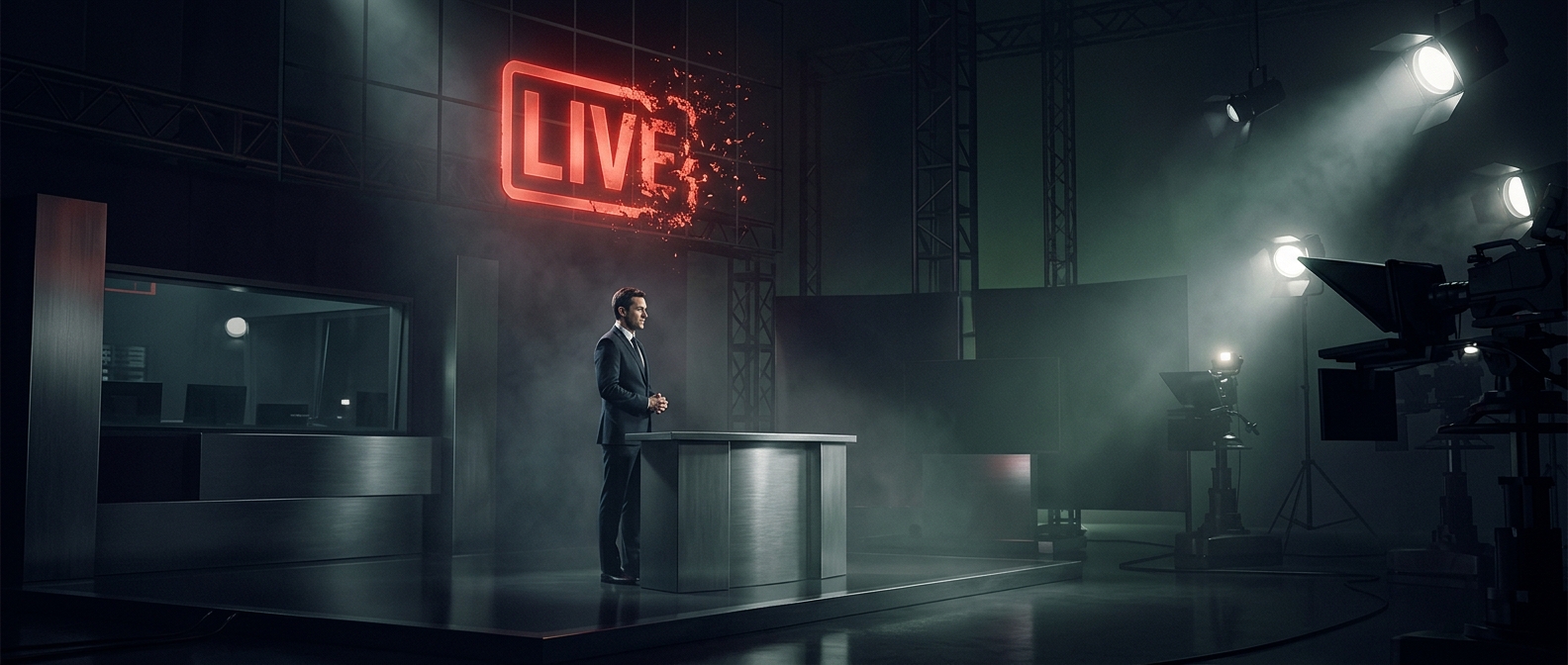
A proposal staged for television therefore changes the conditions of the decision, not just its backdrop. A public “yes” may express real excitement, but it may also be a response to the immediate pressure; a public refusal may be more painful and exposed than a private one. The clearest indication of what someone wants may come later, when the cameras and audience are gone and they can answer without having to manage anyone else’s reaction.