The silence breaks the scene’s rhythm
Television teaches viewers to expect a steady stream of cues: dialogue, music, room noise, a cut to another angle. Even a quiet scene usually contains a soft soundtrack or a character’s movement. These details help the brain predict what comes next and distinguish a deliberate pause from a technical interruption.
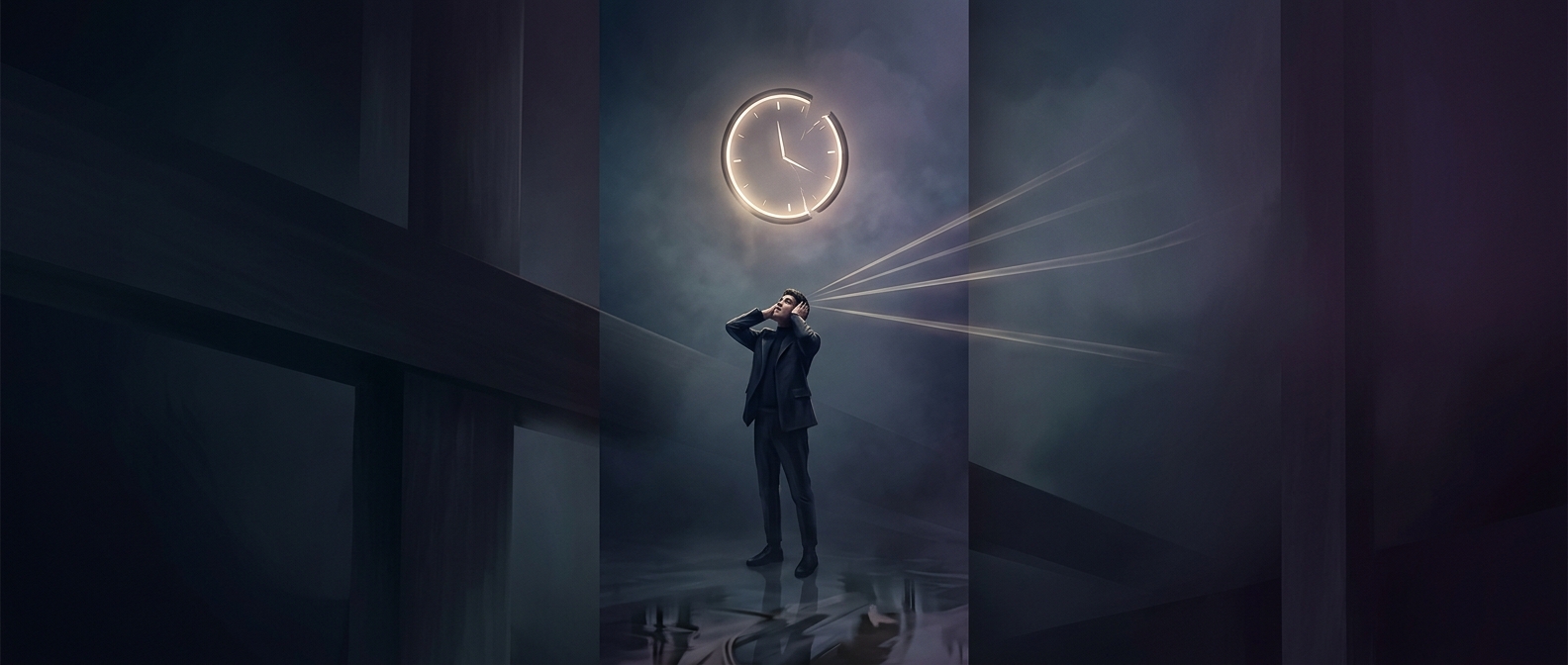
When all those cues stop abruptly, the change itself grabs attention. The viewer is left monitoring the image for evidence that the program is continuing, while the missing sound offers no clear timing or emotional direction. That extra watchfulness can make the pause seem longer than it is.
An unfinished moment keeps attention open
A scene that ends cleanly gives the mind a boundary: the action is done, and attention can move on. Dead air often arrives without one. A character may still be on screen, a sentence may have been cut off, or the shot may simply linger. Because the moment has not been resolved, viewers keep waiting for the next cue instead of treating the silence as an ending.
That is why the same quiet that feels restful in a familiar room can feel charged on television. At home, silence is part of the environment; on screen, an unexpected gap can feel like a broken promise of what should happen next. A few seconds become tense not because silence is inherently alarming, but because the scene has left the viewer waiting without a reliable signal.