When the urge matters more than the object
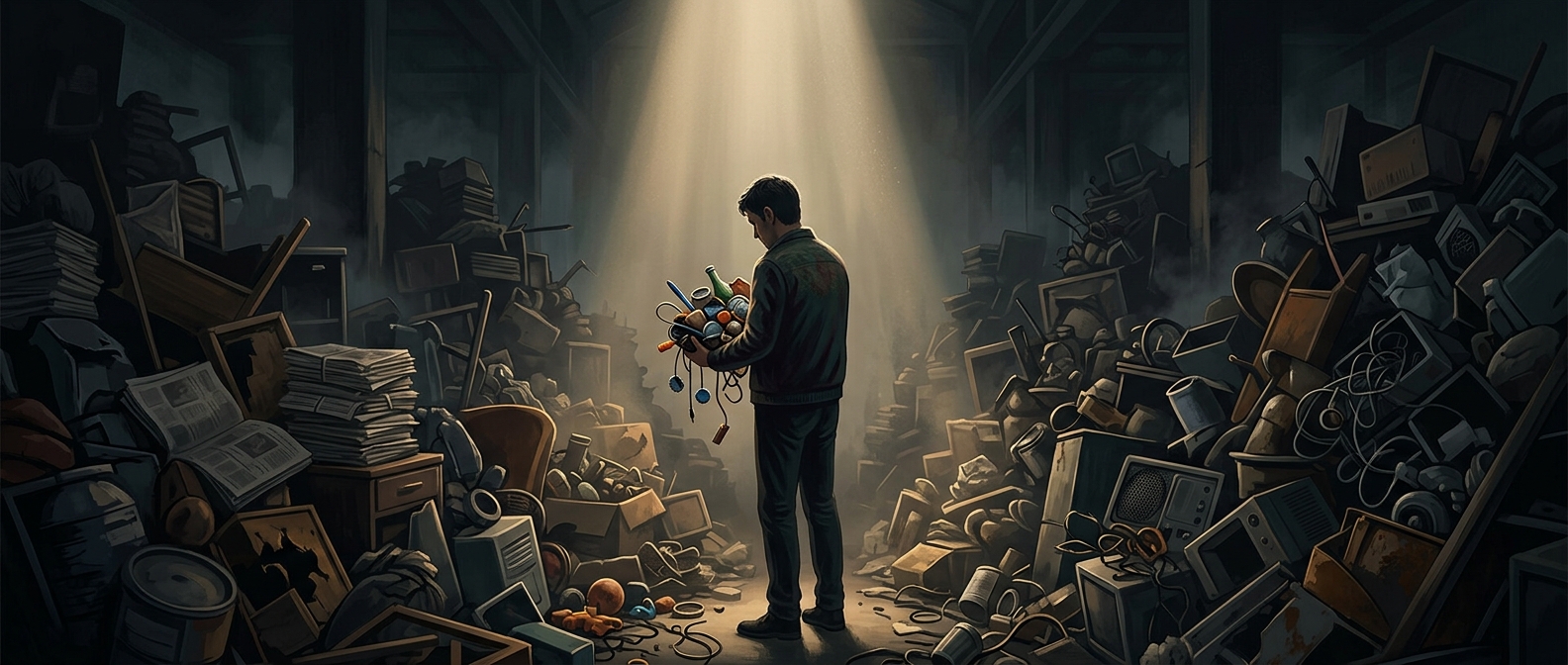
Kleptomania is a rare mental health condition involving repeated difficulty resisting urges to steal. The behavior is not usually driven by wanting the item, needing money, or trying to get even. Instead, the urge can become the focus: a person may take something ordinary or easily obtainable, then leave it unused, give it away, or discard it.
That distinction helps explain why the behavior can seem baffling from the outside. The item is not necessarily a prize. It is tied to a brief change in an uncomfortable internal state, while its practical value may be close to zero.
A repeating cycle—and a difficult aftermath
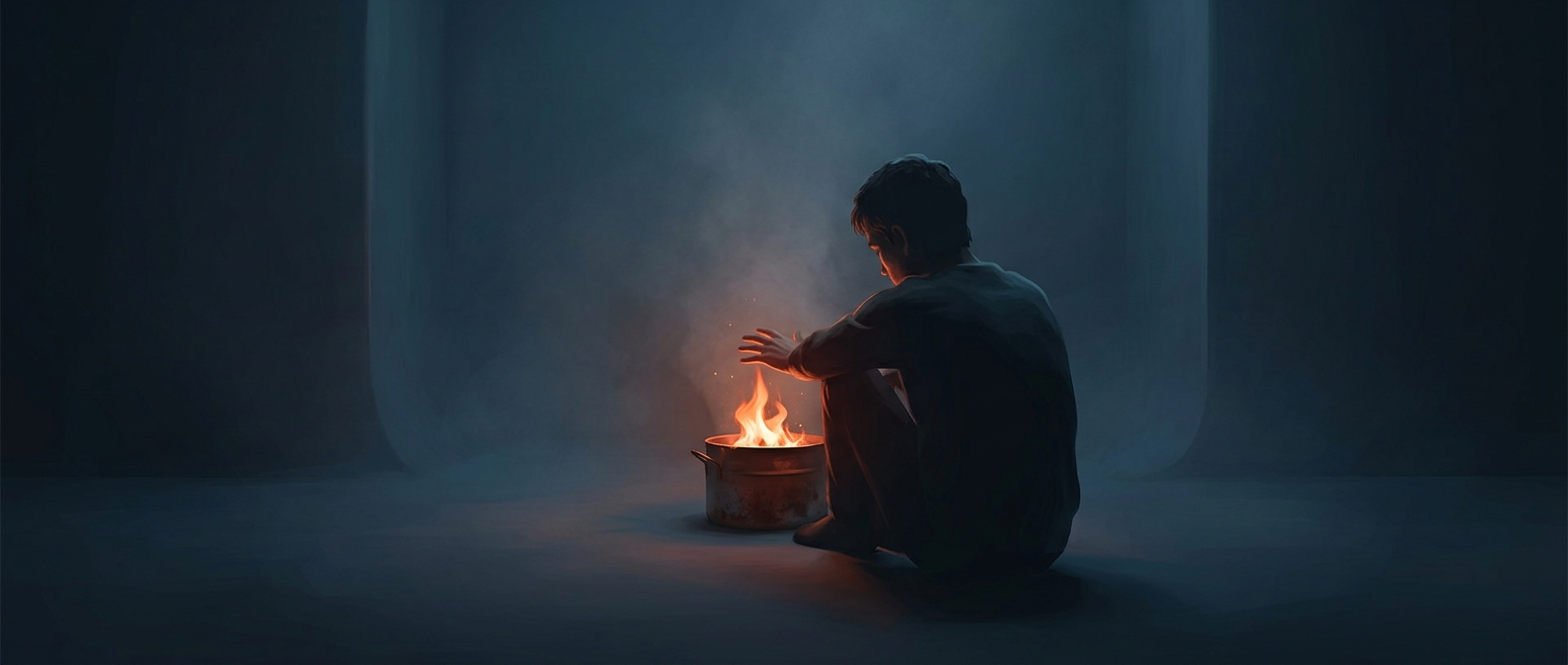
The pattern can become self-reinforcing. Stress or other uncomfortable feelings may intensify the urge; stealing can bring short-lived relief or gratification. When that feeling fades, guilt, embarrassment, or fear of consequences may follow. Those feelings do not automatically stop the next urge, and the cycle can strain relationships and create serious legal and financial problems.
Because stealing has consequences, people with kleptomania may conceal what is happening rather than seek help. Treatment can address the urges and the feelings or situations associated with them, often through mental health care. Recognizing the condition does not make the harm disappear; it can help explain why punishment alone may not resolve the underlying pattern.
The unsettling detail is that the object may be almost beside the point: it can remain as evidence of a momentary urge, not something the person ever wanted to own.