How a fire can become part of a relief cycle
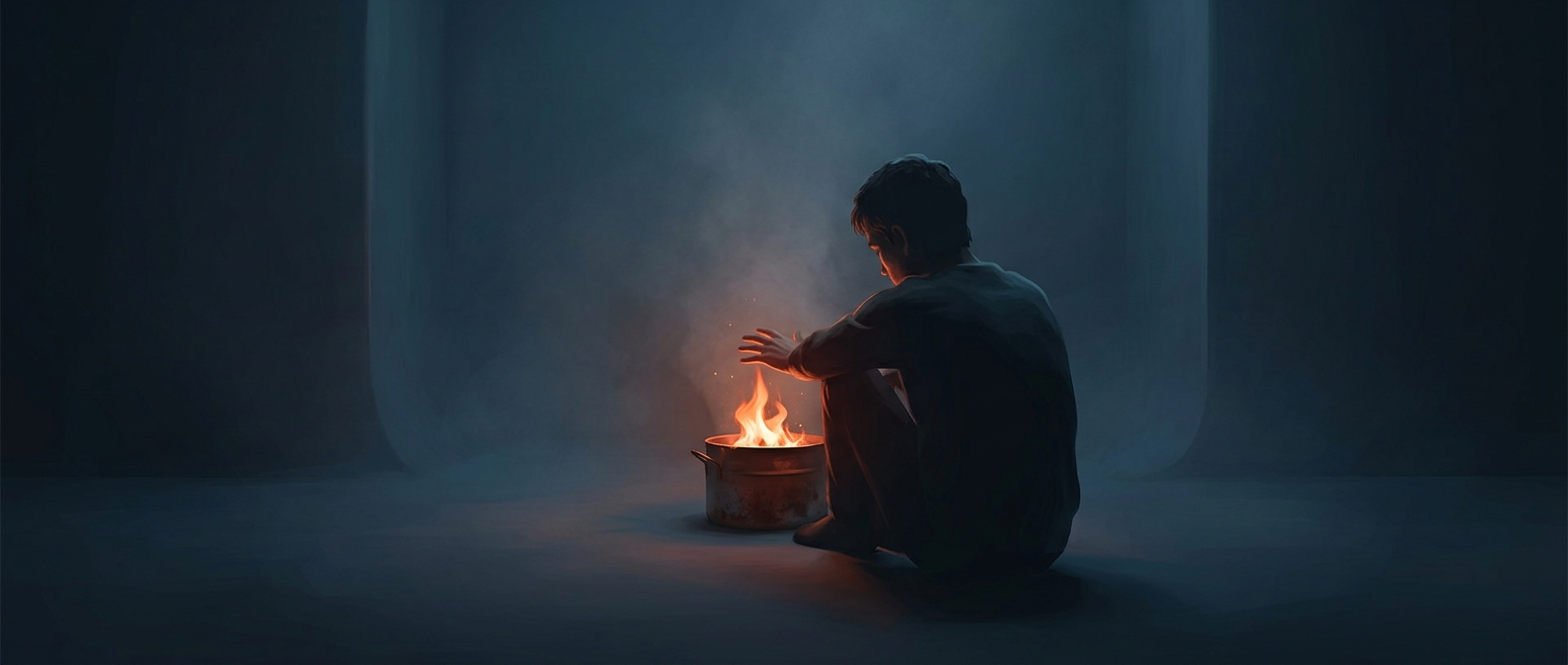
In pyromania, the act of setting a fire may serve as a way to change an uncomfortable internal state. Tension or mounting anticipation builds, and lighting a fire can bring pleasure or a sense of release. The relief is real in the moment, even though the consequences may be frightening or devastating.
That pattern resembles a basic form of reinforcement: when an action is followed by a rewarding feeling, the brain is more likely to repeat it. Here, the reward can include both the excitement of starting a fire and the drop in tension afterward. The fire is therefore not simply something to watch; initiating it is part of the behavior’s emotional payoff.
Why consequences may not stop the behavior
Long-term harms—danger to people, damage to property, and legal consequences—can be severe. But they may not erase the immediate reward that has become linked to the act. When tension returns, the remembered relief can make setting another fire feel compelling, strengthening the cycle.
This helps explain repetition without making the behavior harmless or excusing it. The same act can bring short-term relief while creating much greater danger afterward. Understanding that gap matters: interrupting the cycle means addressing the urge and the tension that precedes the fire, not treating the flames as the only part of the problem.