Why Being Left Out Can Feel Like a Wound
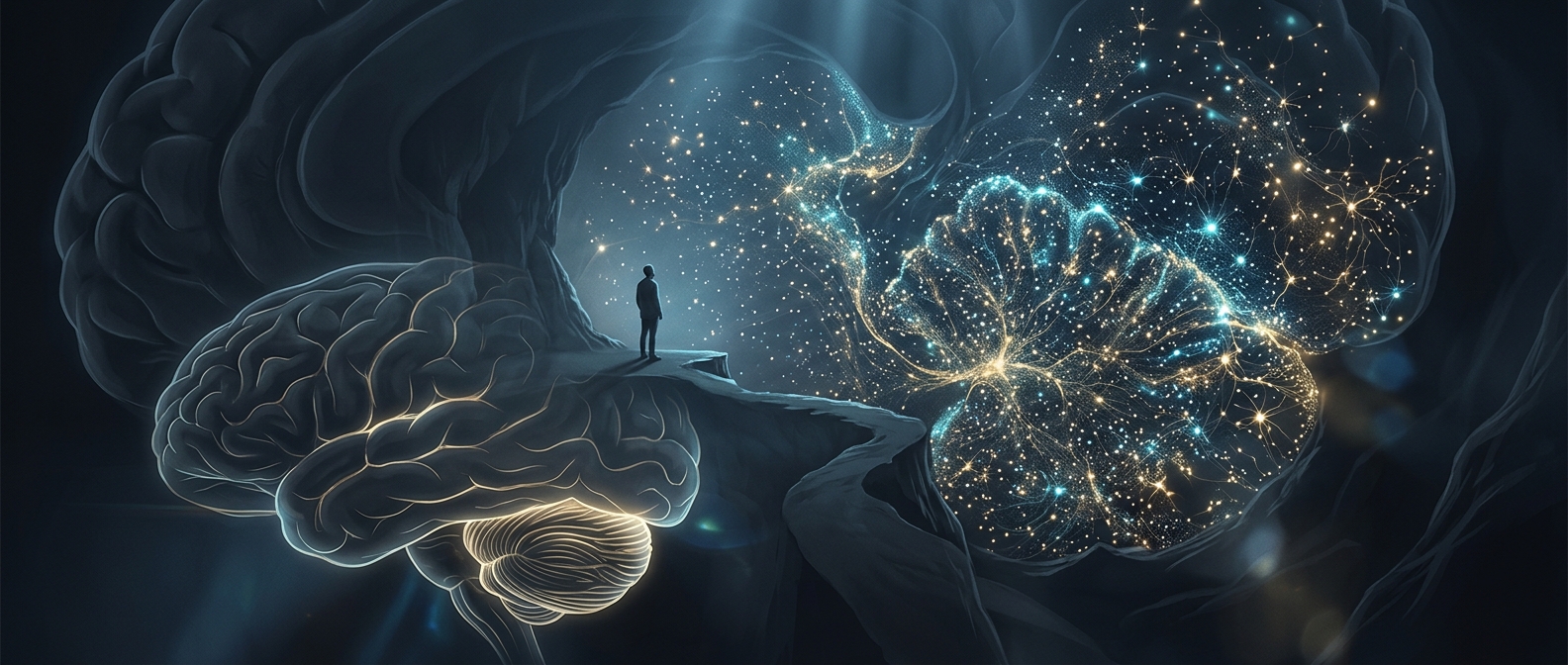
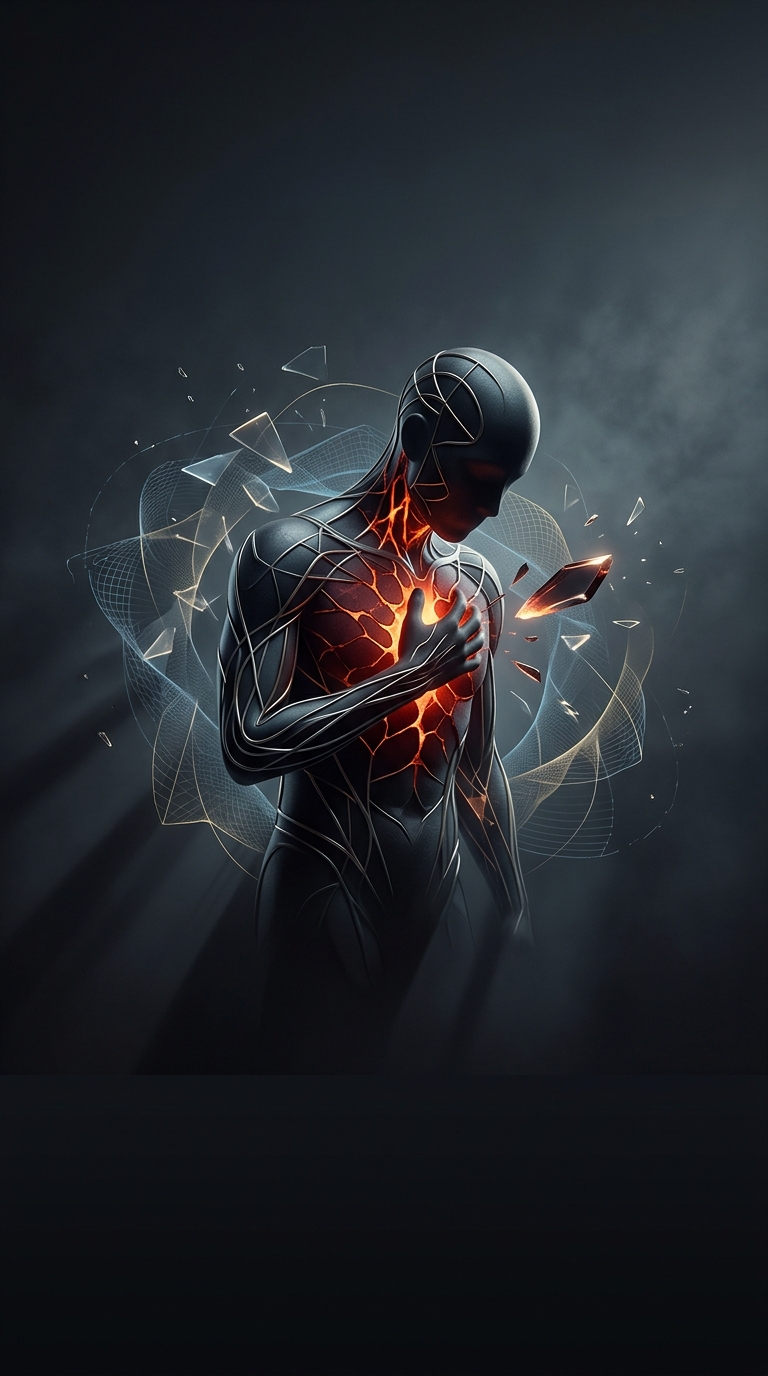
A group chat goes quiet after you post, and your mind starts checking for signs: Did everyone see it? Are they talking somewhere else? That reaction is not simply a dramatic comparison. Social rejection can engage some of the brain systems involved in processing physical pain, including regions that help register distress and draw attention to what may be wrong.
The overlap does not mean that rejection causes a literal injury or that emotional and physical pain are identical. It helps explain why exclusion can feel urgent and hard to ignore: the brain treats a threatened social bond as a problem worth monitoring.
An Alarm for Belonging
People depend on relationships for cooperation, support, and safety. Being pushed out of a group can threaten those connections, so the mind responds with discomfort that encourages attention to the rupture. In everyday life, that may mean replaying a conversation, looking for an explanation, or trying to reconnect.
A group chat can make the alarm especially easy to trigger because it offers visible but incomplete clues. You may see replies to others, notice that your message went unanswered, or watch the conversation continue without you. Those details can feel like evidence of exclusion even when the reason is unclear.
The result is a real emotional sting, not proof that the group intended to hurt you. Social pain borrows some of the brain’s machinery for registering distress, which is why being shut out can demand attention like a bodily threat.