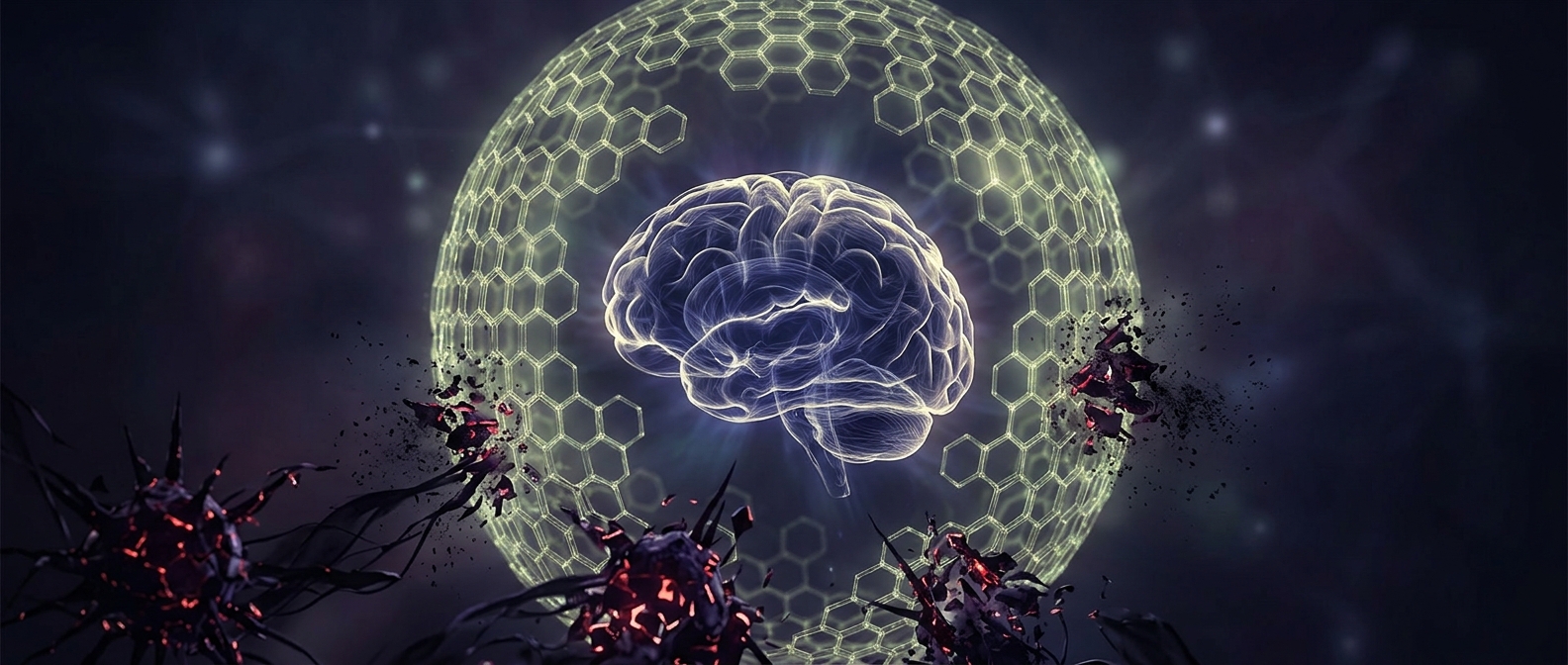
A vessel wall built for selective passage
The blood-brain barrier is not a separate membrane wrapped around the brain. It is a set of unusually selective blood-vessel walls. Their inner lining is made of endothelial cells, and in brain vessels those cells are sealed together by tight junctions—protein connections that leave very little space for substances to slip between them.
That forces most molecules to cross through a cell rather than simply leak through a gap. The cells admit essentials such as glucose and certain amino acids using dedicated transport proteins. Other molecules can pass more readily if they are small and able to dissolve in fat, which helps them move through cell membranes.
A filter with active defenses
The barrier also uses molecular pumps that push some compounds back toward the bloodstream. So a substance’s size is only part of the story: its chemical properties, the transporters available, and the pumps that recognize it all affect whether it reaches brain tissue.
This selectivity is useful because blood carries changing mixtures of nutrients, waste, and foreign chemicals. But it is not a perfect seal. Some substances cross, and the barrier’s properties can change with illness or injury. Its job is controlled exchange, not total isolation.
Why medicines face a second hurdle
A drug intended for the brain must first work at its target, but it must also survive the trip there. A medicine that circulates well elsewhere may be blocked by tight junctions, fail to use a suitable transporter, or be sent back out by an efflux pump. Researchers therefore consider brain entry early in drug design, sometimes adjusting a molecule’s properties or seeking a way to use the barrier’s transport systems.
The practical consequence is striking: a drug can be potent in a laboratory dish and still have little effect on the brain if too little of it gets past the vessel wall.