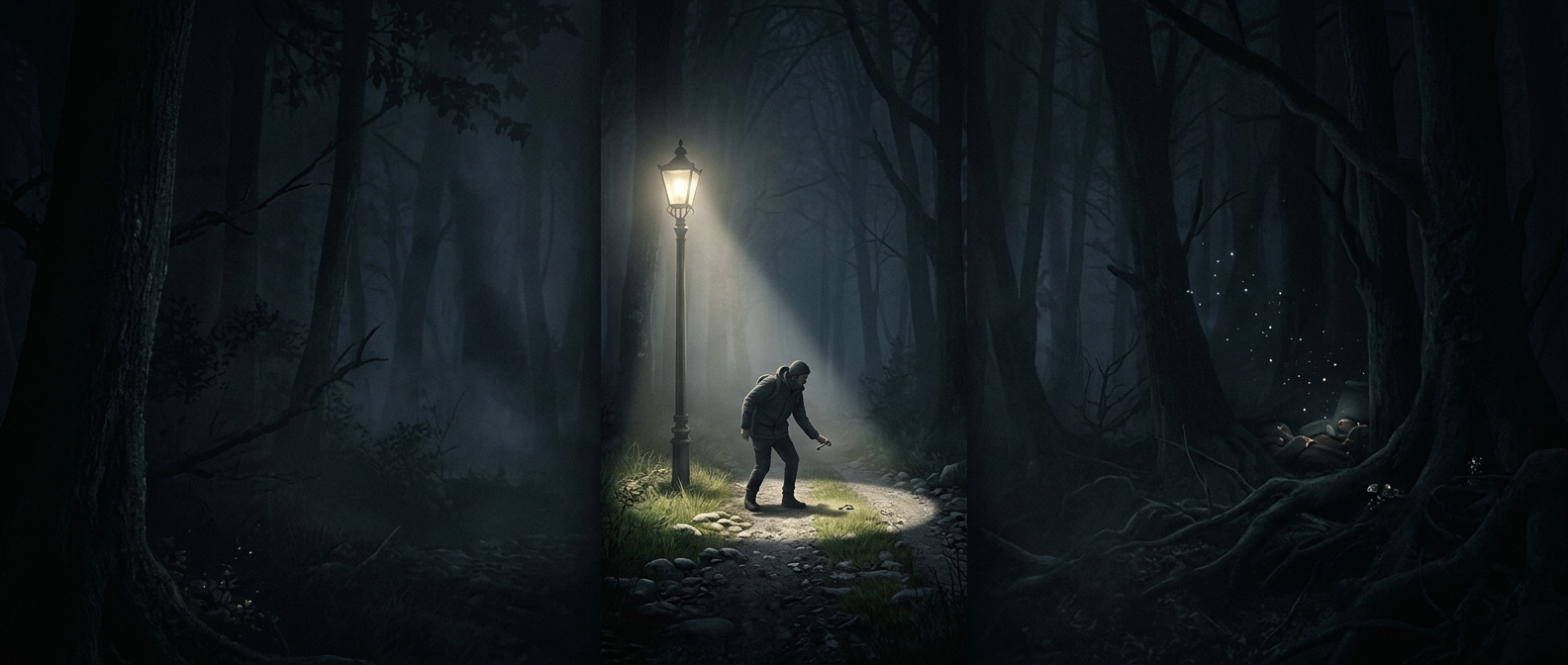
The hidden denominator behind a coincidence
A coincidence seems extraordinary when two events match: you think of an old friend, then their name appears on your phone. But the match is only half the story. The other half is the number of chances for something—anything—to line up during the day.
Your mind constantly makes predictions and notices patterns, which helps it find meaning in a noisy world. It also means there are many possible pairings: thoughts with messages, dates with anniversaries, overheard words with current worries. When one pair clicks, it stands out. The countless pairings that do not match usually pass unnoticed.
Why the match survives in memory
Memory is selective, not a complete recording. A striking coincidence is emotionally vivid, so it is easier to recall and retell than an uneventful moment. By contrast, you are unlikely to remember every time you thought of someone and did not hear from them, or saw a number that meant nothing to you.
That missing comparison set changes how rare the event seems. If you count only memorable matches and forget the ordinary misses, the match can look like evidence of a special connection. This is a form of selection bias: the examples that catch your attention are not a fair sample of all the opportunities.
A practical way to judge the “message”
When a coincidence feels loaded with meaning, consider what else could have matched and how many opportunities there were. The question is not only “How unlikely was this exact pair?” but also “How many possible pairs could have seemed striking?”
That does not make the moment less surprising or personally meaningful. It does explain why a day can contain many forgettable near-misses—and one match that feels impossible enough to remember for years.