Why a punchline can feel predictable afterward
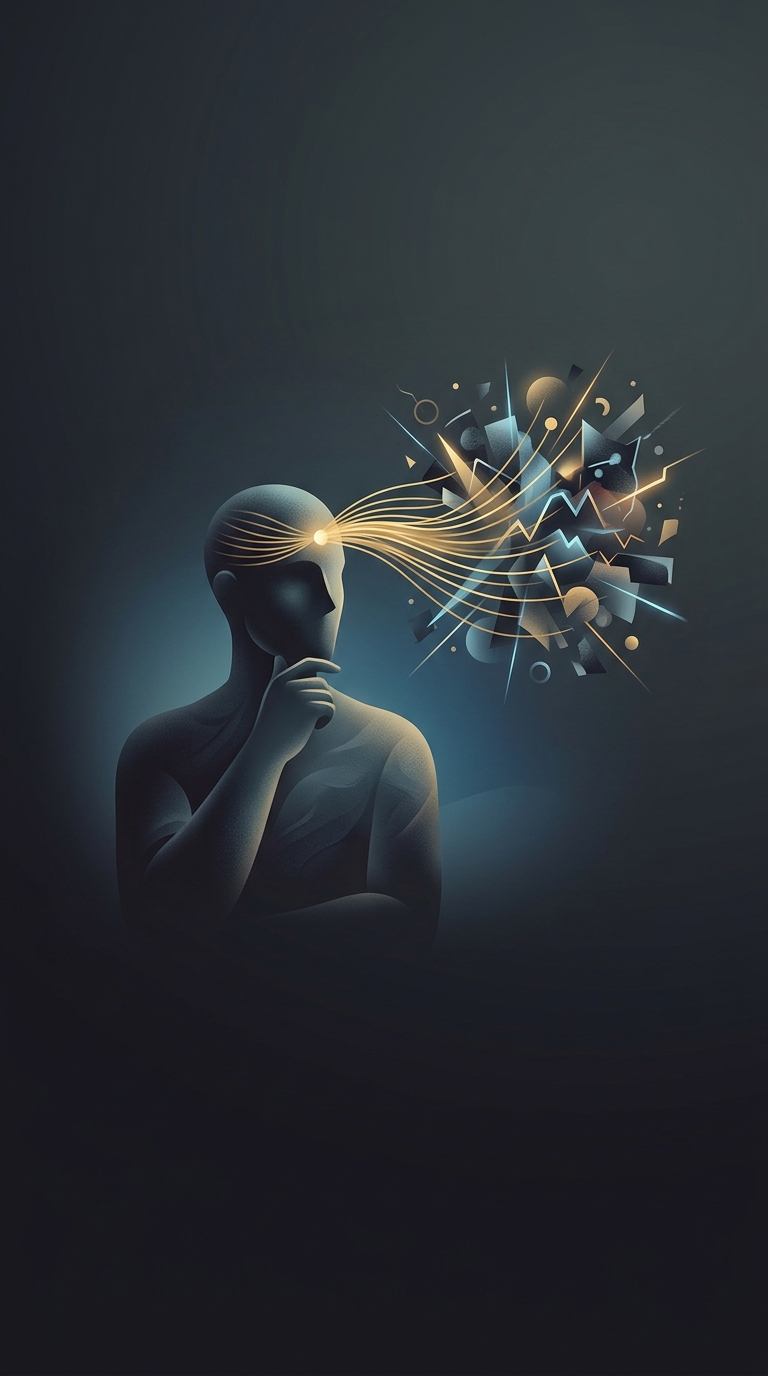
A complex joke often works by letting its setup fit more than one interpretation. You follow the most ordinary reading as the story unfolds; then the punchline supplies a new frame that makes earlier details mean something else. The laugh comes partly from that sudden switch.
Once the new frame is available, the setup no longer feels open-ended. Details that seemed incidental can now be arranged into a neat chain leading to the ending. That coherence is real—but it was easier to see after the punchline narrowed the possibilities.
Memory smooths over the moment of uncertainty
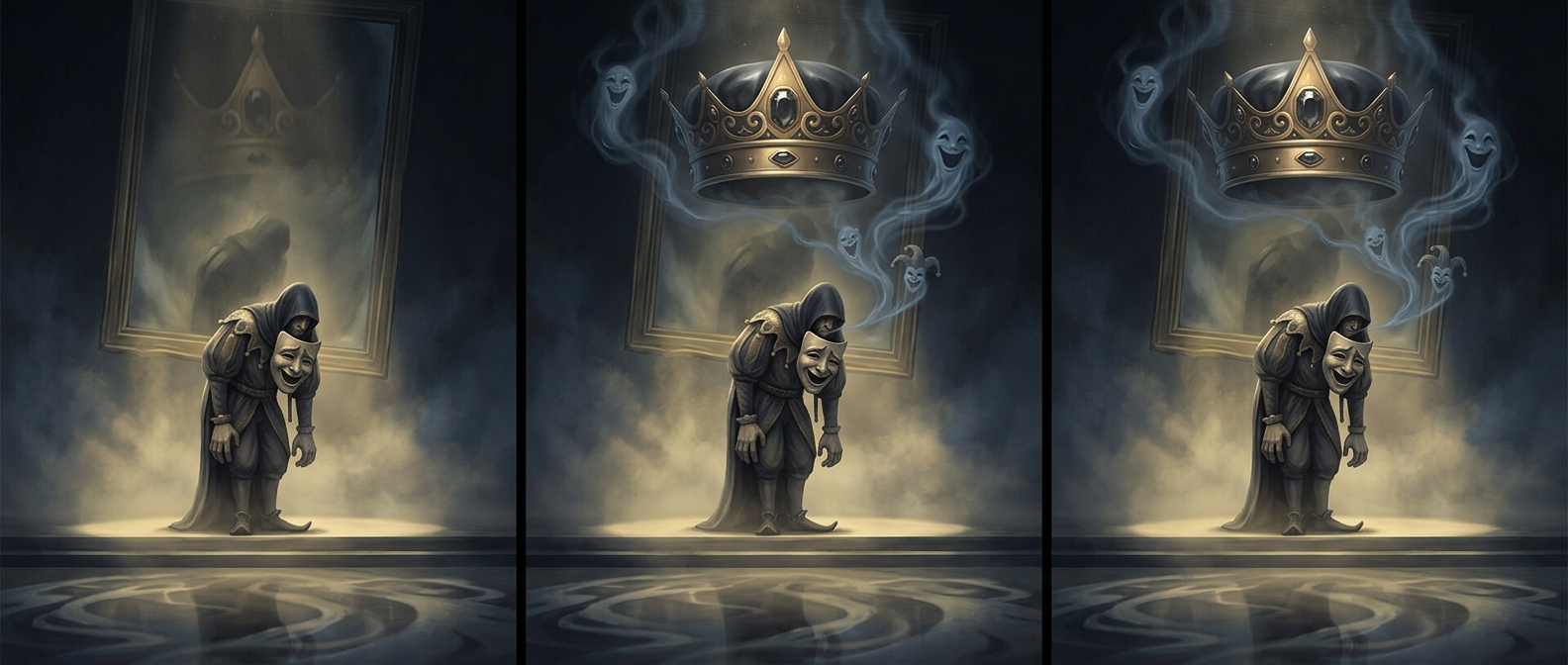
Psychologists call one version of this pattern hindsight bias: after learning an outcome, people tend to remember it as more foreseeable than it seemed beforehand. Memory is not a recording that preserves every earlier guess. When you recall the joke, you reconstruct the experience using what you now know, and the successful interpretation can crowd out the alternatives you considered—or the fact that you considered none at all.
The result is a subtle change in the story you tell yourself: “I could have predicted that” replaces “I understood it once I heard it.” The same shift can happen with plot twists, surprising answers, and other events whose meaning becomes clearer in retrospect.
The test is what you expected before the reveal
To tell genuine prediction from hindsight, notice your reaction before the ending arrives. Did you actually anticipate that interpretation, or does it merely seem obvious now? A joke can be carefully constructed so its clues support the punchline without making it the only possible ending. After the reveal, fit can feel like foresight.