Why a private joke can draw a public boundary
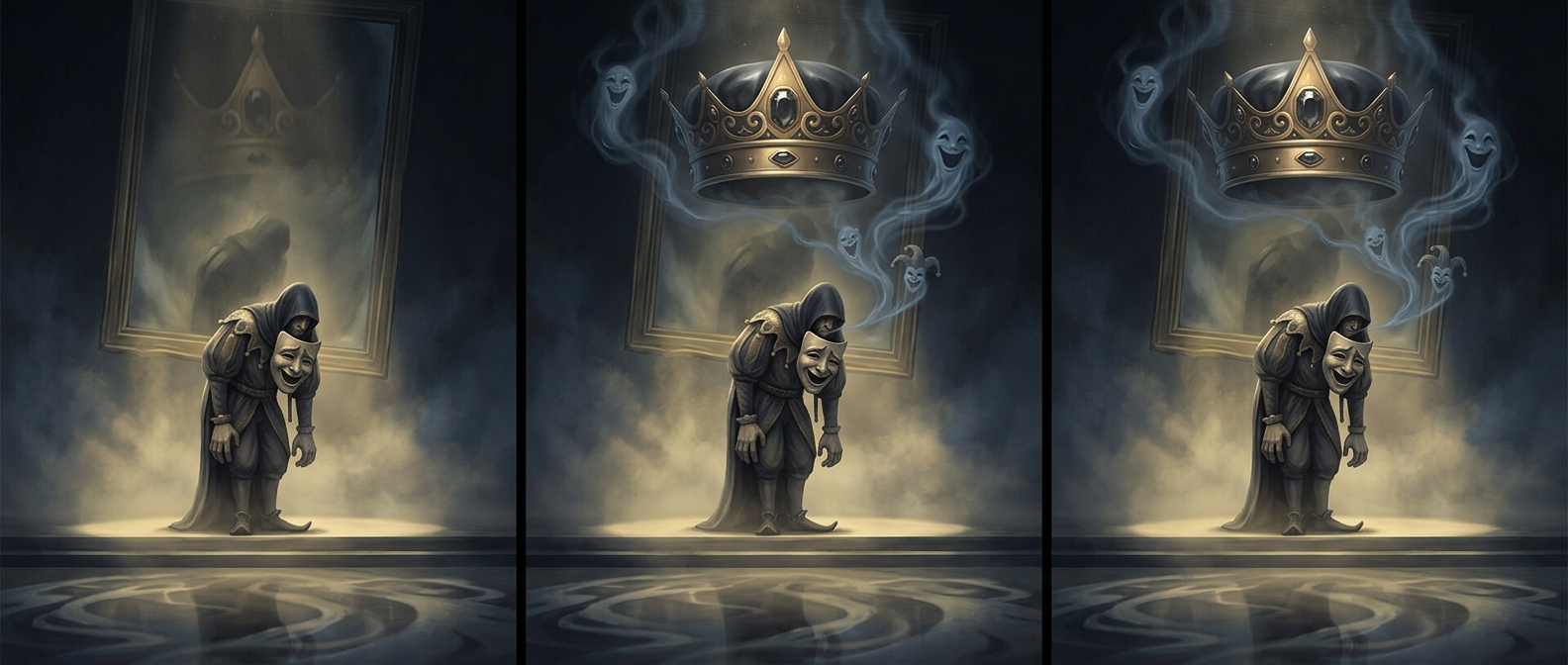
An inside joke works because its punch line depends on information that is not actually inside the room. It may refer to an old mistake, a shared trip, or a phrase that has acquired a special meaning among friends. For insiders, remembering that history makes the joke funnier—and confirms that they share it. For everyone else, the missing context is the very thing that makes the laughter hard to join.
The laugh carries two messages
Humor is a social signal as well as a response to something funny. A laugh tells nearby people that a moment has been recognized as amusing; when only a few people understand why, it also shows who shares the relevant knowledge. The joke can therefore create closeness without anyone explicitly announcing a boundary.
That signal is especially strong when the outsiders can see the laughter but cannot identify its cause. They may wonder whether the joke concerns them, even when it does not. The uncertainty—not just the missing backstory—can make the moment feel excluding.
Context determines how it lands
Not every private reference is a deliberate snub. Friends naturally accumulate shorthand, and a quick callback can be a harmless way of enjoying shared memories. The same joke feels different in a group where one person is repeatedly left without explanation, or where the reference is used to keep a newcomer from taking part.
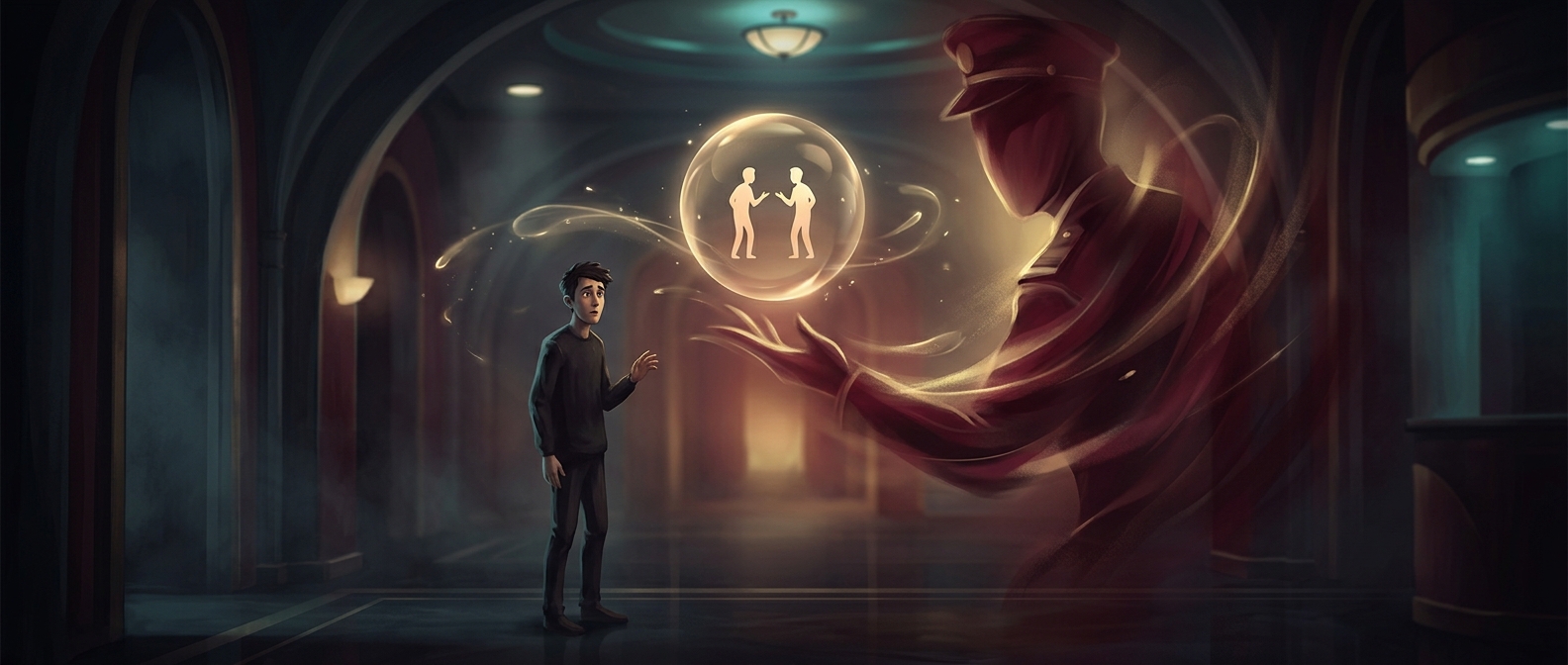
A small act can change the effect: explain the reference, invite the person into the story, or move on to a joke everyone can follow. The laughter may last only a second, but whether someone is offered the missing context tells them if the group’s shared history is an open door or a closed one.