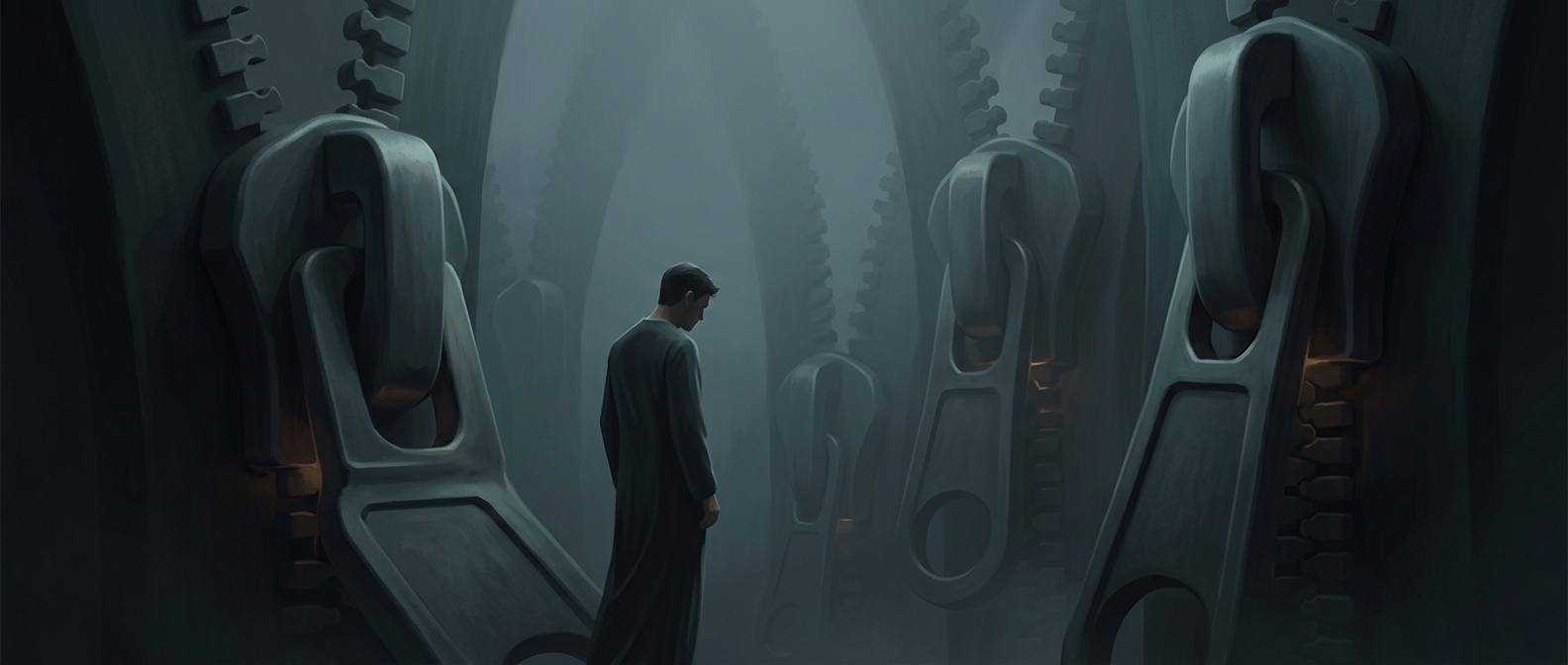
How an outcome rewrites the story
Imagine watching a close election, a product launch, or a medical diagnosis unfold. Once the result is known, the details that fit it become easier to notice: a candidate’s stumble, a company’s warning sign, a symptom that now seems unmistakable. The same details may have seemed ambiguous beforehand, alongside many clues pointing in other directions.
This is hindsight bias: knowing the ending changes how the earlier uncertainty feels. The outcome gives the mind a ready-made explanation, and memory tends to organize past events around that explanation. People may remember having expected the result, or treat the clues that support it as more important than they seemed at the time.
Why the effect matters
The shift is not simply a deliberate attempt to claim credit. Reconstructing the past can make the known outcome feel like it had been visible all along. That can distort judgments in both directions: a decision-maker may seem foolish for missing a result that was genuinely hard to foresee, while a successful guess may look more skillful than it was.
It also makes learning from experience harder. If a team reviews a failed project only after seeing the failure, its members may focus on warning signs and conclude that the mistake was obvious. They can miss how uncertain the choice looked when it was made—or overlook the risks that were considered and reasonably judged less likely.
Keep the uncertainty on record
A useful safeguard is to capture expectations before the outcome arrives: what people think will happen, why, and how confident they are. Later, those notes provide a less polished record than memory, helping separate what was genuinely anticipated from what became clear only afterward. The point is not to excuse every bad call; it is to judge decisions by the information available at the time, rather than by the ending everyone now knows.