The stethoscope turns breathing into a performance
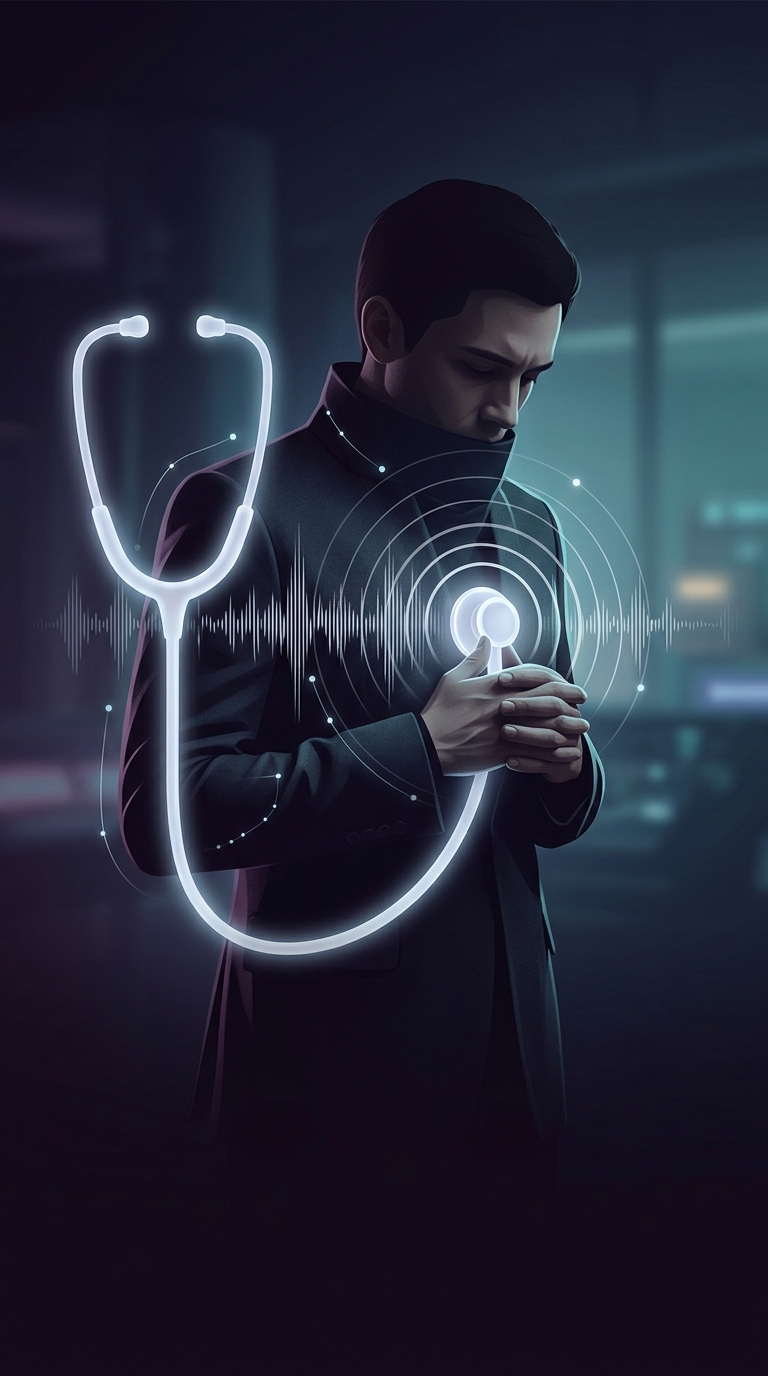
Breathing usually runs on autopilot. The brain’s breathing centers adjust the rhythm in response to the body’s needs, while most people pay little attention to each inhale and exhale. But once a clinician places a stethoscope on the chest, attention snaps to a process that normally stays in the background.
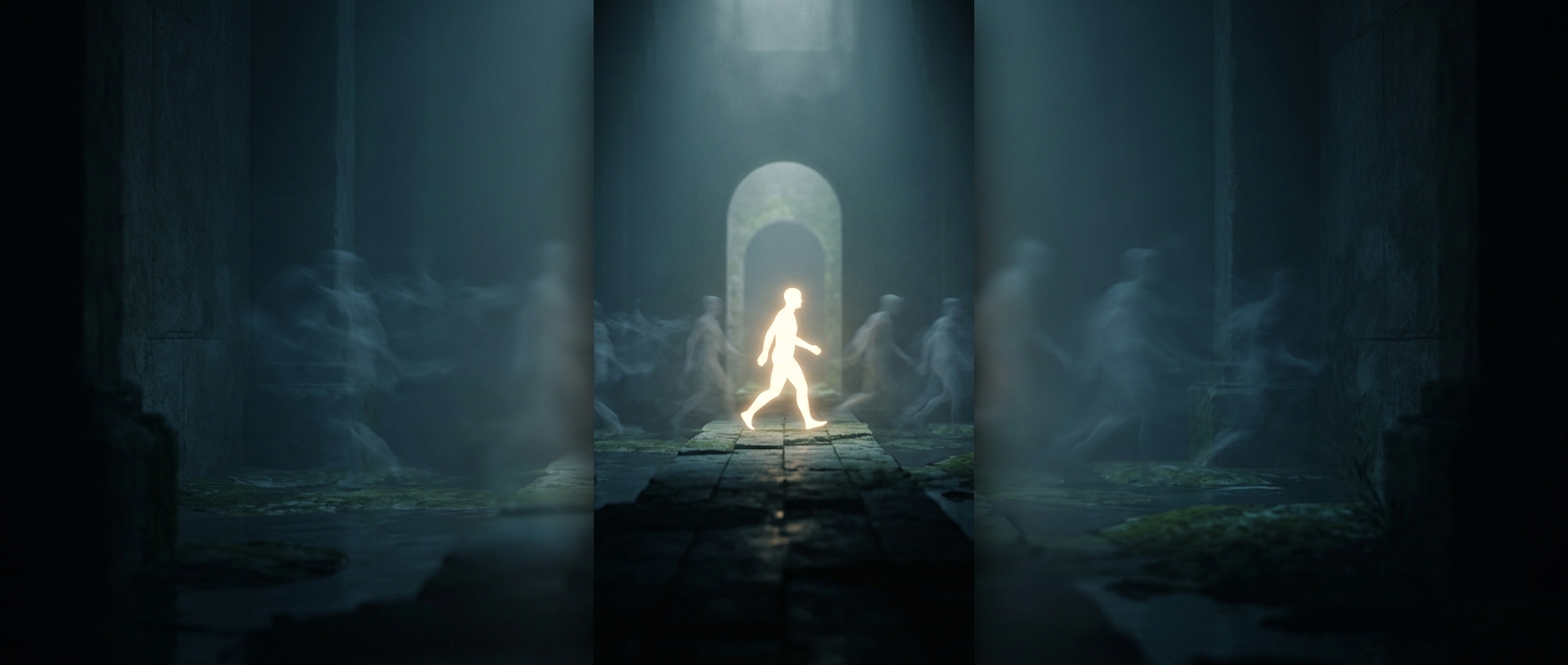
That shift can make an automatic action feel strangely deliberate. A patient may start taking deeper breaths, holding them, or trying to breathe at an even pace—often because they think the clinician needs a clear sound. The effort itself can make the rhythm less natural. Like walking awkwardly when someone asks you to think about every step, breathing can feel harder to coordinate when you consciously supervise it.
The body follows the attention
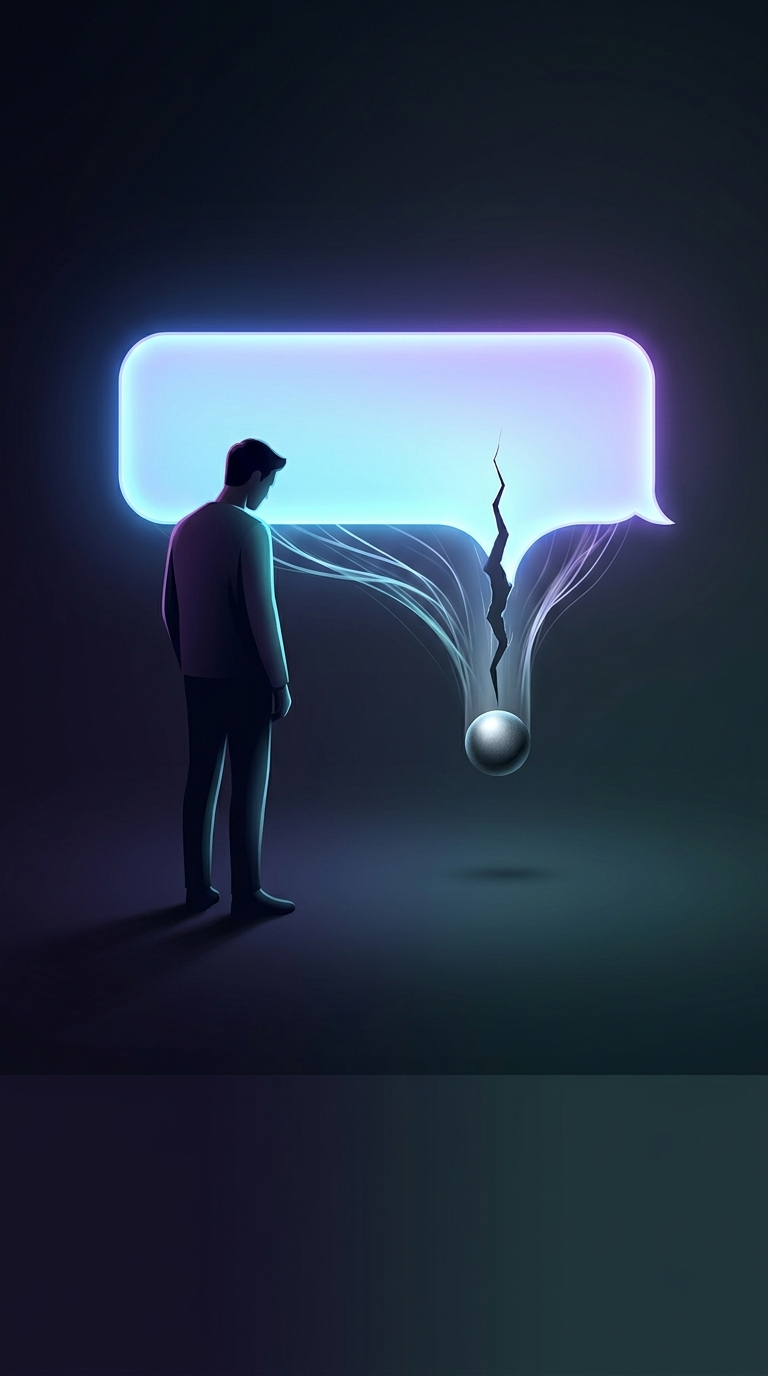
Breathing is unusual because it is both automatic and partly voluntary: you can hold your breath or take a deliberate deep breath, even though your body ordinarily manages the rhythm without instructions. Focusing on it gives conscious control more influence, while nervousness about being examined can add tension or make someone feel short of breath. That sensation can prompt even more monitoring, creating a small loop: notice the breath, change it, then notice the change.
Clinicians often ask patients to breathe deeply during a chest exam, so a patient may begin doing so before being asked—or try to anticipate what the doctor wants. The result can be conspicuous without signaling a lung problem. A healthy person’s breathing may simply sound or feel unusual because they are actively managing it.
The simplest fix is often to stop trying to perform a “good” breath. Once attention moves elsewhere, the body can resume doing what it was doing before the stethoscope arrived.