Why a lie can come with a steady stare
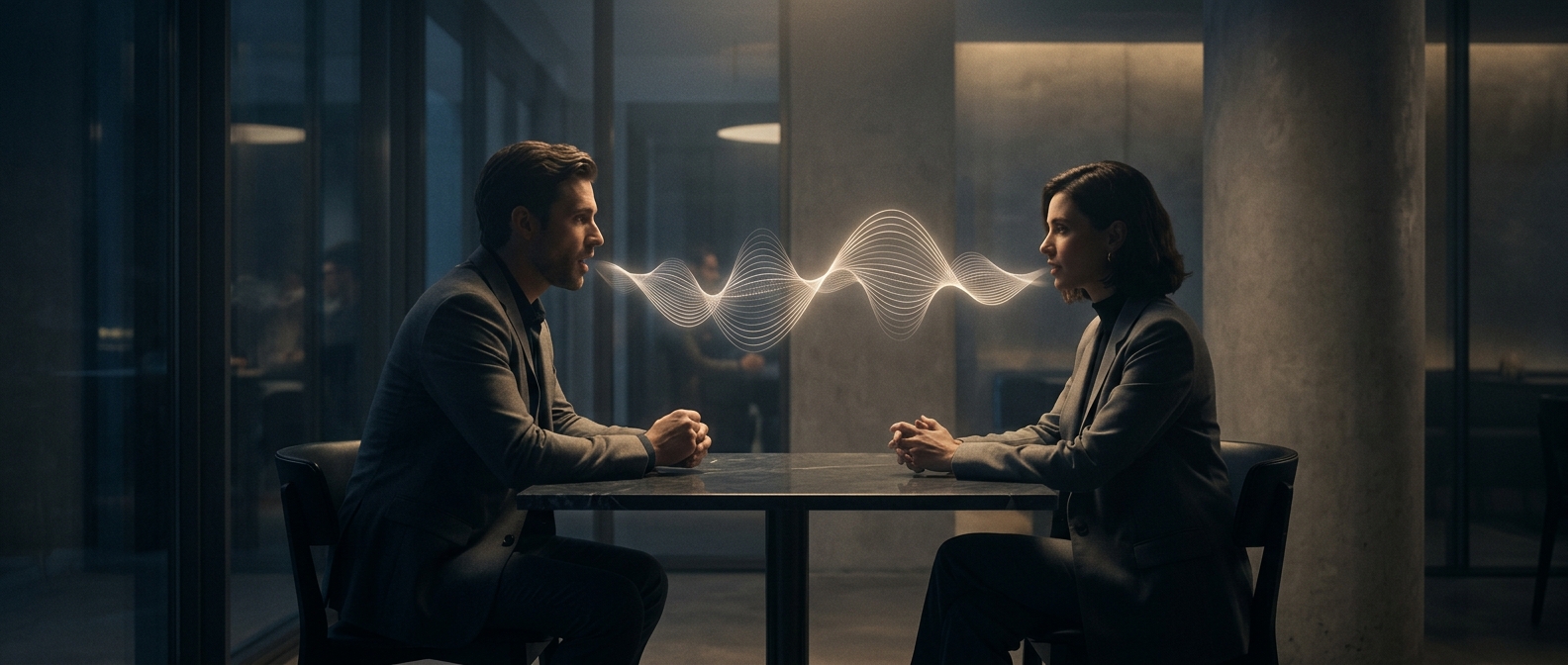
People often expect a liar to look away, so someone who wants to appear convincing may deliberately do the opposite: hold eye contact longer than feels natural. The stare is an attempt to manage what the other person might notice, not a reliable sign that the story is false.
When monitoring turns into overcorrection
In ordinary conversation, gaze shifts for many reasons: people look away while thinking, recalling details, or deciding what to say. Someone who is actively deceiving may pay unusually close attention to those habits because they fear that looking away will expose them. They can then consciously keep their eyes fixed on the listener.
That effort adds a second task to the conversation. The speaker must keep the story moving while also tracking the listener’s reactions and controlling their own gaze. The result can be eye contact that feels unusually deliberate or unbroken—especially when the lie is forceful and the speaker is trying to make the listener accept it.
Why eye contact is not a lie detector
The same intense gaze can come from confidence, confrontation, cultural norms, or simply a person’s natural style. And many people who lie do look away, whether from discomfort or because they are focused on inventing details. A prolonged stare is best understood as a possible attempt to manage an impression, not proof of deception. Its meaning depends on the person and the conversation, so one look alone cannot tell you whether someone is lying.