How Two Walking Rhythms Become One
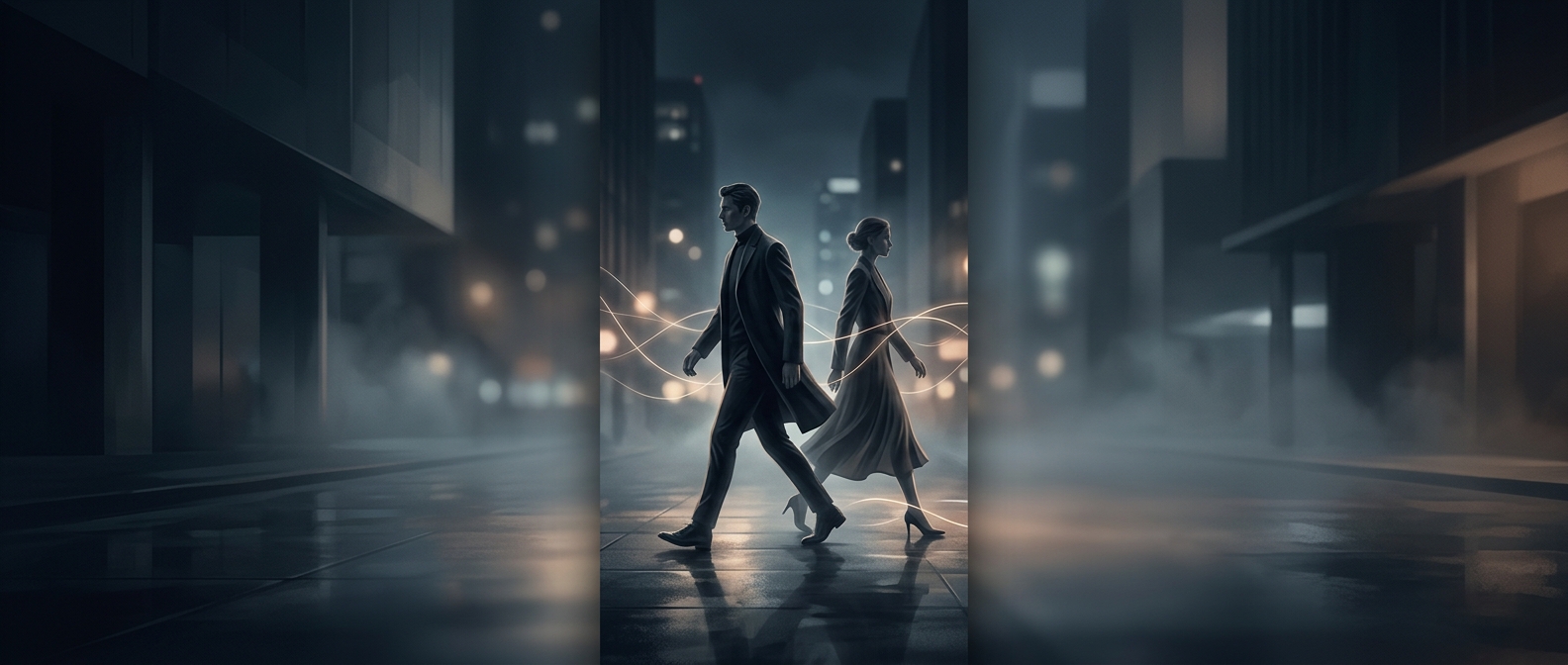
Walking is not a fixed sequence of steps. Each step gives the brain fresh information about balance, speed, and where the body is headed, allowing small adjustments to the next one. When another person is nearby, their movement becomes part of that information: you can see their body shift and hear or feel the timing of their steps.
A slight change is enough to start a loop. You unconsciously lengthen or shorten a stride; the other person may make a similar adjustment in response. Those corrections keep bringing your step timing closer together, much like two gently swinging objects that gradually fall into a shared rhythm.
Why It Happens Without a Conversation
People do not need to decide to coordinate. The adjustments are small and useful for staying alongside one another, avoiding collisions, or keeping a shared direction. Because walking already involves constant balance corrections, matching a companion’s pace can emerge from ordinary movement rather than a deliberate social signal.
The match is not always exact or lasting. A difference in walking speed, a turn, an obstacle, or one person stopping can break the rhythm. But on a clear stretch, repeated visual and sound cues give both walkers a steady chance to adjust.
That is why synchronization can feel as if it appeared on its own: the coordination is built from tiny step-by-step corrections, not a conscious agreement to walk in time.