Why the conversation keeps replaying
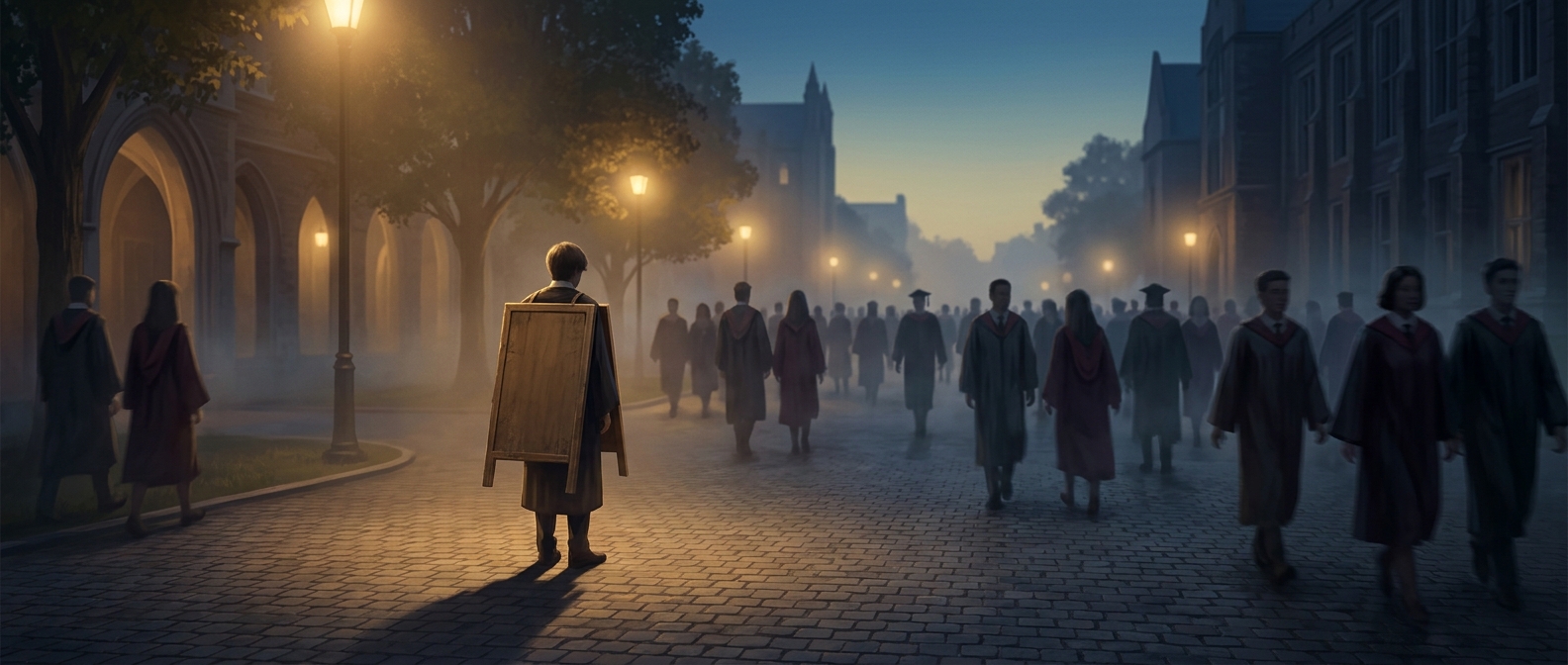
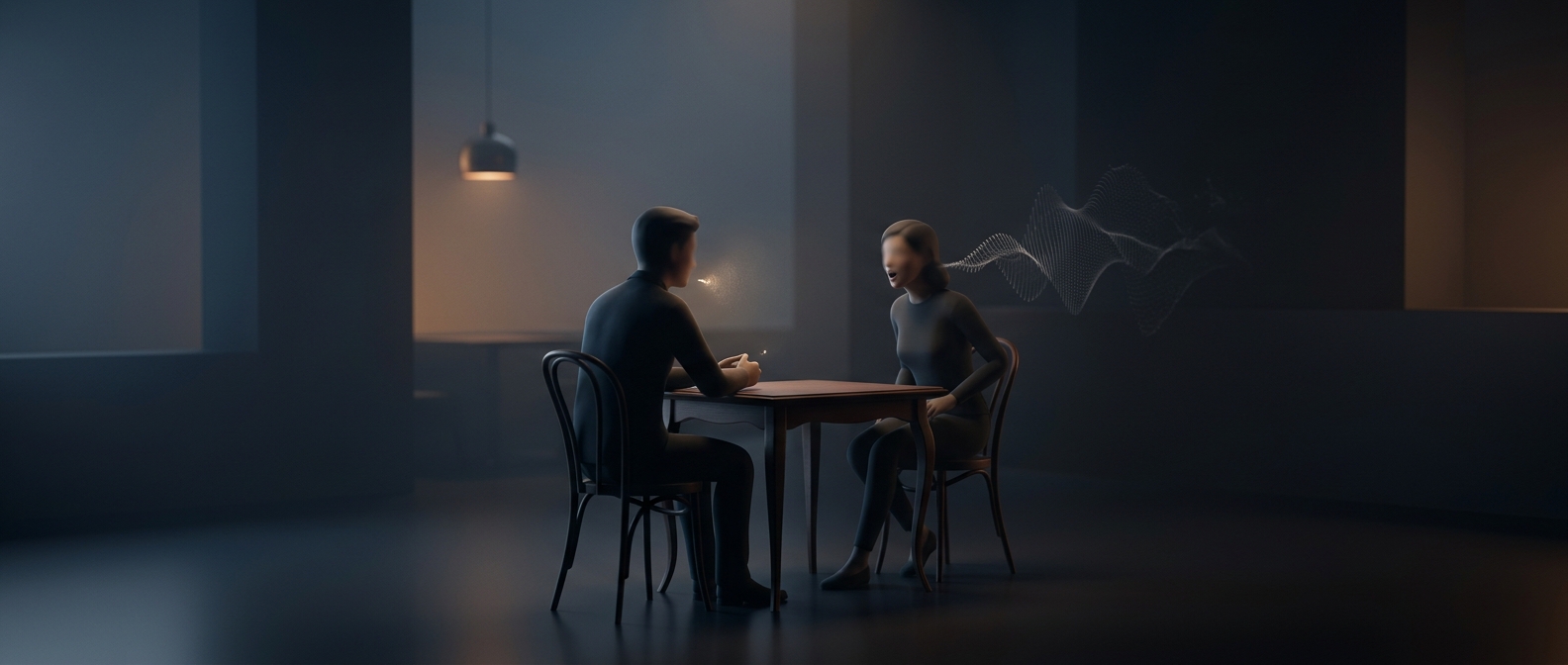
After a socially demanding moment, the mind may review what happened as if it were checking for mistakes. Psychologists often call this post-event processing: repeated thinking about a social interaction after it ends. A pause, an awkward phrase, or someone’s changing expression can become the focus, while ordinary or enjoyable parts receive less attention.
The review can feel like problem-solving, but it often runs on incomplete evidence. You remember your own words and sensations—perhaps the flush of embarrassment—but cannot directly know what everyone else thought. When the outcome is uncertain, the brain may keep revisiting the scene in search of a definite answer.
How self-monitoring turns into a loop
During a conversation, attention is divided between listening, choosing what to say, and noticing how you seem to others. If you are worried about being judged, that last task can grow especially demanding. You may monitor your voice, face, or timing while also trying to participate. Afterward, the same attention can shift into an internal replay, with small possible errors standing out more than neutral details.
This is not proof that the interaction went badly. Nor does it happen only to introverts: introversion describes a broad preference for less stimulation or more time alone, not a diagnosis or a guarantee of social anxiety. People vary in how much they review interactions, and stress, uncertainty, and fear of negative evaluation can all make the habit more likely.
When reflection stops being useful
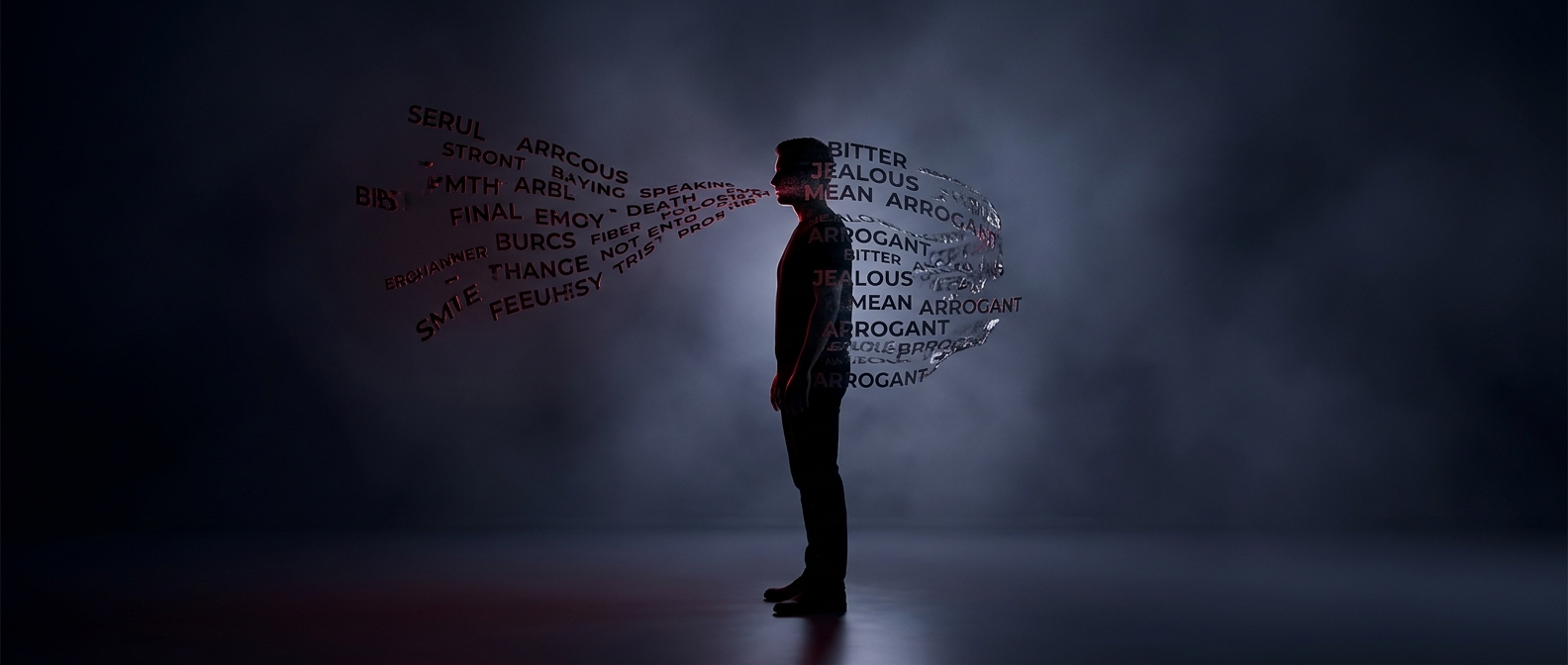
A review can help if it leads to a specific, fair lesson—such as asking a follow-up question next time. It is less helpful when it repeats the same imagined verdict without new information. One practical shift is to separate what you observed from what you inferred: “I paused” is an observation; “everyone thought I was foolish” is a guess.
That distinction matters because a vivid memory is not a reliable survey of the room. The replay tells you that the moment felt important to you; by itself, it cannot tell you how closely anyone else was watching.