Why a cue can feel more compelling than the reward
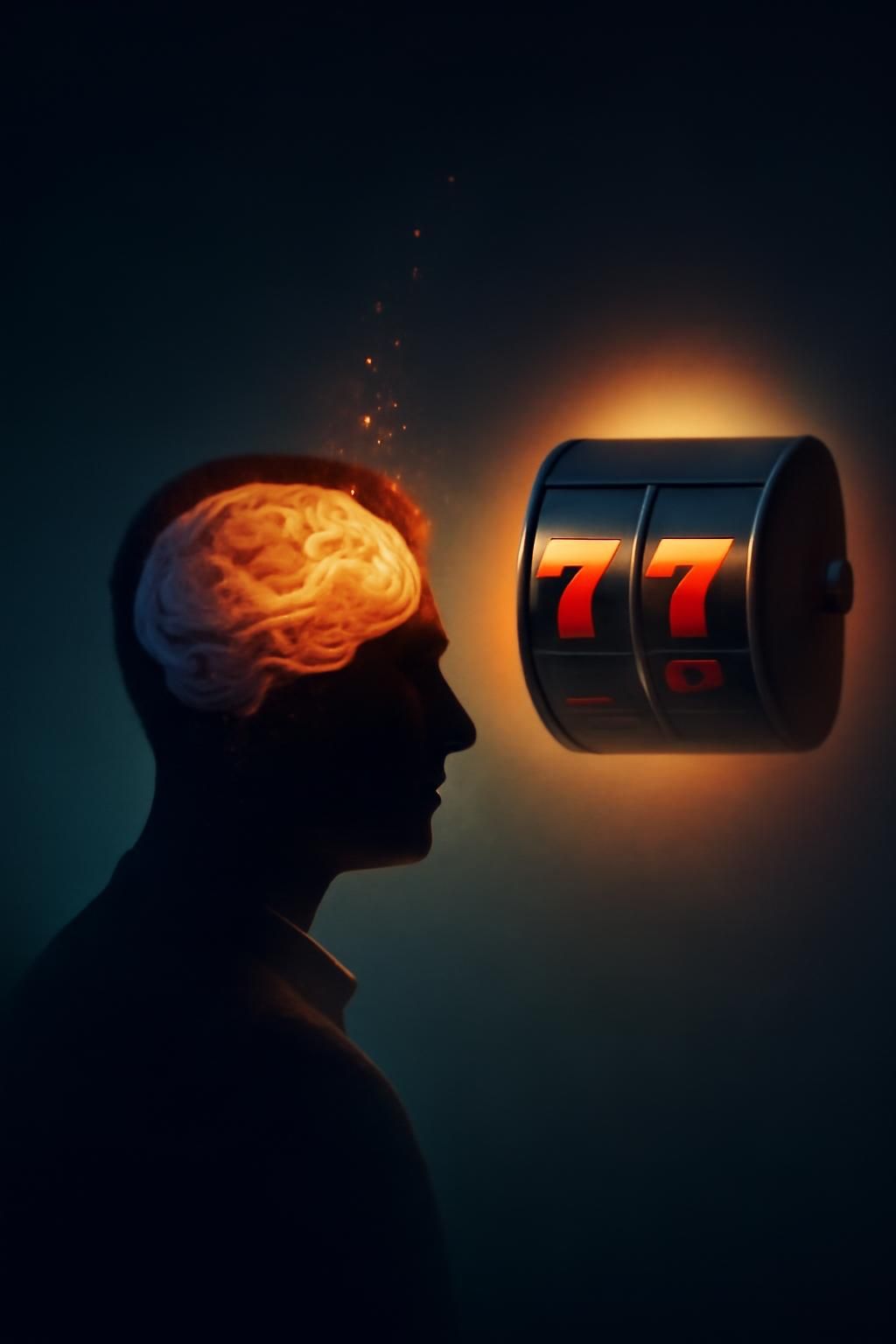
A notification, the smell of fresh coffee, or the sight of a familiar snack can grab attention before you have decided whether you actually want the experience that follows. Dopamine helps the brain learn which cues predict useful or rewarding outcomes. When a cue has become meaningful, seeing it can prompt the brain to prepare: focus shifts, memories of the reward surface, and effort seems worth spending.
This learned pull is sometimes called incentive salience—the extra motivational importance a cue acquires. Dopamine is part of the machinery that builds and expresses that pull; it is not simply a chemical measure of happiness.
Wanting and liking are not the same
The pleasure of a reward depends on several brain systems. Dopamine is especially involved in learning, motivation, and choosing actions, rather than serving as a direct “pleasure meter.” As a result, a person can feel driven to seek something without enjoying it as much once it arrives.
That mismatch can show up in ordinary habits. Someone may keep checking a phone because its alert might bring an interesting message, even when most checks are dull. The cue renews the possibility and the urge to look; the actual payoff may be brief or absent. Wanting can therefore persist after satisfaction has faded.
How the chase gets reinforced
When an outcome is better or worse than expected, dopamine-related signals help update what the brain predicts about the cues and actions that came before it. A cue linked repeatedly with a rewarding outcome can become a prompt to pursue it. The brain is not calculating pleasure from scratch each time; it is using learned expectations to steer attention and behavior.
This helps explain why reminders of a habit can be powerful even after someone has decided the habit no longer feels worthwhile. A cue can trigger an old learned response before deliberate judgment catches up. The urge is evidence of a learned motivational pull, not proof that the reward will satisfy it.