Why a Near Miss Feels Different From a Loss
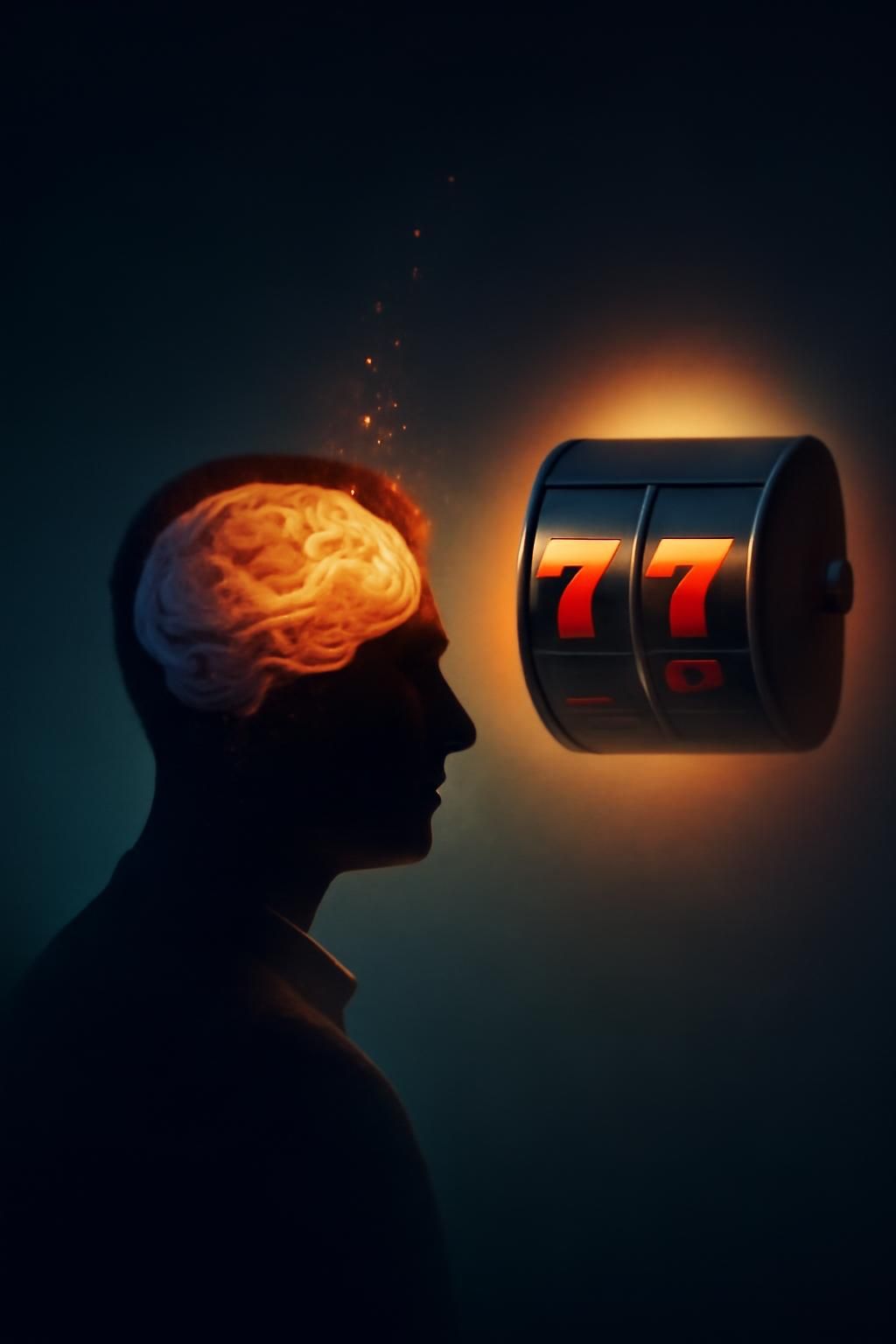
A loss usually gives a clear result: the attempt is over, and the outcome was wrong. A near miss preserves a tempting alternative. The mind can readily picture the tiny change that would have produced success—a symbol one position higher, a shot just inside the goal, a guess that was almost right. That imagined version makes the failure feel unfinished, even when the game has already decided it.
The Brain Supplies a “Next Time” Story
People naturally compare what happened with what might have happened. After a near miss, that comparison can turn into a plan: adjust the timing, try a different move, or simply take one more turn. In games of chance, this is especially misleading. The outcome can look as if it was within reach of the player, even when the result was random and the player’s choices had no influence over it.
A near miss can also feel more engaging than a distant failure. It signals that success is imaginable, which may heighten attention and urge a person to keep participating. But feeling closer to a win is not the same as becoming more likely to win. In a game with independent random outcomes, a previous near miss does not improve the odds of the next attempt.
Why That Can Keep Play Going
Many games deliver wins unpredictably. Because a player cannot know which attempt will pay off, the possibility of a reward remains alive after each loss. A near miss adds a second hook: it invites the player to explain the result as almost-success rather than as evidence that the game is simply taking another turn at random.
That combination can stretch a session. The player is not only waiting for a reward; they may also be trying to correct an imagined mistake that never caused the loss. Recognizing the difference helps restore perspective: a result that looks one step from success can be emotionally persuasive without changing what the next round can produce.