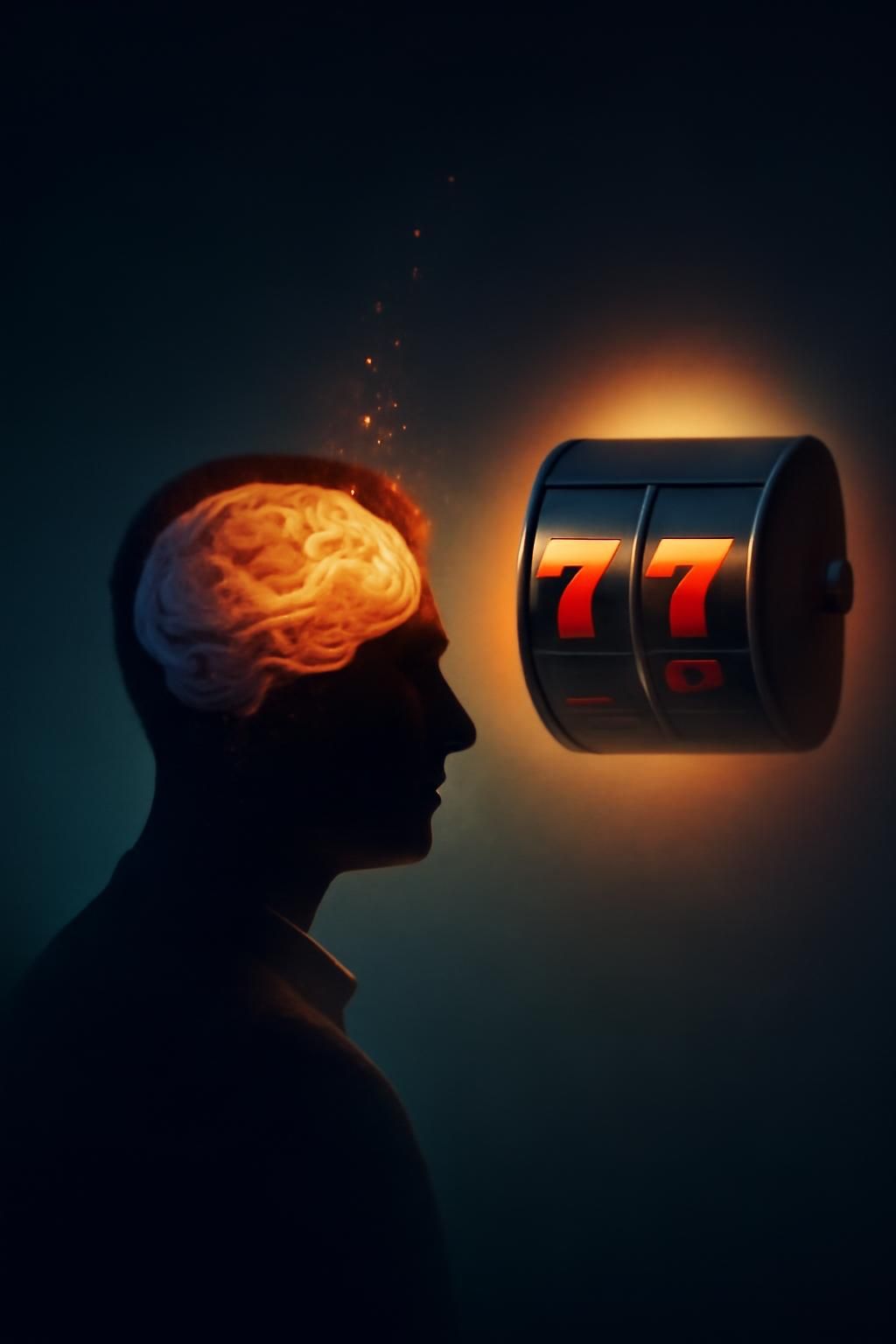
How one slip can turn into a spiral
The “what-the-hell effect” begins when a person treats a lapse as proof that a goal has already been ruined. After eating a cookie while trying to follow a diet, for example, the thought “I’ve blown it” can make the next choice feel irrelevant. If the day is already counted as a failure, eating more may seem to carry no additional cost.
That reaction changes the meaning of the mistake. The cookie itself is a limited event; the all-or-nothing judgment turns it into a verdict on the entire effort. Shame or frustration can then make it harder to pause and choose deliberately, reinforcing the sense that the goal is out of reach.
Turn the lapse into information
Reframing a setback as feedback interrupts that chain. Instead of asking whether the slip proves a lack of willpower, ask what happened just before it: Was the person hungry, stressed, distracted, or facing an unusually tempting situation? The answer does not erase the lapse. It helps identify a circumstance that can be handled differently next time.
This is the difference between judging progress as a perfect streak and treating it as a series of decisions. A missed workout does not require abandoning the next one; eating more than intended does not make the next meal meaningless. A setback is one piece of information, not a ruling on whether the goal can still be reached.
Why the next choice matters
The practical benefit is immediate: a person can return to the plan at the next opportunity rather than waiting for a new day, week, or burst of motivation. That does not mean every setback is harmless, or that reflection alone guarantees success. It means the mistake need not dictate what happens next.
Like a route recalculated after a wrong turn, progress can continue from the place where someone actually is. The cookie may still have been unplanned, but it need not become the reason the whole day changes course.