Why chosen discomfort can feel rewarding
A punishing workout burns, and very spicy food stings. Yet the discomfort can coexist with satisfaction because the brain is responding not only to the sensation, but also to what it means: a challenge you chose, a goal you care about, and evidence that you can keep going.
That distinction matters. Pain or strain imposed without control is often threatening. The same sensation may be easier to tolerate when you expect it, can stop, and believe it serves a purpose. Choice does not make discomfort pleasant by itself; it changes how the experience is interpreted.
The reward of getting through it
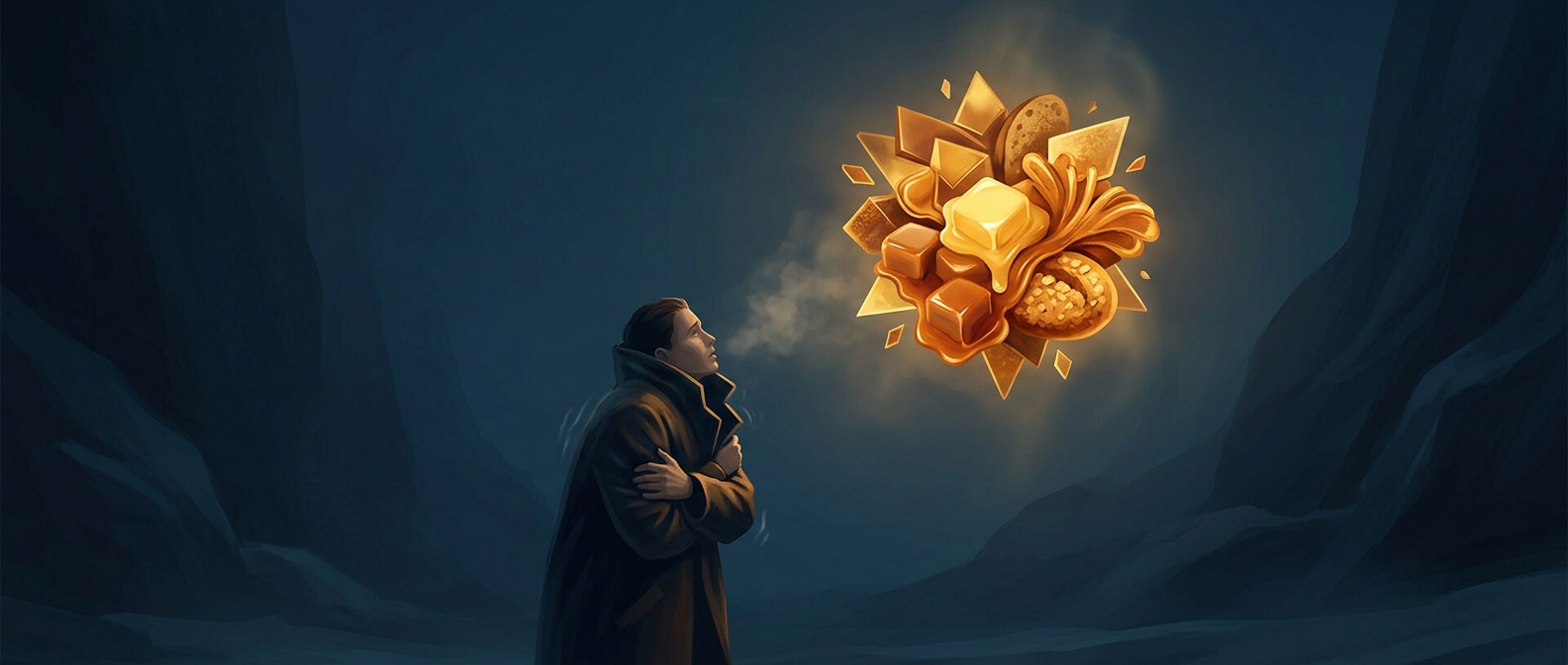
During a difficult effort, attention can shift from “this hurts” to practical questions: Can I finish this set? Can I handle another bite? Meeting a small target creates a sense of progress, while completing the challenge brings relief and a feeling of competence. Anticipation can contribute too: knowing that the effort is leading toward a satisfying meal, a personal best, or simply the end of the task gives the discomfort a place in a larger story.
The contrast is part of the payoff. Once the effort stops, relief can make the finish feel especially good. A hard workout may also leave someone feeling proud—not because the strain was enjoyable moment by moment, but because they chose it and followed through.
When the challenge stops being rewarding
This is sometimes described as masochistic enjoyment, but it does not mean that people necessarily like pain for its own sake. The appeal often depends on limits, control, and meaning. If a person feels trapped, expects harm, or cannot recover, discomfort is less likely to feel like a satisfying challenge.
That helps explain why the same workout can feel empowering one day and miserable another. The body still registers strain; what changes is whether the person experiences it as manageable effort with a meaningful endpoint—or as suffering with no worthwhile payoff.