When the signal fades, the brain may turn up the gain
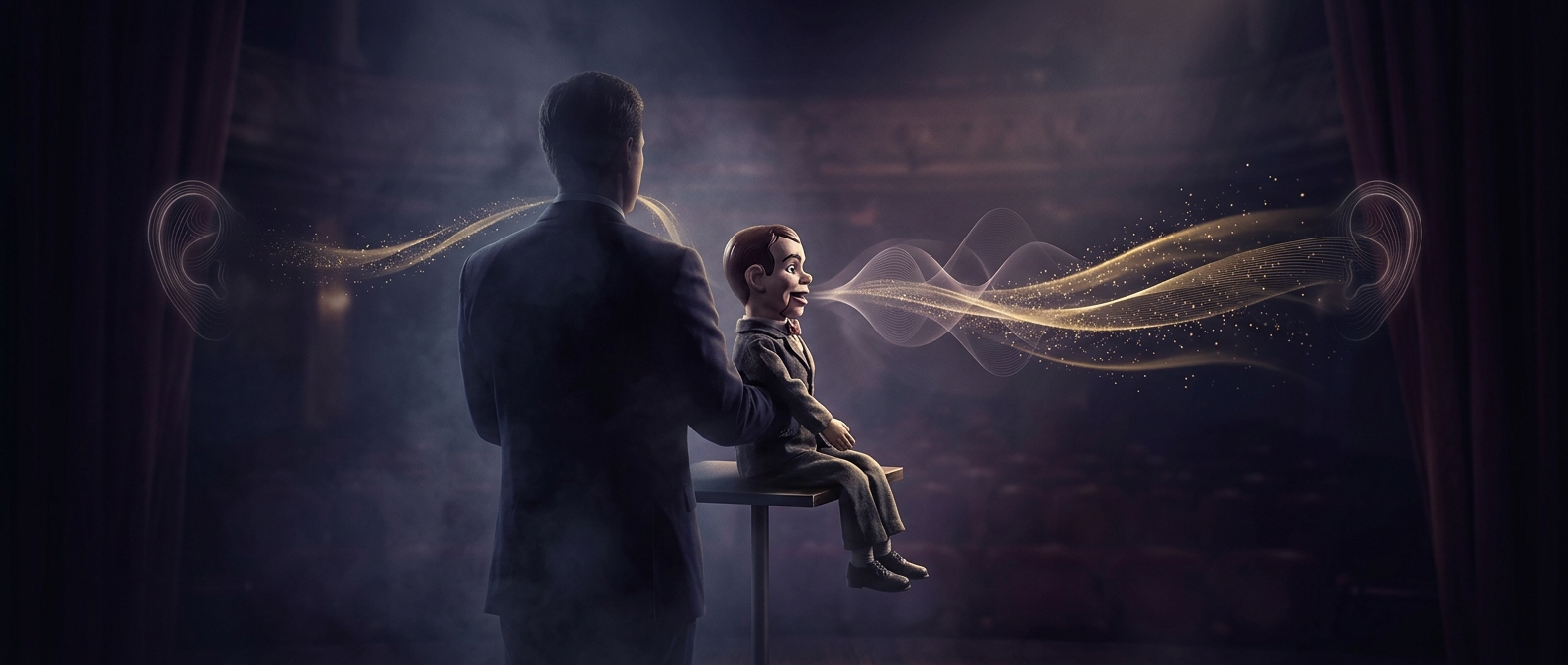
The ear does not send a finished sound to the brain. It converts vibrations into nerve signals, which the brain then sorts and interprets. If noise-related damage weakens some of those signals, parts of the auditory system may respond by increasing their sensitivity—a bit like raising the volume on a quiet recording.
That adjustment can make ordinary neural activity more noticeable. The activity is real, but it is not a ringing sound traveling through the room; the brain may interpret it as sound despite the lack of an outside source. Researchers use “central gain” to describe this kind of increase in responsiveness in the brain’s sound-processing pathways. It is one possible account of tinnitus, not a complete explanation for every case.
Why the noise can become hard to ignore
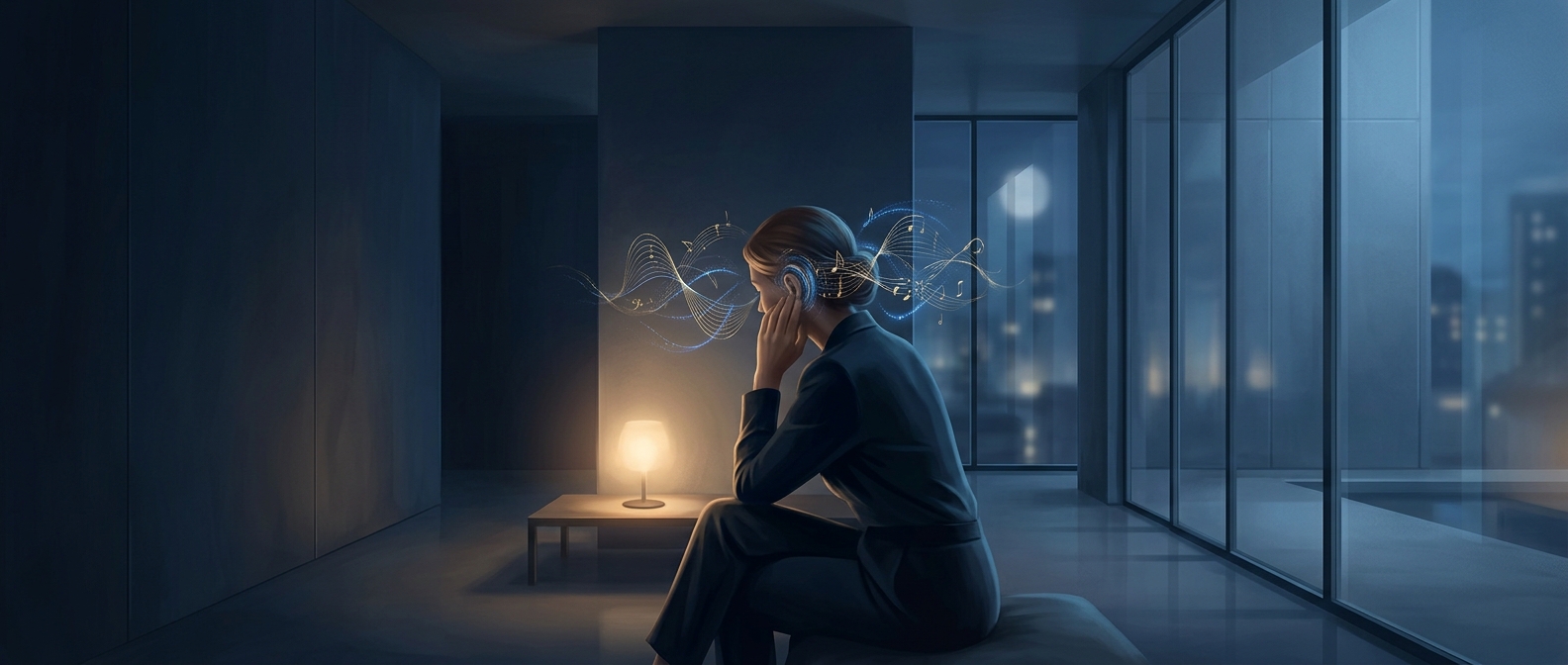
The brain also decides which signals deserve attention. A new or persistent sound-like sensation can stand out, especially when a person checks for it or when the surroundings grow quiet. Attention does not create the sensation out of nothing, but it can make the sensation more prominent in awareness. That helps explain why the same tinnitus may seem less noticeable during an absorbing activity and more obvious at bedtime.
The result is a sound that feels located in the ears or head, even though no external sound is producing it. “From nowhere” describes where the sound seems to come from—not an absence of activity in the auditory system.